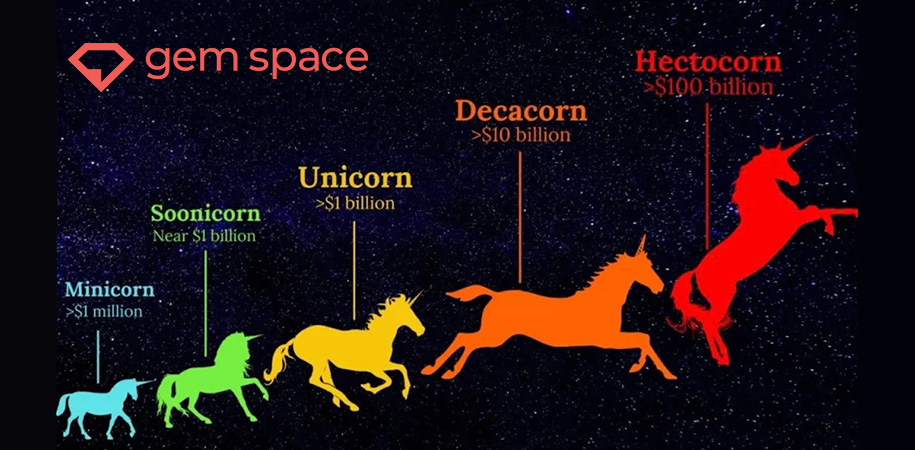
Global Startup Leaders Discuss Sustainability, Mental Health, and the Pursuit of Hypergrowth
For decades, the startup world has celebrated growth above all else. Rapid expansion, soaring valuations, aggressive fundraising rounds, and unicorn status have become the defining symbols of entrepreneurial success. Yet behind many of these success stories lies a more complicated reality—one marked by personal sacrifice, organizational strain, and increasing pressure to deliver relentless growth.
These issues took center stage during a candid founder discussion that brought together leaders behind some of the world’s most successful technology companies. The session explored both the “light side” and “dark side” of innovation, challenging traditional assumptions about what success truly means in the startup ecosystem.
The conversation featured founders and executives from Deel, Darwinbox, LivSpace, Picsart, The Sandbox, Udrive, and venture capital firm Breega, each bringing firsthand experience of building and scaling high-growth companies across multiple markets.
The Attraction of Hypergrowth
The startup ecosystem has long rewarded speed. Venture capital funding, market expectations, and competitive pressures often encourage companies to prioritize rapid expansion over gradual growth.
Many founders acknowledged that hypergrowth can unlock significant opportunities. Scaling quickly allows startups to capture market share, attract world-class talent, strengthen network effects, and establish category leadership before competitors can respond.
For founders operating in technology sectors, speed is often viewed as a necessity rather than a choice. Markets evolve rapidly, customer expectations shift constantly, and technological disruption creates narrow windows of opportunity.
However, participants argued that growth should not become an objective in itself.
When Growth Becomes the Goal
One of the central themes emerging from the discussion was the distinction between sustainable growth and growth pursued solely to increase valuation.
The founders noted that startup ecosystems frequently celebrate fundraising announcements and valuation milestones while paying less attention to profitability, customer value creation, operational resilience, and organizational health.
In recent years, changing economic conditions have forced many companies to rethink this approach. Investors are increasingly demanding stronger fundamentals, clearer business models, and more sustainable paths to profitability.
The discussion highlighted a broader shift across the global technology industry—from “growth at all costs” toward “growth with discipline.”
The Hidden Cost of Building Unicorns
While entrepreneurial success stories often dominate headlines, the panel offered a more honest perspective on the realities behind the scenes.
Building a high-growth company frequently requires extraordinary personal commitment. Founders described periods of intense pressure, long working hours, difficult strategic decisions, and significant emotional stress.
The responsibility of managing employees, investors, customers, and business performance simultaneously can create substantial mental and psychological strain. For many entrepreneurs, success comes with challenges that are rarely visible to outsiders.
Participants emphasized that conversations around founder wellbeing and mental health are becoming increasingly important as startup ecosystems mature.
Leadership Under Pressure
As companies grow from small teams into global organizations, founders face a new challenge: evolving from entrepreneurs into leaders.
The skills required to launch a startup are often different from those needed to manage hundreds or thousands of employees across multiple markets. Successful scaling requires founders to build leadership structures, delegate effectively, and create organizational cultures capable of supporting long-term growth.
Several participants highlighted that one of the most difficult transitions in entrepreneurship is learning to let go of direct control and trust teams to execute at scale.
Leadership, they argued, is not measured solely by revenue growth but by the ability to build resilient organizations that can thrive beyond the founder’s direct involvement.
Culture Matters More Than Ever
The panel also addressed concerns surrounding workplace culture in high-growth environments.
The startup industry has historically glorified relentless work schedules and constant hustle. However, founders increasingly recognize that sustainable performance requires healthier organizational practices.
Companies that fail to address employee wellbeing risk burnout, declining productivity, and talent attrition. In contrast, organizations that prioritize culture, transparency, and employee development are often better positioned for long-term success.
The discussion suggested that future industry leaders will be defined not only by the products they build but also by the cultures they create.
A New Definition of Success
Perhaps the most important takeaway from the session was the evolving definition of entrepreneurial success.
For years, success was largely measured through fundraising rounds, valuations, and market expansion. Today, founders and investors are beginning to place greater emphasis on sustainability, resilience, customer impact, and organizational health.
The next generation of unicorn companies may not be those that grow the fastest, but those that balance ambition with discipline, innovation with responsibility, and performance with wellbeing.
Looking Ahead
As global startup ecosystems continue to mature, conversations like these reflect an important shift in entrepreneurial thinking. Growth remains essential, but increasingly, founders are asking deeper questions about how growth is achieved and whether it can be sustained.
The discussion demonstrated that building a billion-dollar company is not simply a financial challenge—it is a leadership challenge, a cultural challenge, and often a personal challenge.
The future of innovation may ultimately depend on founders who can navigate both the light and dark sides of growth while building companies that create lasting value for employees, customers, investors, and society alike.