
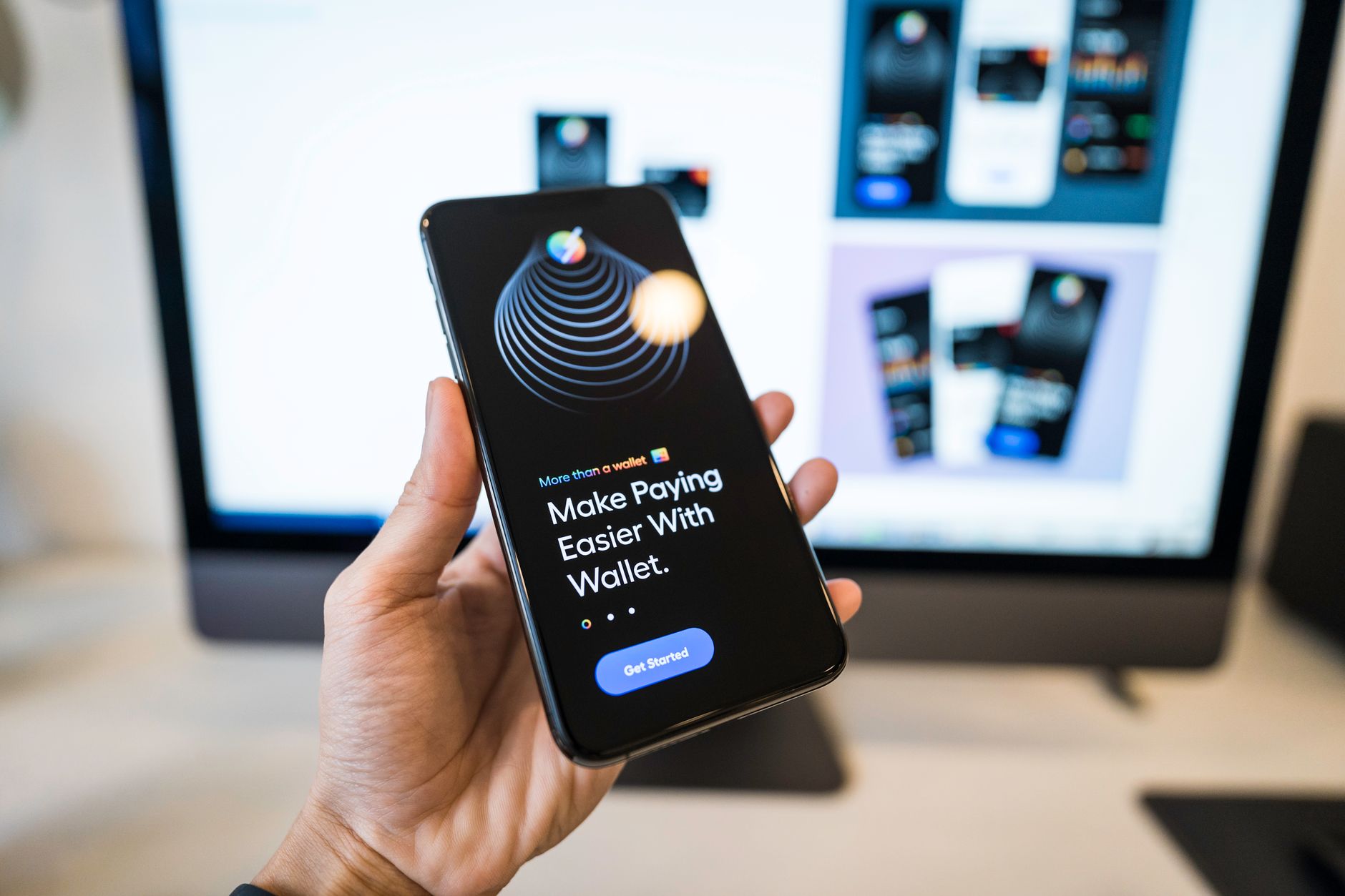
DUBAI — A syndicate of investors from the UAE and Saudi Arabia has led a $10 million funding round into Labby, a Syria-based super app, in what officials are calling the first direct foreign investment in a Syrian technology startup since the country’s economic reopening began. The deal marks a symbolic and practical milestone for a startup ecosystem that has had almost no access to institutional capital for over a decade, and it places Gulf investors at the front of what could become a new frontier market for regional venture capital.
A First-Mover Bet from the Gulf
Labby, founded in 2024 by Mohammad Fawaz, operates a single platform combining ride-hailing, food delivery, e-commerce, digital payments and other on-demand services for Syrian consumers — a model that mirrors the super-app strategies already proven by Careem in the UAE and Talabat across the GCC. The involvement of UAE and Saudi backers in this round is notable less for the size of the check, modest by regional standards, than for the signal it sends: that Gulf capital is willing to underwrite technology risk in a market that Western and Asian investors have largely avoided due to sanctions exposure and geopolitical uncertainty.
For UAE-based venture funds and family offices, the transaction functions as a test case. Dubai and Abu Dhabi have positioned themselves for years as the financial and logistical gateway to the wider Levant and North Africa, and early positioning in Syria’s digital economy — before larger regional or international capital arrives — carries the kind of asymmetric upside that has previously drawn Gulf investors into frontier markets such as Pakistan, Egypt and East Africa. Syria’s population of roughly 23 million, combined with a largely unbanked, underserved consumer base and rebuilding infrastructure, presents a market structure not unlike the one UAE-based super apps exploited in their own early years.
Reconstruction Finance Meets Venture Capital
The Labby round arrives as the UAE has separately been expanding its involvement in Syria’s broader reconstruction effort, including infrastructure, energy and real estate commitments discussed at government level over the past year. The entry of private venture capital alongside that state-level engagement suggests a two-track approach in which sovereign and quasi-sovereign capital handles hard infrastructure while private investors test consumer-facing digital opportunities. This pairing has precedent in how UAE capital previously moved into frontier telecom and fintech markets, where government-to-government relationships often precede — and de-risk — private investment.
For UAE fintech and logistics companies, the development also raises the prospect of new partnership or expansion opportunities. Syrian digital payments infrastructure remains nascent, and Emirati payment processors, logistics operators and last-mile delivery networks with experience compressing the ride-hailing-to-payments stack could find acquisition, licensing or joint-venture openings as Labby scales. Companies such as Network International, which already has payments experience across MENA frontier markets, are natural candidates to watch for follow-on involvement.
What UAE Founders Should Take From This
For Dubai and Abu Dhabi-based founders, Labby’s raise underscores that Gulf investors are increasingly comfortable backing super-app models outside the GCC’s mature markets, provided the founding team can demonstrate local market knowledge and regulatory navigation. UAE accelerators and venture studios that have built playbooks for consumer tech in Saudi Arabia and Egypt may find similar demand emerging around Syria, Iraq and other reconstructing markets in the coming 12 to 24 months.
The transaction is small in absolute terms but outsized in signaling value. If Labby scales successfully, it is likely to be cited by UAE limited partners and venture firms as the opening data point for a broader thesis: that Gulf capital, not Western or Asian funds, will define the first wave of institutional investment into Syria’s digital economy — with Dubai’s fund managers and Abu Dhabi’s sovereign-adjacent investors positioned to capture the early-mover advantage.





