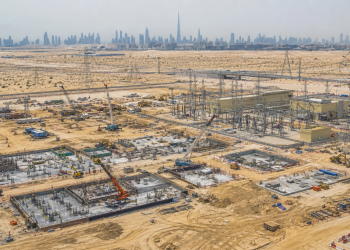
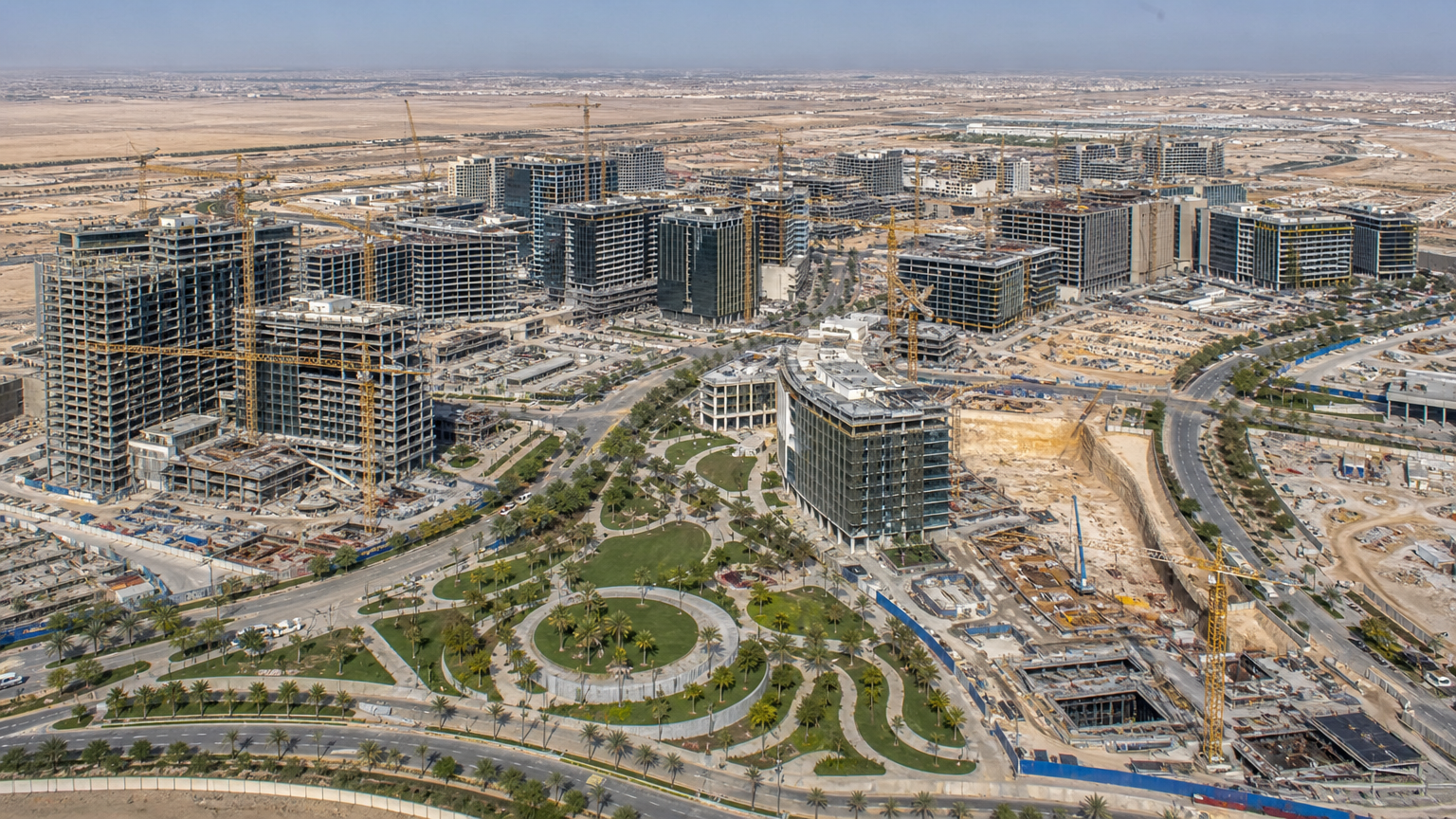
Saudi Arabia’s gigaprojects are no longer just blueprints and construction dust. They are becoming real, working destinations, and that shift is now pulling in serious money. Developers behind Riyadh’s King Salman Park, Diriyah and the Red Sea coast say visible progress on the ground is what’s finally convincing private developers and foreign investors to commit.
The comments came at MEED’s Shaping Mega Projects conference in Riyadh on 28 September, where executives from three of the kingdom’s flagship projects laid out how far things have moved. For GCC investors and businesses watching Saudi Arabia’s giga-project pipeline, the message was simple: the paperwork era is ending, and the delivery era is bringing the deals.
Why “seeing it built” beats any investment pitch
Dale Chadwick, acting chief executive of King Salman Park Foundation, said investor appetite has grown alongside the construction itself. His team has already received 23 expressions of interest from private developers, and he said that number keeps climbing as more of the park takes physical shape.
“As soon as a private developer comes in and sees what we’re doing, they’re blown away,” Chadwick said. “The closer we get to completion, the greater the appetite.” He added that the foundation deliberately times its private asset awards to follow the infrastructure and landscaping work, so investors don’t have to gamble on promises. “They don’t have to take the leap of faith that we are going to execute on our side of the equation,” he said. “They can see it.” Chadwick also revealed that a deal the foundation expects to award soon involves foreign direct investment, a sign that international capital is starting to follow local momentum.
Over at Diriyah, the story is similar but framed differently. Mohamed Saad, president of DevCo at Diriyah Company, said investors are not just chasing returns, they want a genuine partnership with the master developer. “The first thing they’re looking for is partners,” he said, describing master developers as the catalyst that builds infrastructure and anchor assets before private capital steps in. He said Diriyah has deliberately chosen to let its progress speak for itself rather than chase headlines. “People want to see to believe,” Saad said. “We are delivering on the ground, and when people come and visit, they’re pleasantly surprised.”
From “field of dreams” to tourists actually arriving
On the Red Sea coast, the pitch has changed completely because the product now exists. Ben Edwards, group head of cost, commercial and procurement at Red Sea Global, said the operating track record of The Red Sea and Amaala destinations is now the strongest argument the company can make to investors.
“We’ve gone past the field of dreams approach of ‘if you build it, they will come’,” Edwards said. “We’ve built it now. The tourists are coming.” He confirmed the developer is in various stages of negotiation on several joint venture opportunities for future projects. The utilities public-private partnership at The Red Sea is fully operational, and the equivalent setup at Amaala is in final testing, expected to go live before the end of the year.
Flexibility is also part of the appeal. Chadwick said some developers approach King Salman Park wanting more height on their buildings or a different mix of uses, and the foundation has had to adjust its own plans to accommodate that demand. “We ourselves have a plan, but in order to make that more attractive, we have to be prepared to make adjustments as well,” he said. It’s a small but telling detail: master developers are learning to bend around investor preferences rather than expect investors to fit a rigid template.
For anyone tracking innovation news in real estate and urban development across the region, this is a useful signal. Saudi Arabia’s gigaprojects have spent years being judged on ambition and spending alone. Now they’re starting to be judged on occupancy, footfall and completed deals, which is a very different, and arguably more convincing, story for investors weighing where to put their money next.
What to watch next is whether the pace of expressions of interest at King Salman Park keeps rising as more phases open, and whether Red Sea Global’s joint venture talks convert into signed deals. If completed infrastructure keeps doing the selling, expect more foreign capital to follow, according to the developers speaking at the Riyadh conference reported by MEED.