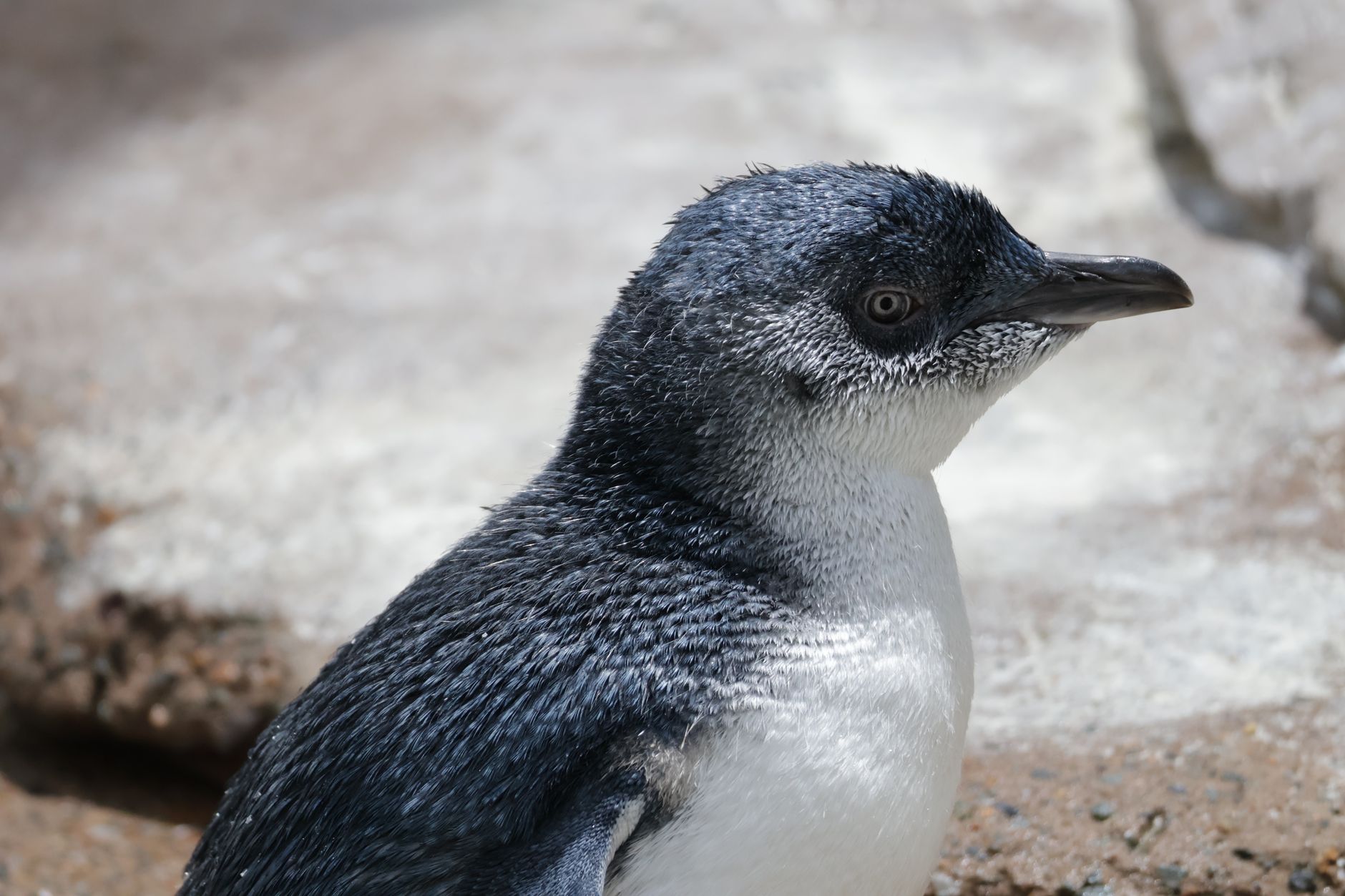
A decades-long campaign to remove foxes from Phillip Island in Australia has helped one of the country’s best-known little-penguin colonies rebound from roughly 12,000 birds to about 40,000, offering conservationists worldwide a rare, well-documented example of predator management reversing a wildlife decline. The turnaround, achieved through sustained culling, exclusion fencing and habitat restoration, is being cited as a model for island ecosystems facing similar pressures from introduced predators.
Little penguins, the world’s smallest penguin species, once nested in ten distinct colonies around Phillip Island, off the coast of Victoria. Foxes, introduced to Australia in the 19th century, proved devastating to ground-nesting seabirds with no natural defenses against a land-based predator, and nine of those ten colonies eventually disappeared as fox numbers grew unchecked. Only one colony survived into the 2000s, and even that population was under sustained pressure from nightly predation on eggs, chicks and nesting adults.
A Sustained Predator Control Effort
Rather than a single intervention, the island’s recovery reflects years of layered management: systematic fox removal programs combined with barrier fencing designed to keep remaining predators away from key breeding grounds during the vulnerable nesting season. Conservation managers paired this predator control with habitat restoration work, rebuilding the coastal vegetation and burrow systems penguins rely on for shelter. The approach required continuous population monitoring across multiple breeding cycles, allowing managers to adjust techniques as fox numbers fluctuated and penguin nesting patterns shifted in response to reduced predation risk.
The scale of the recovery, from a single surviving colony numbering in the low thousands to a population approaching 40,000 birds, has drawn attention from wildlife authorities well beyond Australia. The case was recently detailed in a report by the Times of India, which framed the project as evidence that coordinated, long-term predator management can reverse what once looked like an irreversible ecological collapse.
Lessons for Gulf Conservation Programs
For wildlife authorities in the UAE and wider Gulf region, the Phillip Island case carries practical relevance. Coastal and island ecosystems across the GCC support native seabird colonies and other endemic species that face their own pressures from introduced or opportunistic predators, habitat disruption and human encroachment. The UAE has invested significantly in conservation infrastructure in recent years, from falcon breeding and rehabilitation programs tied to the country’s cultural heritage to protected marine and coastal reserves designed to safeguard nesting seabirds along the Arabian Gulf coastline.
Conservation specialists in the region have increasingly looked to international case studies when designing long-term species recovery plans, particularly those demonstrating measurable population outcomes over extended timeframes rather than short-term interventions. The Phillip Island model, with its combination of predator removal, physical barriers and habitat rebuilding sustained across many breeding seasons, illustrates the kind of patient, data-driven approach that regional wildlife authorities have signaled interest in replicating for vulnerable native species.
The project also underscores a broader theme running through global innovation efforts in environmental management: that combining ecological monitoring, targeted intervention and habitat engineering can produce outcomes that once seemed unlikely, even for species pushed to the brink of local extinction. As Gulf states expand their own biodiversity and rewilding initiatives, the Phillip Island recovery stands as a reference point for what sustained, science-led wildlife management can achieve over time.