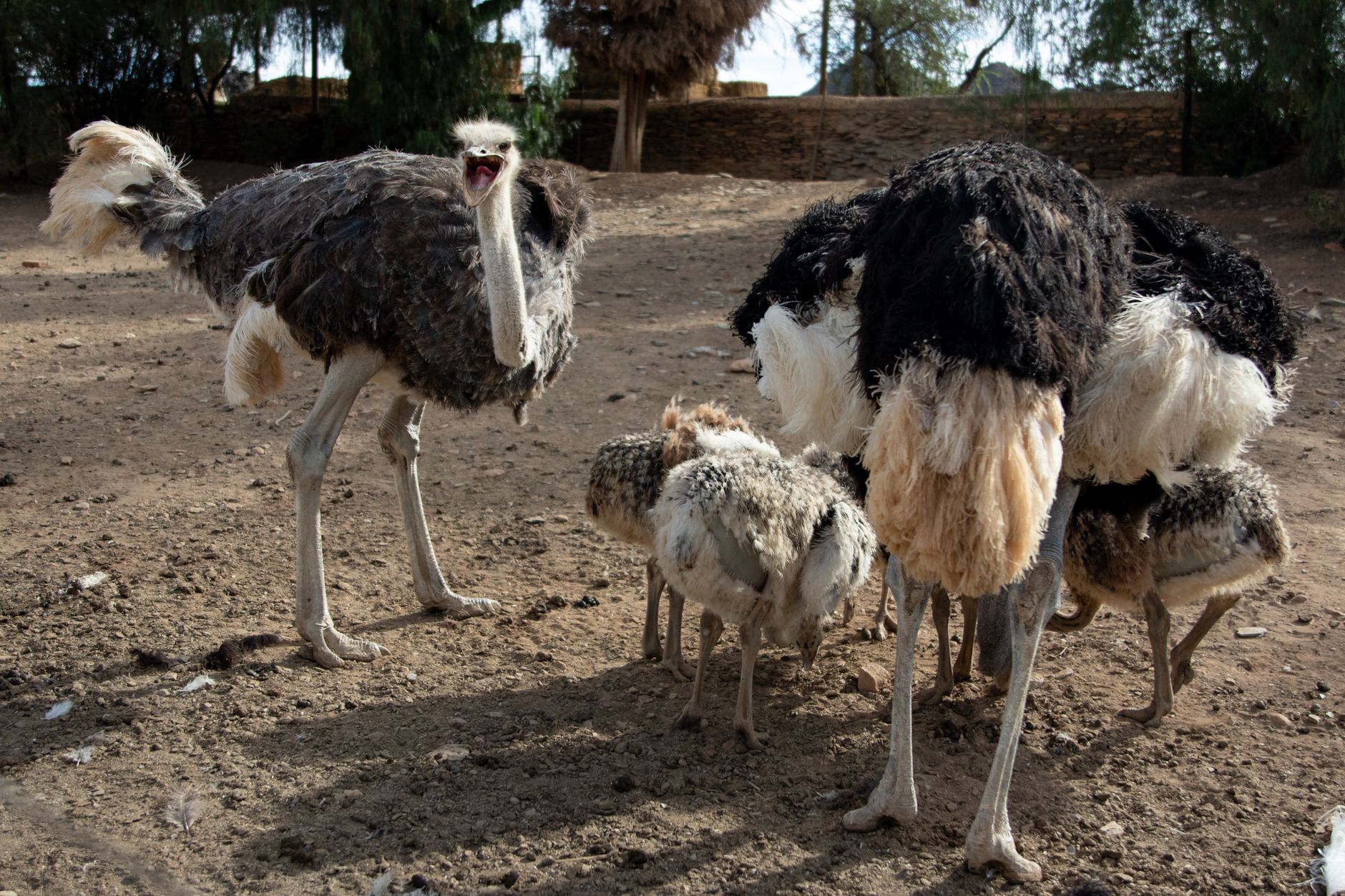
Niger has reintroduced eight North African ostriches into the wild, twenty years after the subspecies vanished from the country’s landscapes. The birds, raised through captive breeding programs, were released into habitats where wild populations were last recorded in 2004, before overhunting and habitat degradation drove them out entirely. Conservationists have described the move as a milestone in efforts to reverse decades of biodiversity loss across the Sahara, where the North African ostrich once ranged widely before disappearing from the wild in several countries, including Algeria and Morocco.
Unlike its southern African relative, the North African ostrich is genetically and physically distinct, and its near-total absence from the wild had made it a symbol of the ecological pressures facing the region’s arid ecosystems. The release, reported first by the Times of India, is being coordinated with international wildlife organizations as part of a broader regional push to restore species that have been pushed to the brink or lost entirely from their historic ranges.
A regional conservation challenge
The reintroduction is not an isolated effort. Across North Africa, wildlife agencies have been working to rebuild populations of species that vanished amid decades of habitat loss, poaching and land-use change. Niger’s program follows a pattern seen elsewhere in the region, where captive breeding and controlled release have become central tools for restoring animals once considered locally extinct.
The success of the Niger project, officials note, will hinge on sustained protection of the release sites and long-term monitoring to guard against the same pressures that eliminated the species in the first place. Without continued habitat safeguards, conservationists warn, newly released populations risk facing the same fate as their predecessors.
The initiative also resonates beyond Niger’s borders, offering a reference point for similar work underway across the Middle East and North Africa. In the UAE, wildlife authorities have invested heavily in restoring indigenous Arabian species, including large-scale programs focused on the Arabian oryx and other desert wildlife that once faced extinction due to hunting and habitat pressure. These efforts, like Niger’s ostrich reintroduction, rely on captive breeding, careful site selection and years of monitoring before wild populations can be considered self-sustaining.
For Gulf audiences, the parallel underscores a shared regional challenge: arid and semi-arid ecosystems across the MENA region have historically supported rich but fragile wildlife populations, many of which collapsed in the twentieth century under similar pressures of overhunting and land conversion. As governments and conservation groups from Niger to the UAE pursue species recovery as part of the wider innovation agenda in environmental science, the Niger ostrich release adds to a growing body of evidence that coordinated breeding programs can, under the right conditions, return lost species to the wild.
Whether the North African ostrich can establish a lasting foothold in Niger will depend on factors well beyond the initial release, including continued political commitment to habitat protection and regional cooperation on anti-poaching enforcement. Conservationists tracking the birds in the coming months are expected to monitor survival rates and breeding behavior as early indicators of the program’s long-term viability.