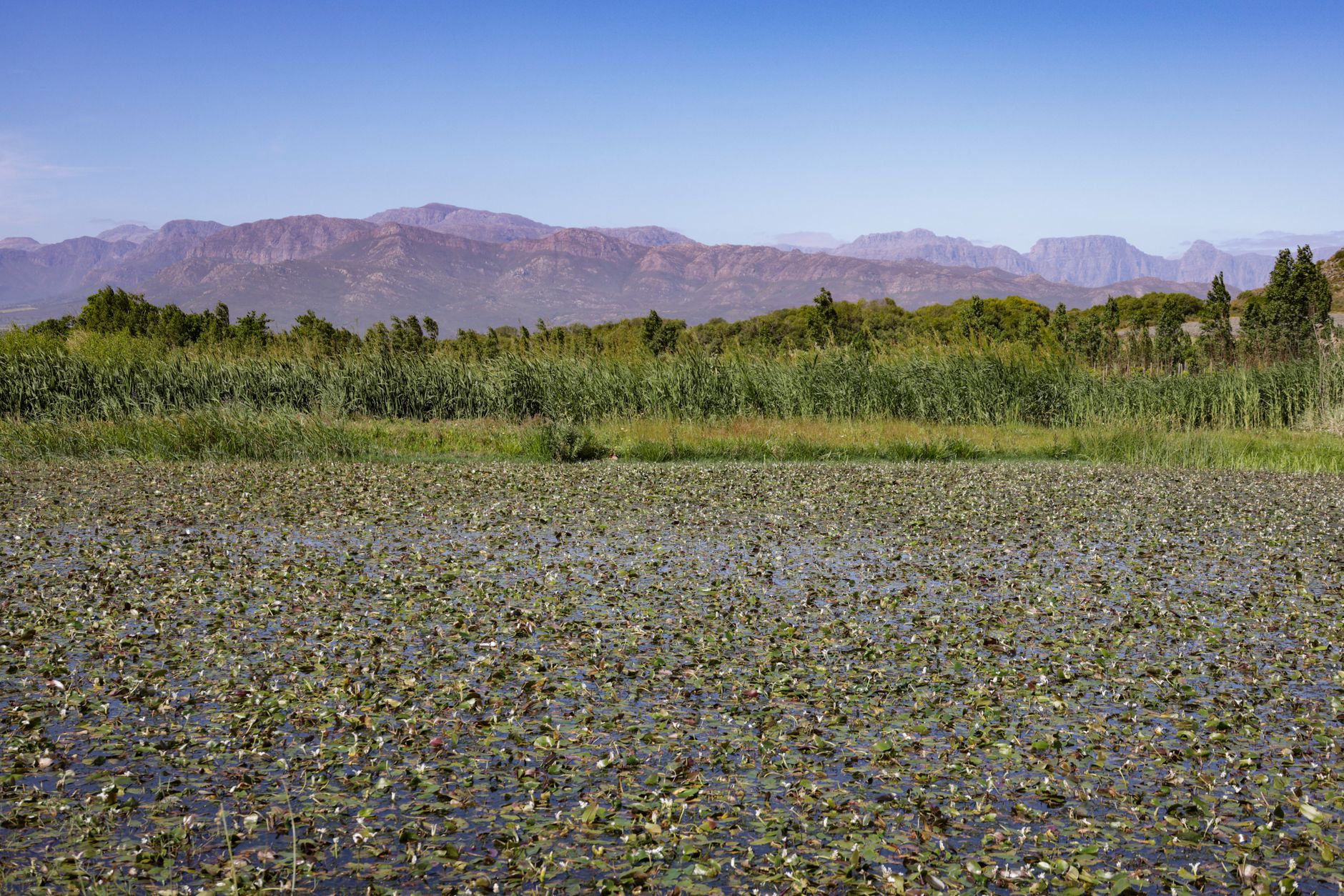
Massachusetts officials have begun converting a decommissioned cranberry farm into restored wetland habitat, completing a long-term project to reconnect a stretch of waterway that has been fragmented for decades. The site, known as Century Bog, straddles the towns of Plymouth and Wareham and once operated as a working cranberry operation. Its transformation marks the final link in a broader effort to restore continuous natural habitat along Red Brook, a waterway that runs from White Island Pond to Buttermilk Bay.
The project involves reshaping land that had been engineered for decades of agricultural use—flattened, channelled and dammed to support cranberry cultivation—back into functioning wetland and stream ecosystems. Engineers and conservation planners are working to restore natural water flow and reintroduce the kind of meandering stream channels and vegetation that once characterized the area before it was converted for farming.
According to a report first detailed by the Times of India, the initiative is designed specifically to protect a rare and ecologically distinctive fish population known as “salter” brook trout. Unlike typical freshwater trout, salters migrate between freshwater rivers and saltwater estuarine environments, relying on unobstructed river corridors to complete their life cycle. Fragmented habitat—caused by dams, altered water channels and agricultural conversion—has made such migration increasingly difficult, putting pressure on the species’ survival.
Broader Conservation Stakes
Officials overseeing the restoration estimate that the project will benefit roughly 60 species considered priorities for conservation, extending well beyond the trout itself. Wetlands of this kind typically support a wide web of plant, insect, bird and aquatic life, meaning that restoring natural water flow and vegetation can have cascading ecological benefits across an entire watershed rather than a single species.
The Century Bog project reflects a wider trend in environmental engineering, where former agricultural or industrial land is being deliberately returned to its natural state rather than repurposed for further development. Such efforts are increasingly documented across the global innovation landscape, as governments and conservation bodies turn to ecological engineering techniques to reverse decades of habitat loss.
Although the project is unfolding thousands of kilometres from the Gulf, its underlying approach carries relevance for the UAE and wider GCC region, where authorities have been placing growing emphasis on coastal and wetland conservation. Mangrove forests, salt marshes and shallow coastal nurseries across the Gulf perform ecological functions similar to those of Red Brook’s estuarine system, serving as breeding and feeding grounds for fish and other marine life. These habitats have faced pressure from industrial development, land reclamation and agricultural expansion in various parts of the region.
As Gulf states continue to invest in mangrove restoration, marine biodiversity programmes and sustainable coastal management as part of broader environmental and economic diversification goals, projects like Massachusetts’ cranberry bog restoration offer a model of how degraded agricultural or industrial land can be systematically returned to productive ecological use. For policymakers and environmental planners in the UAE and GCC, the Red Brook initiative underscores a broader international shift toward treating habitat connectivity—not just isolated conservation sites—as central to protecting vulnerable species and sustaining fisheries for the long term.