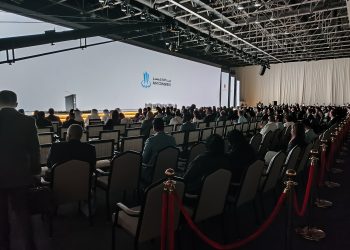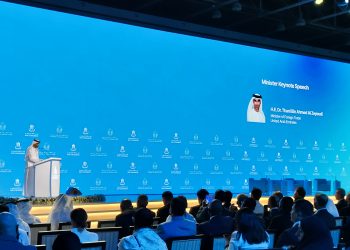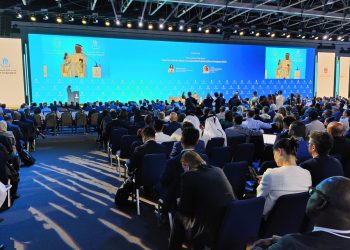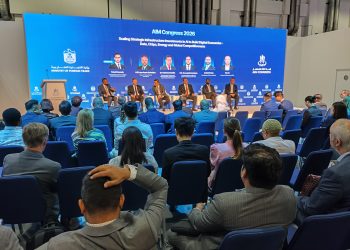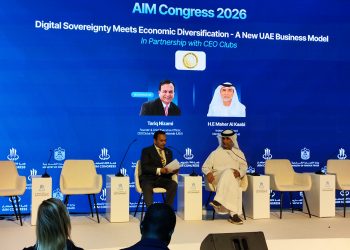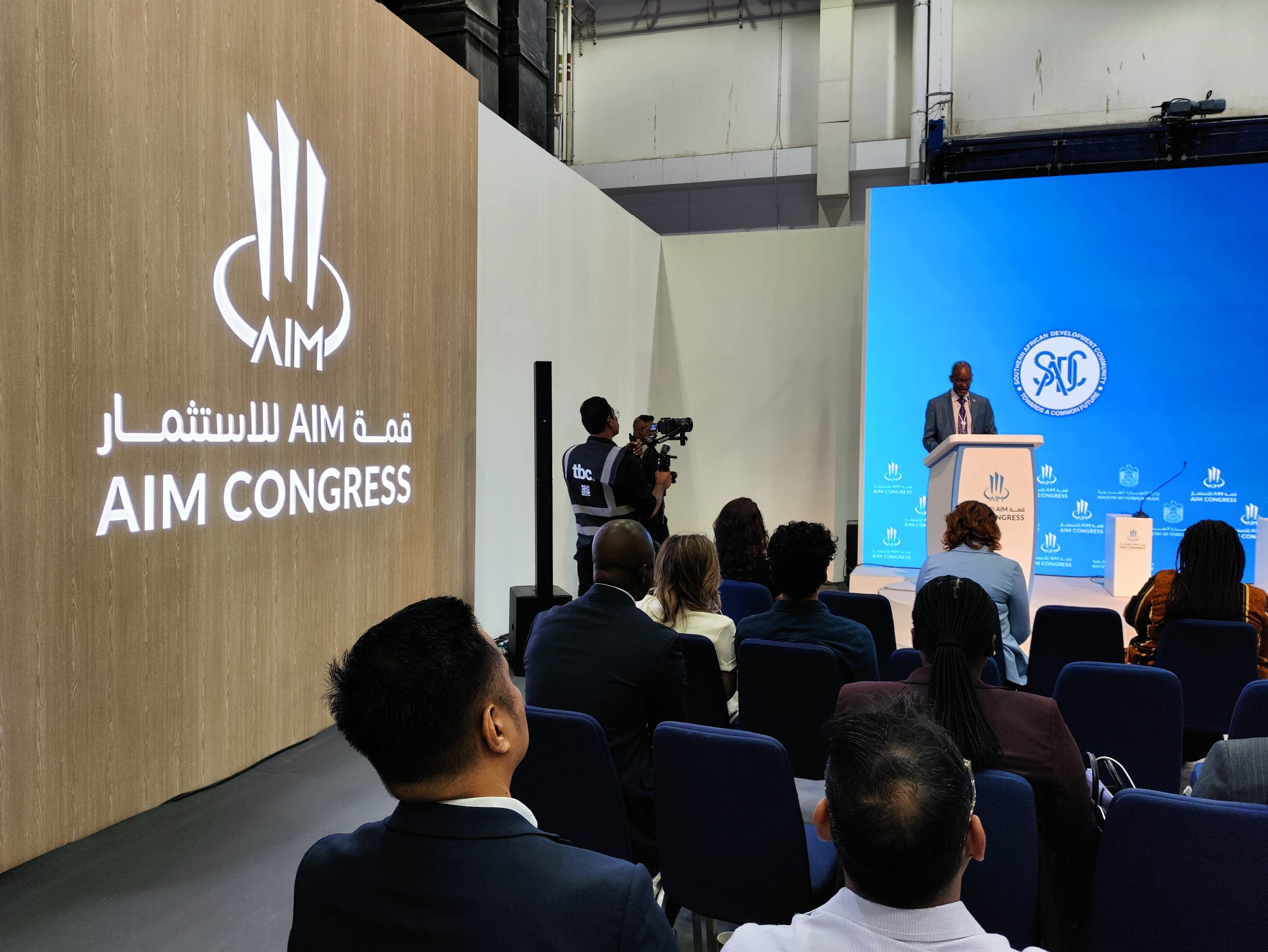
The Africa Stage at AIM Congress 2026 in Dubai opened with a strong focus on the growing economic relationship between Africa and the Gulf Cooperation Council (GCC), bringing together senior representatives from development finance, business and international economic institutions.
The opening ceremony featured remarks from Mayowa Adegoke, Founder of Bridge Media Consulting, alongside senior African and GCC representatives, including H.E. Mr. Abdullah KH Almusaibeeh Almusaibeeh, President of the Arab Bank for Economic Development in Africa (BADEA).
The programme combined keynote presentations, institutional perspectives and a cultural performance, setting the tone for discussions around investment, economic development and stronger Africa-GCC partnerships.
Strengthening Africa-GCC Economic Connections
The Africa Stage reflects the increasing importance of closer economic connections between African economies and the GCC.
Africa represents one of the world’s most significant emerging economic regions, with a young and rapidly growing population, expanding consumer markets, abundant natural resources and considerable opportunities across infrastructure, technology, energy, agriculture and financial services.
At the same time, GCC economies have developed significant financial, logistical and commercial capabilities, creating opportunities for deeper cooperation between the two regions.
The opening ceremony highlighted the potential of bringing these complementary strengths together through investment and long-term partnerships.
Development Finance as a Catalyst for Growth
The participation of BADEA President H.E. Mr. Abdullah KH Almusaibeeh Almusaibeeh added an important development-finance dimension to the opening programme.
BADEA plays a role in supporting economic and social development across African countries, with development finance providing an important mechanism for infrastructure development, private-sector growth and regional economic integration.
Development institutions can help create the conditions for investment by supporting projects that improve connectivity, strengthen productive capacity and expand access to economic opportunities.
For African economies, greater availability of development capital can support projects that contribute to long-term economic resilience while creating opportunities for businesses and investors.
Investment Opportunities Across Africa
Africa’s investment landscape is becoming increasingly diverse.
Infrastructure remains one of the major areas of opportunity, particularly in transportation, logistics, energy, telecommunications and urban development.
Technology is another important growth area. Digital financial services, artificial intelligence, telecommunications and technology-enabled businesses are creating new ways to connect consumers and companies with markets and financial services.
Agriculture and food security also remain strategically important, particularly as African countries seek to develop stronger domestic production capabilities and more efficient regional supply chains.
These sectors provide opportunities for collaboration between African governments, international investors, development institutions and GCC-based companies.
The Role of the GCC
The GCC’s growing engagement with Africa creates opportunities for partnerships extending beyond traditional trade relationships.
Gulf investors and companies have developed experience across logistics, ports, aviation, energy, financial services, real estate, tourism and infrastructure. These capabilities can complement Africa’s growing demand for investment and economic development.
Stronger connectivity between African and Gulf markets can also facilitate trade flows and create new commercial routes linking Africa with the Middle East, Asia and other international markets.
Dubai’s position as a global business and logistics hub makes it a natural platform for these conversations.
Building Sustainable Investment Partnerships
Sustainability is increasingly becoming an important component of investment decisions across global markets.
For Africa, sustainable investment can support infrastructure and industries while addressing long-term requirements around energy, food security, water, transportation and urban development.
For investors, projects that combine commercial potential with measurable economic and social benefits can create opportunities for long-term value creation.
The Africa Stage’s focus on investment and development therefore aligns closely with the broader AIM Congress 2026 theme of “Reshaping Global Prosperity: Unlocking New Investment Pathways Towards a Sustainable and Inclusive Future.”
Connecting Governments, Institutions and Business
One of the key strengths of platforms such as AIM Congress is their ability to bring different parts of the investment ecosystem together.
Government representatives can outline national priorities, financial institutions can discuss capital availability, development organizations can identify areas requiring support, while private-sector participants can explore commercial opportunities.
This type of interaction can help transform broad economic ambitions into practical partnerships and investment projects.
The Africa Stage provides an important platform for these conversations, particularly at a time when investors are increasingly looking beyond traditional markets for new opportunities.
Culture as a Bridge Between Markets
The opening ceremony also featured an artistic performance by Wouter Kellerman, adding a cultural dimension to the economic programme.
Cultural engagement can play an important role in international cooperation by creating connections that extend beyond business and finance.
The inclusion of artistic expression within the Africa Stage opening reinforced the broader idea that stronger economic relationships are also built through people-to-people connections, shared experiences and greater understanding between regions.
Looking Ahead
The Africa Stage opening ceremony at AIM Congress 2026 highlighted the growing potential of Africa-GCC economic cooperation.
With Africa offering significant opportunities across infrastructure, technology, energy, agriculture and emerging industries, and GCC economies providing capital, expertise, connectivity and international market access, the foundations for deeper cooperation are increasingly strong.
The presence of development finance institutions, business leaders and regional representatives demonstrates the importance of creating practical channels through which investment can reach high-potential markets.
As global investment patterns continue to evolve, stronger Africa-GCC partnerships could contribute to new trade routes, investment opportunities and sustainable economic growth.
For Dubai and the UAE, hosting these conversations further strengthens their role as a meeting point between Africa, the Middle East and global capital.