Family offices are increasingly looking beyond traditional investment destinations as emerging markets across the Middle East, Africa and South Asia offer new opportunities in infrastructure, technology, financial services, agriculture and other high-growth sectors.
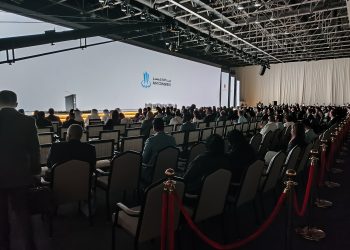
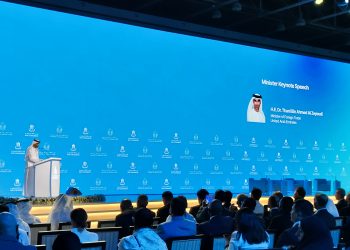
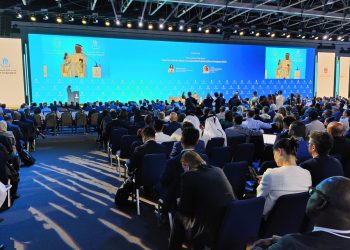
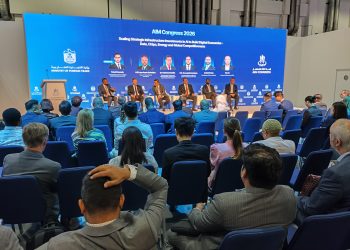
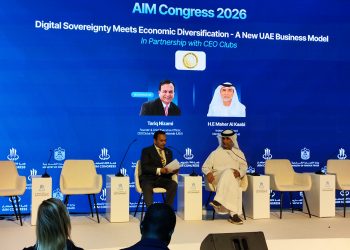
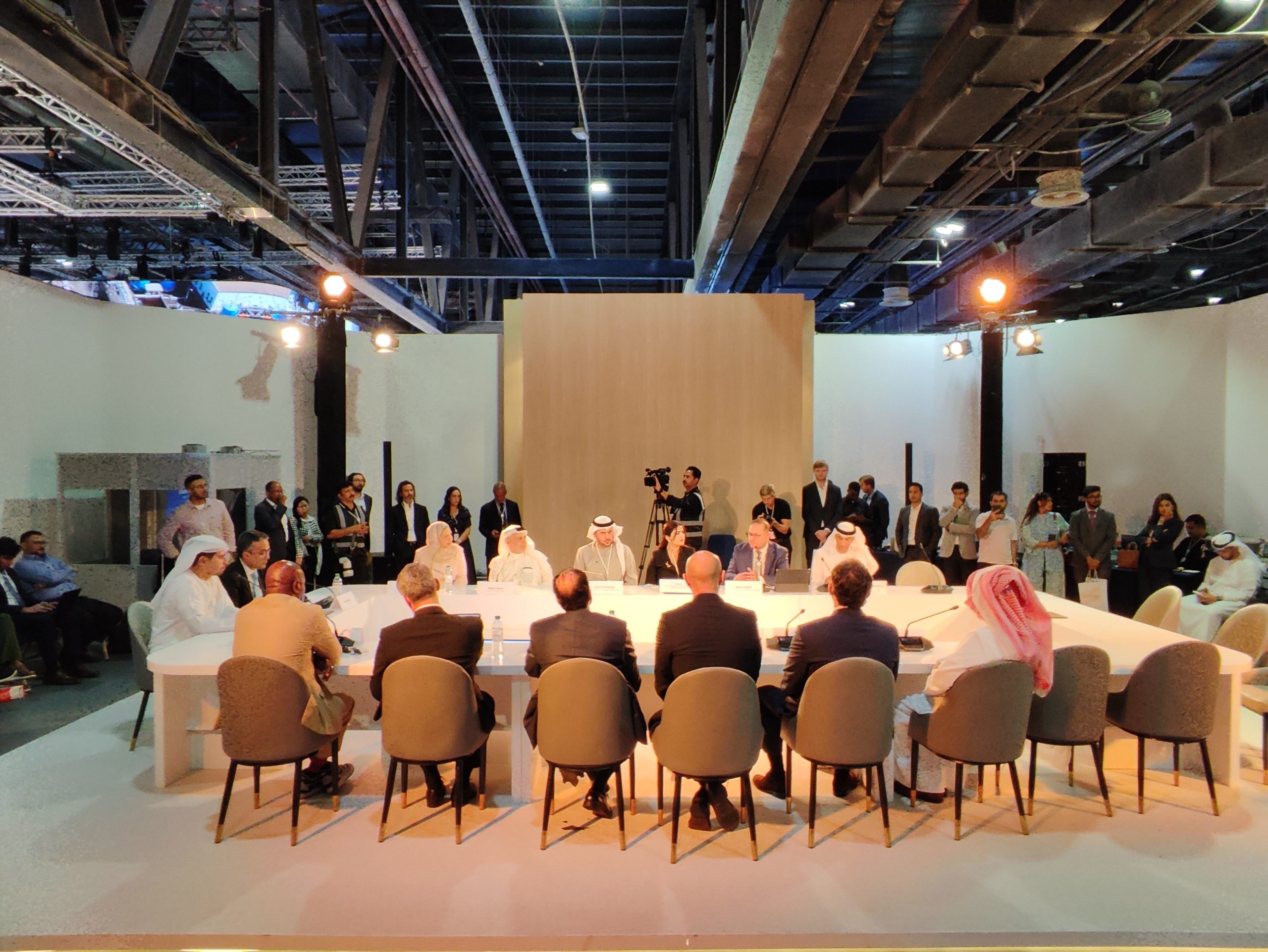
This theme was explored at AIM Congress 2026 in Dubai during the High Level Family Offices’ Roundtable: “The MEASA Gateway: Deploying Capital into Emerging Markets.” The session examined how family offices and private investors can collaborate to deploy patient, long-term capital across the Middle East, Africa and South Asia (MEASA) region.
The roundtable was moderated by Mohit Bhasin, Partner at KPMG, and brought together Ahmad Aboud, CFO of Ghassan Aboud Holding; Walid Loukil, Deputy General Manager & Owner of Loukil Group; Amit Puri, CEO of BCD Global; Dalia Ibrahim, CEO of Nahdet Misr Publishing House; Mishal Hamad Ali Mohamed Kanoo, Chairman of The Kanoo Group; Zaid S. Al Khayyat, Managing Director of Al Khayyat Investments; H.E. Dr. Thani bin Ahmed Al Zeyoudi, UAE Minister of Foreign Trade; Lynnwood Bibbens, CEO of ReachTV; and Aashi Dua, Director at Chintamanis Group and Vice President (Policy) at Naredco NextGen NCR.
Positioning the UAE as a MEASA Gateway
The UAE’s strategic location, financial infrastructure, logistics networks and international business environment make it well positioned to connect investors with opportunities across the MEASA region.
Dubai in particular has developed into a major platform for international capital and business activity, providing investors with access to markets across the Middle East, Africa and South Asia.
For family offices, this creates the potential to use the UAE as a base for identifying opportunities, establishing partnerships and structuring investments across multiple emerging markets.
Family Offices and Long-Term Capital
Family offices have a distinctive role in emerging-market investment because they can often take a longer-term view than investors focused primarily on short investment cycles.

Patient capital can be particularly relevant to infrastructure, agriculture, fintech and digital infrastructure, where projects may require significant investment before reaching full scale.
Long-term investment strategies can also allow family offices to develop deeper relationships with entrepreneurs, governments and local business partners.
The roundtable explored how co-investment structures can bring together family offices, sovereign investors, private capital and strategic businesses to pursue opportunities that may be difficult to execute through individual investments.
Emerging Opportunities Across MEASA
The MEASA region contains a diverse range of investment opportunities.
Across Africa, infrastructure, fintech, agritech and natural-resource-related industries are among the areas attracting growing attention.
The Middle East continues to develop opportunities across energy, logistics, technology, manufacturing and digital economies, while South Asia offers expanding consumer markets, technology ecosystems and infrastructure requirements.
Together, these markets create a broad investment landscape for investors seeking diversification and exposure to long-term economic growth.
Agriculture, Fintech and Digital Infrastructure
The roundtable identified three particularly important areas: sustainable agriculture, fintech and digital infrastructure.
Agriculture remains strategically important as populations grow and food security becomes increasingly significant. Investment in technology, supply chains, irrigation, logistics and modern farming systems can help improve productivity and strengthen food systems.
Fintech is transforming access to financial services across emerging markets, particularly where traditional banking infrastructure has historically been limited. Digital payments, financial platforms and technology-enabled financial services can support greater economic participation.
Digital infrastructure provides another major opportunity. Connectivity, cloud services, data infrastructure and digital platforms are becoming essential to modern economies and businesses.
Building Co-Investment Partnerships
Cross-border investment can become more effective when investors work through structured partnerships.
Family offices can collaborate with other private investors, sovereign funds, strategic companies and development institutions through joint ventures, co-investment vehicles and public-private partnerships.
Such structures can combine different forms of capital, expertise and market knowledge.
They can also help investors access local relationships and operational capabilities that are particularly valuable when entering unfamiliar markets.
Managing Emerging-Market Risks
The discussion also recognised the importance of disciplined risk management.
Investments across different countries require careful consideration of regulatory environments, currency exposure, political developments, ownership structures, licensing requirements and local market conditions.
Effective due diligence and appropriate legal and financial structures can help investors understand these factors before committing capital.
Insurance, guarantees and other credit-enhancement mechanisms can provide additional tools for managing certain investment risks.
The objective is not to eliminate risk, but to understand it properly and develop structures capable of supporting long-term investment.
Technology Transforming Deal Sourcing
Technology is also changing how investors identify opportunities.
AI-driven deal sourcing and data analysis can help investors process larger amounts of market information, identify potential businesses and evaluate emerging sectors more efficiently.
Combined with human expertise, local relationships and traditional due diligence, these technologies can strengthen the investment process.
For family offices managing increasingly global portfolios, technology can provide additional tools for discovering opportunities across multiple markets.
Creating Sustainable Investment Ecosystems
A strong investment environment depends on more than available capital.
Investment promotion agencies, chambers of commerce, business networks and family-office communities can help connect investors with projects and local partners.
Building these ecosystems can create a continuous pipeline of investment opportunities while strengthening relationships between capital providers and businesses.
The UAE’s position as an international business hub provides an important platform for developing these connections.
Capital and Opportunity Across the Global South
The discussion at AIM Congress 2026 reflected a broader shift in global investment towards stronger South–South economic cooperation.
As capital, technology and business expertise increasingly move between the GCC, Africa, South Asia, China and Southeast Asia, new investment corridors are emerging.
For family offices, these corridors offer opportunities to diversify portfolios while participating in economies with significant infrastructure, technology and consumer-market potential.
The UAE’s Role in the Next Investment Cycle
The MEASA Gateway concept places the UAE at the centre of an increasingly interconnected investment landscape.
With its financial institutions, logistics infrastructure, international connectivity and business ecosystem, the country is well positioned to facilitate cross-border investment between established pools of capital and emerging markets.
For family offices, the opportunity extends beyond individual transactions. It is about developing long-term partnerships, building diversified investment pipelines and participating in sectors capable of generating economic and social value.
As emerging markets continue to expand and global value chains evolve, the combination of patient capital, strategic partnerships, technology and regional connectivity could create a powerful foundation for the next generation of cross-border investment.
Listen to the entire conversation below in two parts
Part 1:
Part 2: