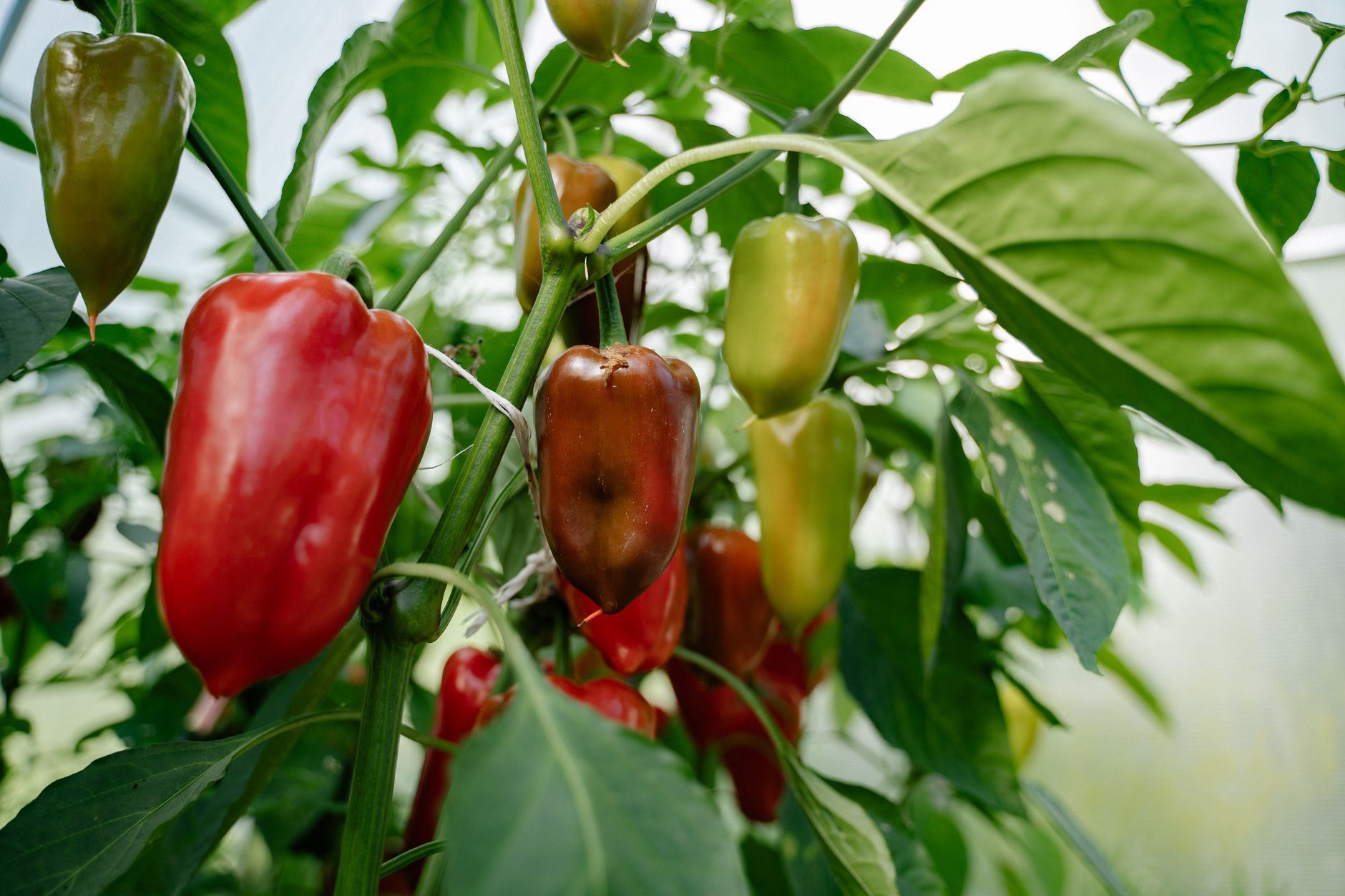
NASA scientists successfully grew Hatch chile peppers aboard the International Space Station in 2021, marking the first time a fruiting crop has been cultivated in microgravity. The experiment, part of NASA’s ongoing Veggie space farming programme, yielded 26 peppers over a 137-day growing cycle, a milestone that researchers say represents a significant step toward sustaining crews on long-duration missions.
Unlike leafy greens and other simple crops previously grown on the station, chile peppers presented a far greater challenge for cultivation in space. Fruiting plants require pollination, a longer growth period, and more complex environmental controls than the lettuce and herbs NASA had grown in earlier experiments. Successfully producing a mature, edible fruit crop under these conditions demonstrated that more nutritionally complex food sources can be raised entirely off-planet.
The experiment forms part of a broader effort by NASA to determine whether astronauts can supplement pre-packaged rations with fresh, homegrown produce during missions that last months or, eventually, years. As space agencies look toward extended stays on the Moon and eventual crewed missions to Mars, the ability to grow fresh food in orbit is considered a critical requirement rather than a novelty. Long-duration spaceflight places significant strain on food systems, and fresh produce offers nutritional and psychological benefits that shelf-stable rations cannot fully replicate.
Microgravity’s effect on plant growth
Beyond the successful harvest, the experiment produced valuable scientific data on how plants adapt to conditions radically different from Earth. Researchers observed that the space-grown peppers developed distinct differences in stem structure compared to genetically identical plants grown on the ground, along with variations in the time taken to reach maturity. These findings are helping scientists understand how microgravity, altered light cycles, and enclosed growing environments influence plant physiology at a structural level.
Astronauts aboard the station were able to harvest and eat the peppers fresh, providing direct feedback on taste and quality that fed back into NASA’s efforts to refine crop selection and growing techniques for future missions. The practical test of taste and texture is seen as an important complement to the biological data, since food acceptability affects crew morale and dietary compliance during extended missions.
While the chile pepper experiment was a US-led initiative, its implications extend to other nations building out their own space exploration ambitions, including in the Gulf. The UAE has steadily expanded its space programme in recent years, from the Hope probe’s Mars mission to plans for lunar exploration and astronaut training, and has increasingly framed food security and agricultural innovation as strategic priorities given the region’s arid climate and reliance on imports.
Advances in controlled-environment agriculture developed for space applications, such as optimising plant growth in enclosed, resource-limited systems, have direct parallels to vertical farming and desert agriculture research already underway in the UAE and across the GCC. As Gulf states invest in both space science and food security technology, findings from experiments such as NASA’s orbital pepper harvest may inform research partnerships aimed at growing crops in extreme or resource-constrained environments, whether in orbit or in the region’s own harsh terrestrial conditions.