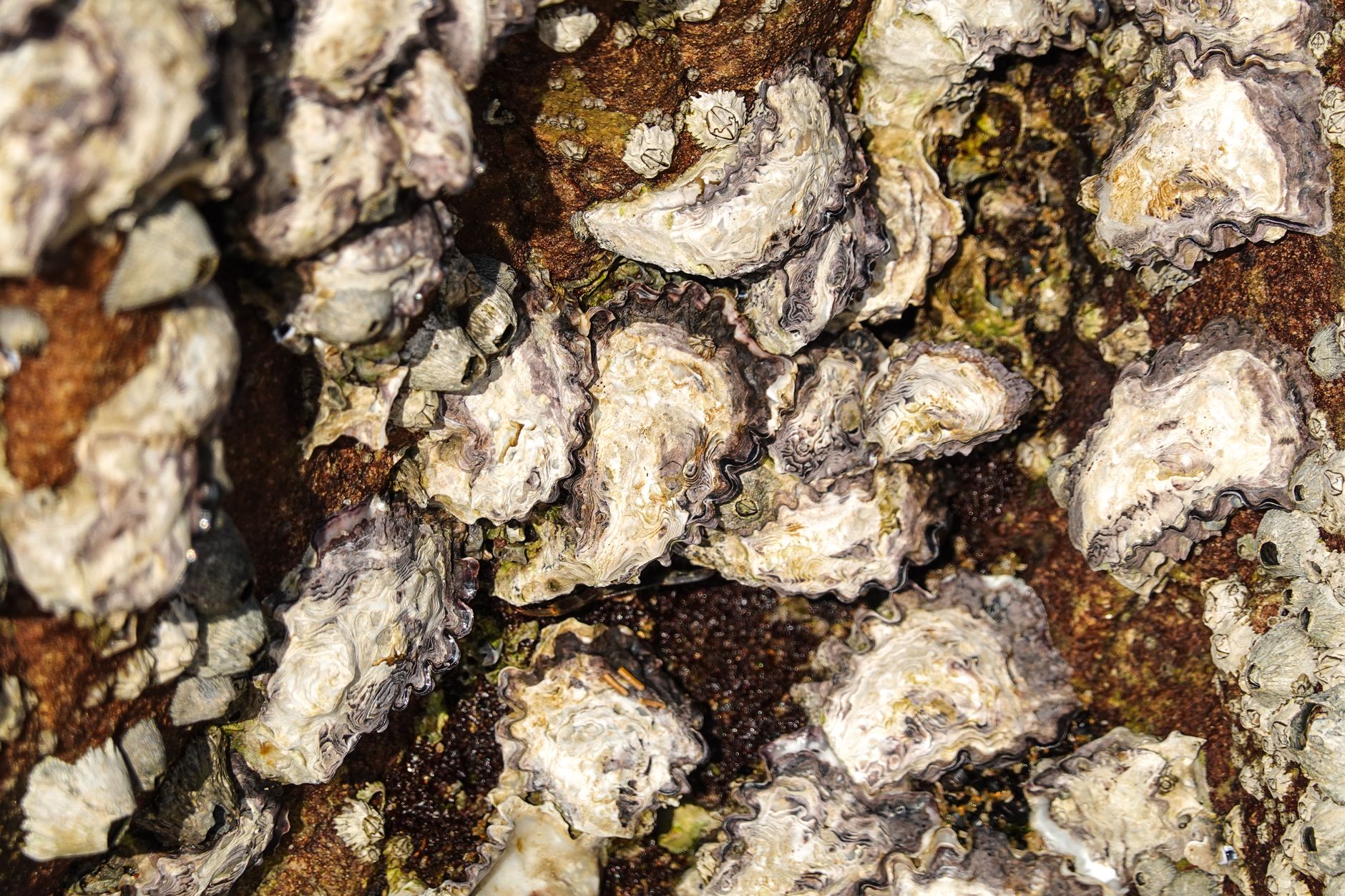
Scientists studying restored oyster reefs in Florida’s Indian River Lagoon have found that marine life began returning to the rebuilt habitats far faster than expected, with species diversity matching that of long-established natural reefs within just 12 months. The findings, drawn from monitoring of newly constructed reef structures in the lagoon, offer fresh evidence that targeted marine restoration efforts can produce measurable ecological gains within a relatively short window, rather than the years or decades often assumed necessary for damaged coastal ecosystems to heal.
The Indian River Lagoon, a sprawling estuary system along Florida’s Atlantic coast, has faced significant oyster population declines due to pollution, habitat degradation and other stressors common to coastal waterways worldwide. Oyster reefs serve a critical ecological function, filtering water, stabilizing shorelines and providing structural habitat for a wide range of marine species. Their loss has cascading effects across estuarine food webs, making restoration projects like this one closely watched by marine researchers and coastal managers alike.
According to the research, first reported by the Florida oyster reef restoration helped marine life return within 18 months, while species diversity rebounded within a year, the broader invertebrate community took somewhat longer—around 18 months—to reach population levels comparable to those found on mature, undisturbed reefs. That distinction points to a layered recovery process: newly built reef structures can quickly attract a variety of species, but building up the actual numbers of individual organisms within those populations takes additional time as the physical reef matures and oyster density increases.
What the Data Shows About Reef Health
Among the clearest signals of ecological recovery documented in the study was a marked increase in flatback mud crab populations on the restored reefs. Researchers linked this surge directly to improvements in the physical structure of the rebuilt reefs, suggesting that as oyster density and reef complexity increased, the habitat became more suitable for species that rely on that structure for shelter and foraging. The pattern reinforces a broader principle in restoration science: the physical rebuilding of a habitat and the ecological recovery of the species that depend on it are tightly interlinked, with structural gains often serving as a leading indicator of biological ones.
The Florida findings arrive at a moment when restoration ecology is increasingly viewed through the lens of technology and applied science, an area that intersects with the sort of environmental innovation being tracked across sectors from renewable energy to sustainable infrastructure. Techniques for rebuilding degraded marine habitats—ranging from engineered reef substrates to targeted species reintroduction—are being refined globally as coastal communities grapple with the twin pressures of pollution and climate-linked habitat loss.
While the study centers on a U.S. estuary, its implications extend to coastal and marine management more broadly, including regions such as the Arabian Gulf, where marine ecosystems face comparable pressures from development, salinity fluctuations and warming waters. Gulf states have in recent years pursued their own coral and marine habitat rehabilitation initiatives, and restoration science of the kind demonstrated in Florida could inform how such projects are designed and evaluated, particularly around setting realistic timelines for ecological recovery. For now, the Indian River Lagoon results stand as a data point suggesting that, given the right structural interventions, damaged marine habitats can begin rebounding meaningfully within a matter of months rather than years.