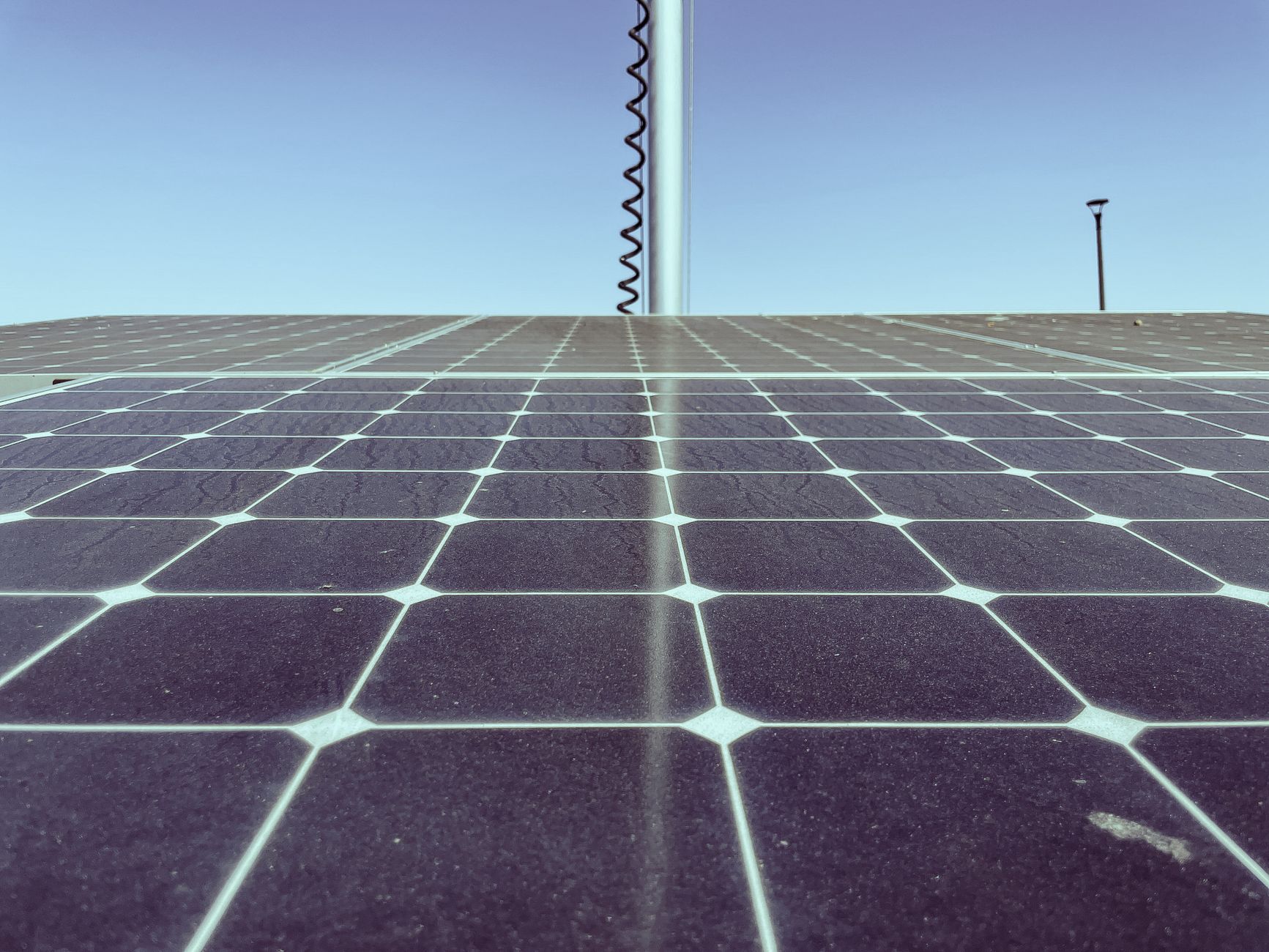
A new funding opportunity has opened for local governments and community organizations seeking to advance clean energy technology projects, according to a report by CleanTechnica. The initiative, described as an Energy Technology Innovation Partnership Project, is designed to help municipalities and regional bodies move forward with locally driven energy goals by connecting them with technical and financial support for emerging clean energy solutions.
While full programmatic details, including the administering organization, funding amounts, and application deadlines, were not specified in the available material, the initiative appears to be structured as a call for applications aimed at entities working to accelerate the adoption of energy technologies at the community or municipal level. Such partnership models typically pair local governments with technical experts, research institutions, or federal agencies to help identify, plan, and implement clean energy projects that might otherwise face resource or expertise constraints.
Programs of this kind are commonly aimed at supporting a range of energy technology priorities, including renewable energy deployment, grid modernization, energy efficiency upgrades, and storage solutions, though the specific focus areas for this particular partnership project were not detailed in the source material. Interested applicants are generally expected to demonstrate how proposed projects align with existing local or regional energy planning goals.
Relevance for Global Clean Energy Strategy Watchers
Although the program appears to be oriented toward local governments in the United States, where CleanTechnica primarily covers clean energy policy and technology developments, initiatives of this nature carry broader significance for policymakers and industry observers tracking how governments structure support for community-level energy transitions.
For the UAE and wider Gulf region, where national strategies such as the UAE Energy Strategy 2050 and various emirate-level sustainability plans emphasize diversifying energy sources and integrating advanced technologies, partnership-based funding models offer a point of comparison. Gulf policymakers and energy planners have increasingly looked to international frameworks that pair public funding with technical partnerships as a way to de-risk early-stage clean energy technology adoption, particularly at the municipal or utility level.
The UAE has positioned itself as a regional hub for clean energy investment and innovation, hosting COP28 in 2023 and continuing to expand renewable energy capacity through projects such as large-scale solar developments in Abu Dhabi and Dubai. Regional utilities and government entities have also shown interest in technology partnership models that bring together public agencies, private developers, and research institutions to pilot new energy solutions before wider rollout.
While this particular Energy Technology Innovation Partnership Project does not appear to include a stated Gulf eligibility component based on available information, its structure reflects a broader global trend of governments encouraging local-level innovation through structured partnership and application processes rather than relying solely on top-down mandates. Analysts who track clean energy financing mechanisms often point to such programs as templates that other regions, including Gulf states pursuing decentralized energy initiatives, could adapt to their own regulatory and funding environments.
For now, the opportunity remains centered on supporting local energy technology efforts within its originating jurisdiction. Organizations and government bodies interested in the specifics of eligibility, funding scope, and submission requirements would need to consult the original program announcement directly, as further granular details were not included in the initial reporting on the initiative.
As global attention on energy transition financing continues to grow, partnership-driven models like this one are likely to remain a reference point in discussions about how best to bridge the gap between national clean energy ambitions and practical, community-level implementation.