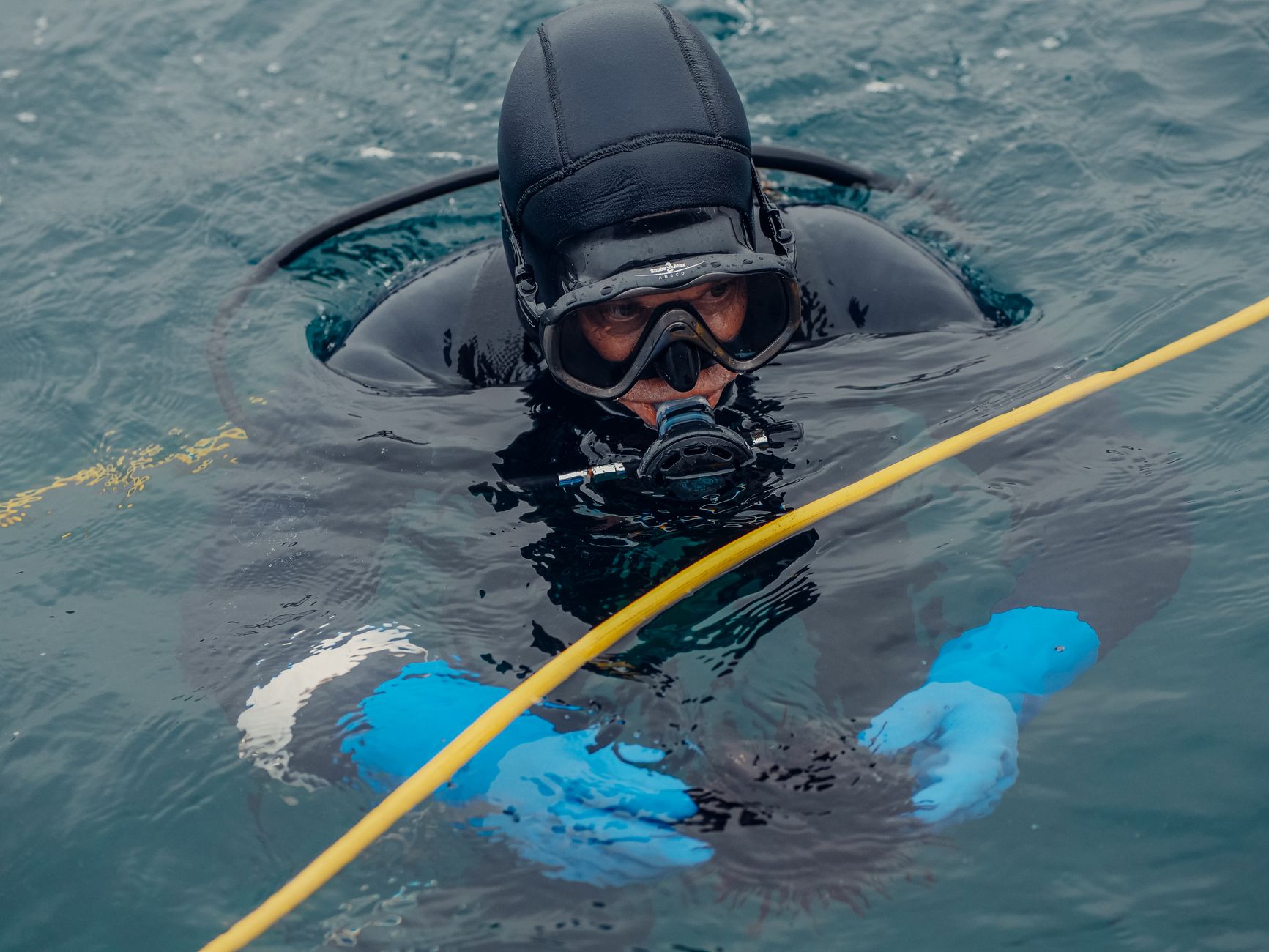
An industry consortium dedicated to advancing undersea technology has marked ten years of operation, according to a report published by The Maritime Executive. The milestone reflects a decade of collaborative work among organizations focused on developing and refining technologies used beneath the ocean surface, an area of engineering that underpins global offshore energy, telecommunications and maritime infrastructure.
Undersea technology consortiums of this kind typically bring together companies, research institutions and government-linked bodies to pool expertise on challenges such as subsea inspection, autonomous underwater vehicles, sensor networks and cable and pipeline monitoring. While the specific innovations, member organizations and milestones celebrated by this particular group were not detailed in available reporting, the anniversary itself underscores the growing importance of coordinated, cross-industry research in a domain that is becoming increasingly critical to global infrastructure resilience.
Subsea systems form the backbone of much of the world’s data and energy transmission. Undersea cables carry the vast majority of international internet traffic, while subsea pipelines and platforms remain central to offshore oil and gas production. As demand grows for more resilient and efficient underwater infrastructure, consortiums that unite technical expertise across sectors have taken on a larger role in setting standards, sharing research and accelerating the deployment of new tools and materials.
Why Gulf Stakeholders Are Watching the Undersea Sector
Although the consortium’s activities and membership were not specified in the available reporting, the broader trend it represents carries relevance for the UAE and wider Gulf region. Gulf states have made significant investments in offshore energy infrastructure, submarine data cables and port and maritime technology as part of efforts to diversify economies and strengthen digital and energy connectivity with global markets.
The UAE, in particular, has positioned itself as a regional hub for maritime innovation, hosting offshore oil and gas operations, expanding subsea cable landing points that connect the Gulf to Europe, Asia and Africa, and investing in port technology through operators active across multiple continents. Saudi Arabia and Qatar have likewise pursued offshore infrastructure projects tied to energy production and export, while regional telecom operators continue to expand undersea cable networks to support growing data demand.
International consortiums focused on undersea technology often influence the standards, safety practices and innovation pipelines that offshore operators and infrastructure planners in the Gulf eventually adopt. Advances in autonomous underwater inspection, corrosion-resistant materials, and remote monitoring systems developed through such collaborative bodies can filter into regional projects, whether through direct partnerships, technology licensing, or the adoption of best practices by companies operating in Gulf waters.
As the consortium marks its first decade, the anniversary serves as a reminder of how specialized, collaborative research bodies contribute to the broader ecosystem of subsea engineering that supports global trade, energy and communications. For Gulf economies increasingly reliant on secure offshore infrastructure and expanding digital connectivity, developments in undersea technology, even those originating in international research consortiums, carry practical implications for how regional projects are designed, maintained and safeguarded in the years ahead.
Further details on the consortium’s specific achievements, member organizations and future initiatives were not available at the time of reporting.