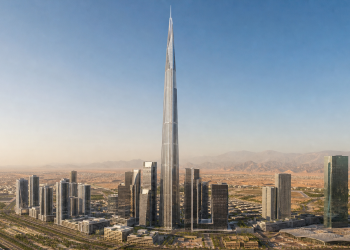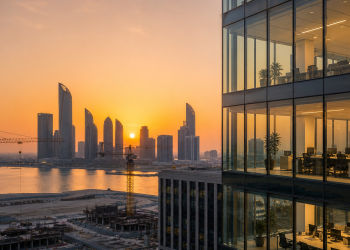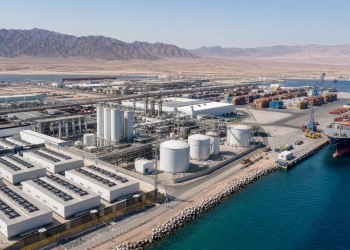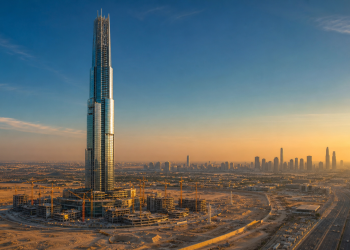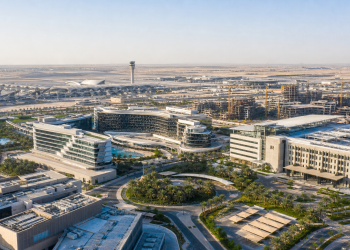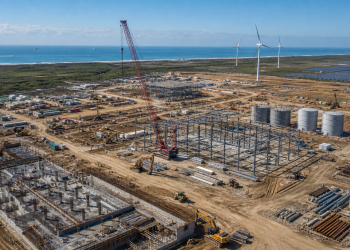
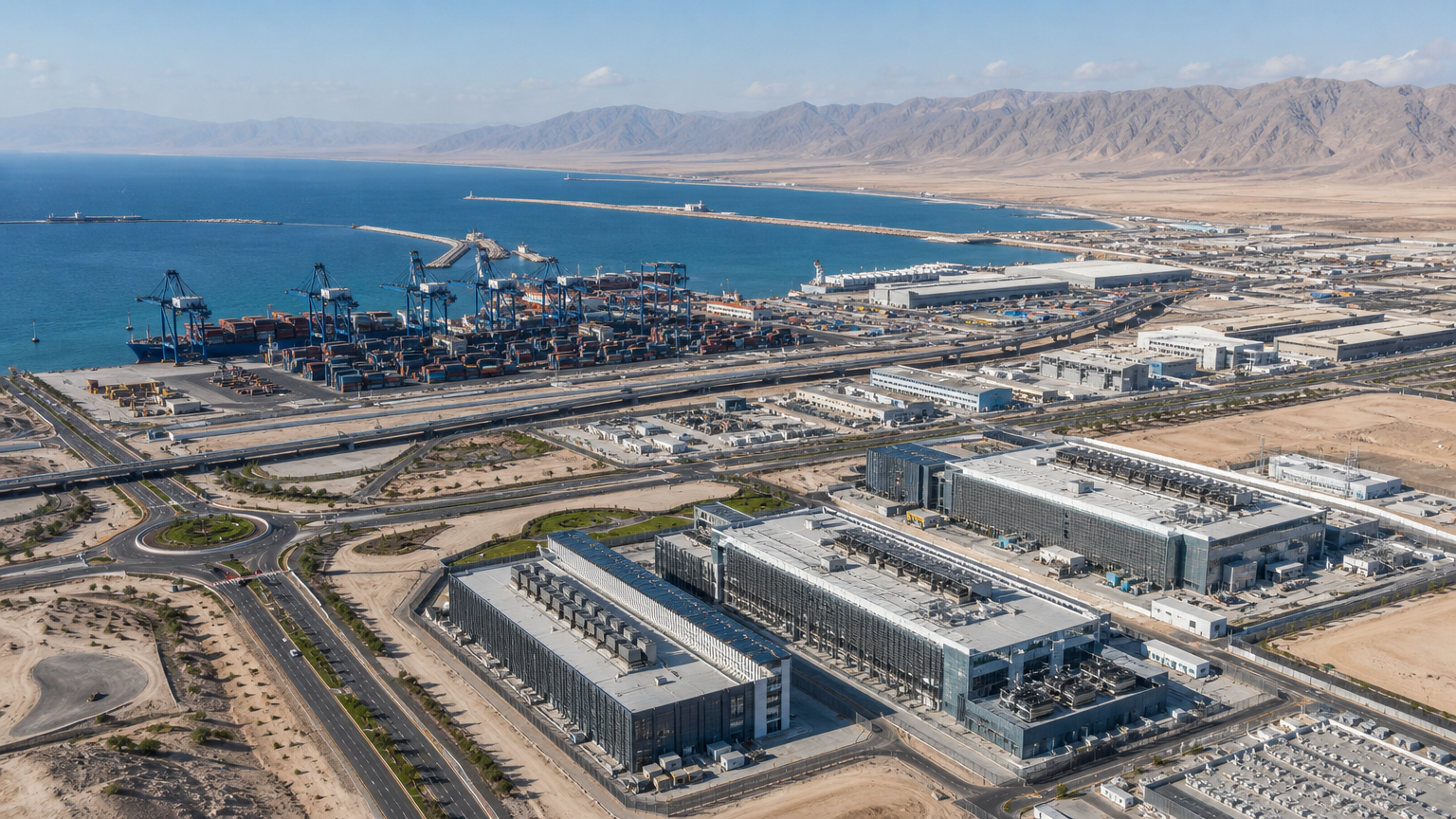
Neom just gave the world a reason to rethink the gigaproject. Saudi Arabia’s $500bn futuristic city is pivoting hard towards things that actually make money, starting with its first fully completed development, Oxagon.
If you have been following the headlines about cancellations and budget cuts at Neom, this is the twist nobody saw coming. According to the October 2026 MEED Business Review, Oxagon is moving to the centre of Neom’s strategy. And the projects getting the green light now are the ones with real, near-term commercial upside: green hydrogen, ports, AI data centres and logistics infrastructure.
Why Saudi Arabia’s giga-bet is quietly turning practical
For years, Neom was pitched as a line in the desert and a symbol of ambition. Now it looks like the focus is shifting towards projects that can generate revenue sooner rather than later. Oxagon, built as an industrial and port hub, fits that bill perfectly.
Think about it from an investor’s point of view. Green hydrogen plants, shipping and logistics hubs, and AI data centres are not just flashy ideas. They are sectors with global demand right now, from energy exporters to tech firms scrambling for computing power. That makes Oxagon a more bankable bet than some of Neom’s more conceptual components.
This matters for the UAE and wider GCC because it signals where regional mega-projects are heading next. Governments across the Gulf are competing for the same pools of global capital, and investors are increasingly rewarding projects that promise tangible returns over purely aspirational ones. If Saudi Arabia’s approach with Oxagon pays off, expect similar recalibrations elsewhere in the region’s innovation news pipeline, especially around data centres and green energy.
Saudi Arabia’s project market is holding steady despite the noise
Here is the part that might surprise sceptics. Despite regional conflict and economic uncertainty, Saudi Arabia’s contract awards have already hit $68bn in 2026. That is not a small number, and it spans energy, infrastructure, power and what MEED calls the “future economy”.
So while some corners of Neom have faced cutbacks and cancellations, the kingdom’s broader project market is proving resilient. That resilience is worth noting if you are a contractor, supplier or investor eyeing opportunities in Saudi Arabia. It suggests money is still moving, just with sharper priorities attached.
For GCC businesses and entrepreneurs watching from Dubai, Abu Dhabi or Doha, this is a signal worth paying attention to. Saudi Arabia remains one of the biggest construction and infrastructure markets in the region, and its pivot towards commercially viable projects like ports and data centres could open doors for regional contractors, tech firms and logistics players looking to plug into that supply chain.
It also reflects a wider trend across the Gulf, where governments are under pressure to show that giant, headline-grabbing projects can eventually stand on their own financially, not just rely on state backing forever. Oxagon becoming Neom’s flagship success story, rather than the city’s futuristic core, tells you a lot about where the smart money is flowing in 2026.
The details on exactly how big Oxagon’s AI data centre and green hydrogen components will be have not been spelled out yet, based on what is available so far. But the direction of travel is clear enough: commercial returns first, grand vision second. Keep an eye on how this plays out, because it could reshape expectations for other giga-projects across the GCC, as reported by MEED.