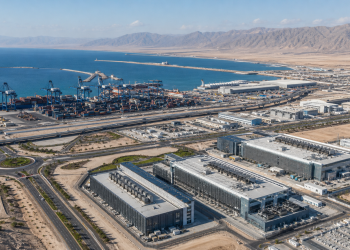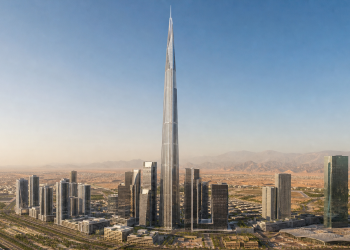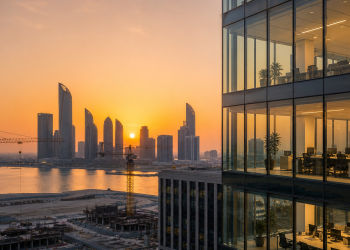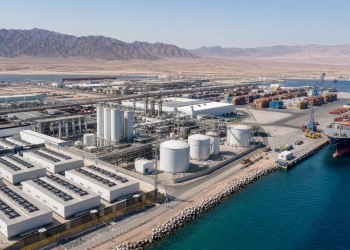
Saudi Arabia’s biggest giga-projects are quietly switching gears. After years of cranes, concrete and construction crews, places like Diriyah, King Salman Park and The Red Sea destination are now opening hotels, schools, airports and even hospitals. For anyone watching Saudi real estate or thinking about doing business there, this shift matters because it signals the kingdom is moving from promises to actual, livable, workable places.
Why Saudi Arabia’s giga-projects are switching from builders to operators
Top executives from three of the kingdom’s flagship developments say the same thing: construction is slowing down, and running day-to-day operations is speeding up. That means the services sector behind these projects needs to grow fast, and grow now.
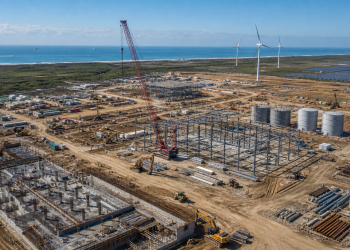
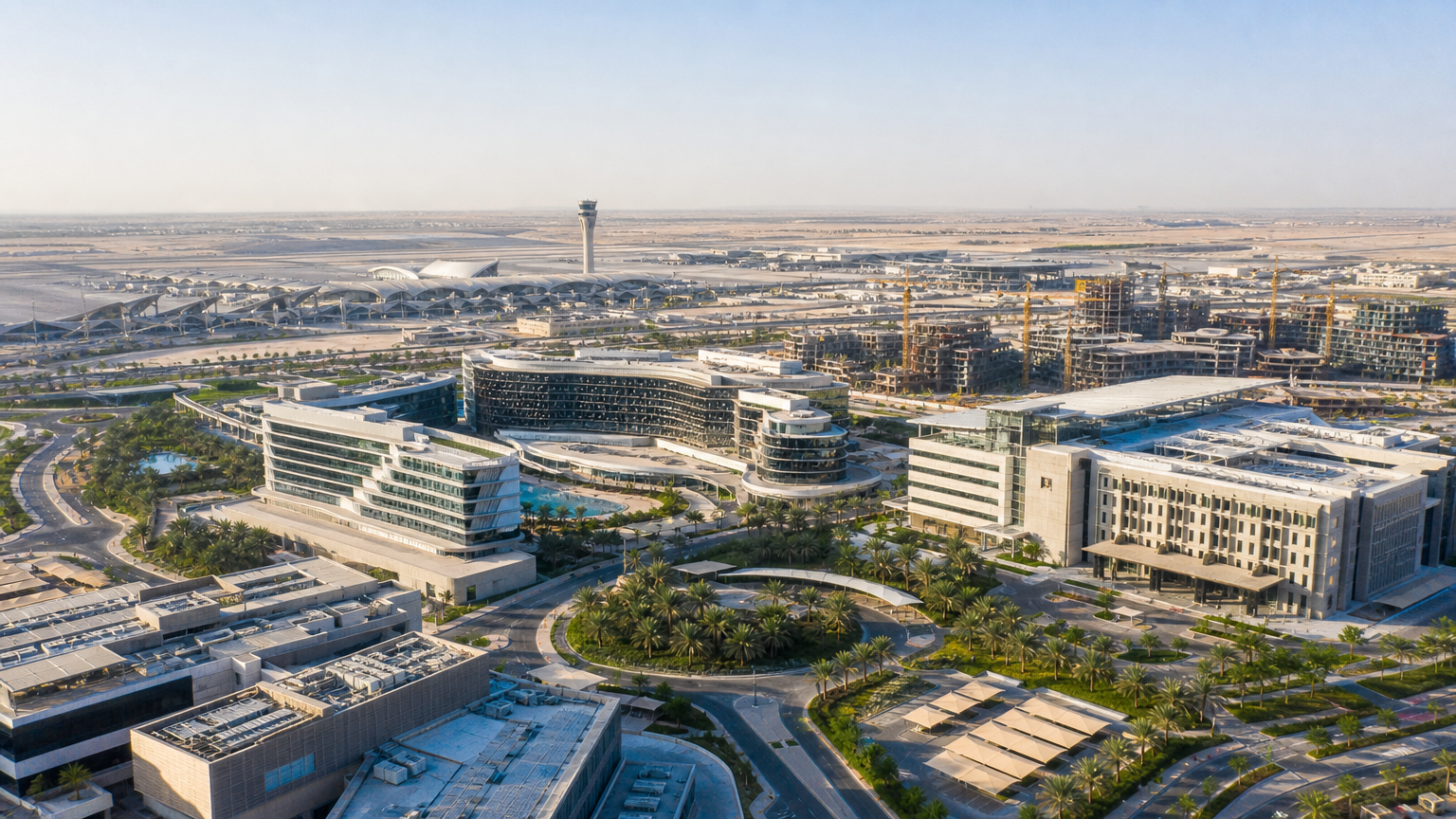
Red Sea Global is the furthest along. Ben Edwards, the group’s head of cost, commercial and procurement, said phase one of The Red Sea destination is almost finished. More hotels on Shura Island are set to open before the end of the year. The airport, utilities and a school are already running. A hospital opened just last week.
That’s a big deal. It shows the project has gone past the “under construction” phase and into the phase where real guests, real staff and real patients are using the facilities every single day.
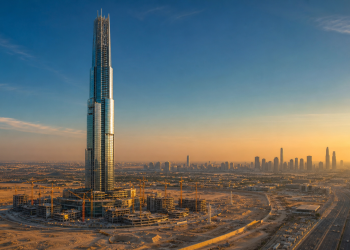
Diriyah is also pushing ahead, but it’s doing something trickier: opening finished assets while the construction site is still very much alive. About 74,000 workers are still on the ground there every day. Mohamed Saad, president of Diriyah Company’s development arm DevCo, said the developer has awarded roughly SR130bn ($34.7bn) worth of contracts so far. That’s a huge number, and it tells you how much work is still flowing through the pipeline even as parts of the destination start welcoming visitors.
So you’ve got two different stories happening side by side. Red Sea Global is closer to a “finished product” with hotels, an airport and a hospital all running. Diriyah is still deep in build mode, but it’s already opening doors to the public at the same time.
What this means for jobs, suppliers and the UAE/GCC business crowd
Here’s the part that should grab attention across the UAE and wider GCC: when a project moves from construction to operations, it needs a completely different kind of workforce. You don’t need the same army of builders and engineers. You need hotel managers, hospital staff, airport ground crews, facilities teams, maintenance contractors and school administrators.
That’s why the executives behind these projects are warning that the services sector has to expand quickly. If the pipeline of trained staff, suppliers and operators doesn’t keep up, these shiny new assets could end up underused or poorly run, even after billions of dollars have been poured into building them.
For businesses across the Gulf, this is an opening. Companies in hospitality management, facilities services, healthcare operations, education and logistics could find real opportunities supplying or staffing these projects as they come online. It’s the kind of shift that often gets less attention than the glossy construction headlines, but it’s where a lot of the actual day-to-day economic activity and job creation happens.
There’s also a lesson here for anyone tracking innovation news across the region. Saudi Arabia isn’t just building big; it’s now being tested on whether it can run big. Hotels need guests to keep coming back. Hospitals need qualified staff on shift. Airports need smooth operations, not just a finished terminal. Schools need teachers and enrolled students, not just classrooms.
This operational phase is arguably harder to get right than construction itself, because it’s ongoing and never really finishes. A building can be declared complete. A hospital or airport has to perform, every single day, for years.
What to watch next: whether Saudi Arabia’s services sector actually scales up fast enough to match this wave of openings, and whether Diriyah can keep running smoothly with tens of thousands of construction workers still on site while parts of it operate as a finished destination. For more detail on what developers are saying, the original reporting is available via MEED.