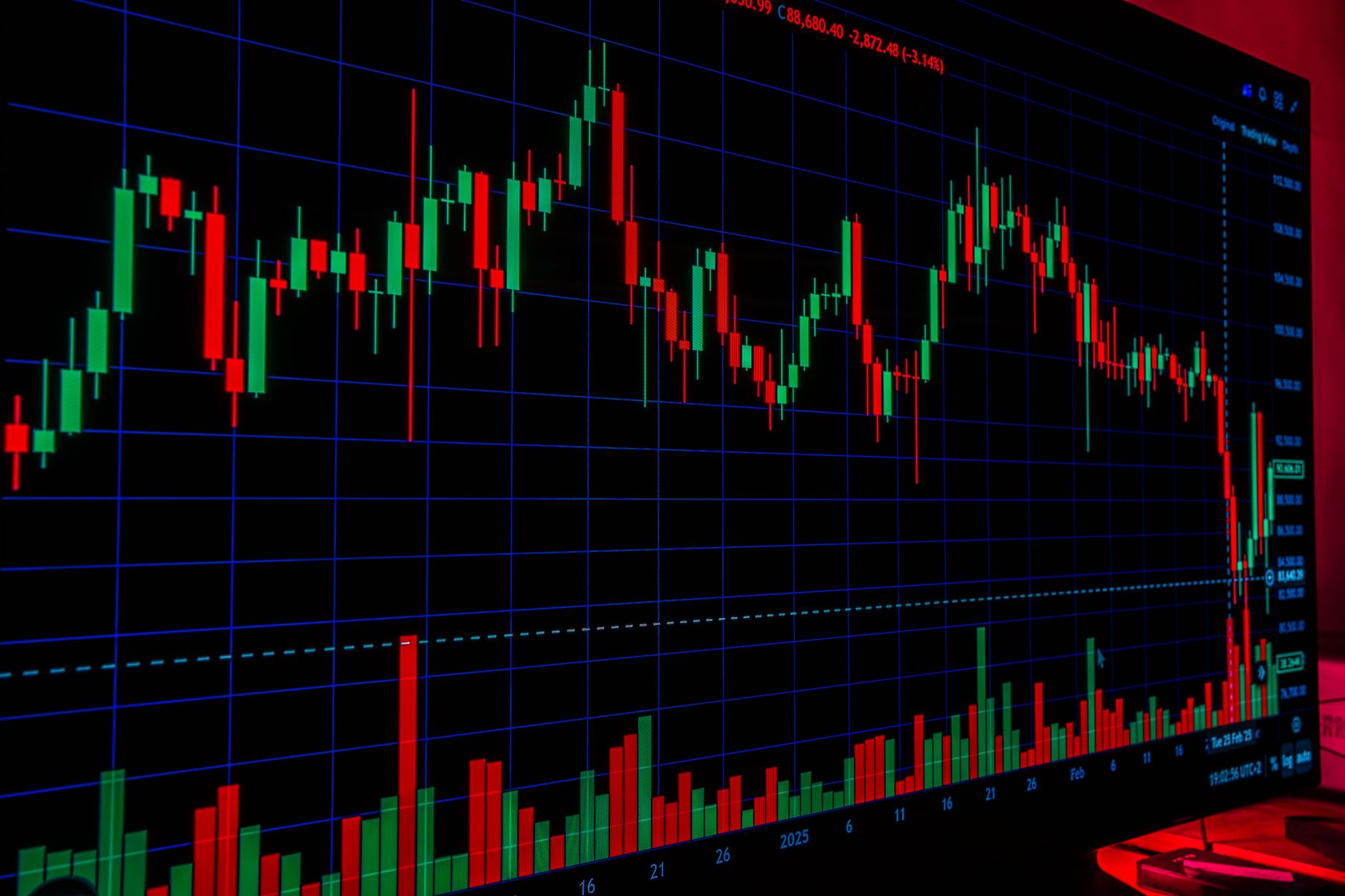
Investment activity across the Gulf continues to draw attention from global markets, as sovereign wealth funds, private investors and state-backed entities in the UAE and wider GCC expand their footprint across sectors ranging from technology and energy to real estate and logistics. The region’s growing role as a source of long-term capital has positioned it as a key player in shaping how international businesses raise funds, structure partnerships and plan expansion strategies in an increasingly competitive global economy.
Analysts tracking capital markets note that Gulf-based institutions have steadily diversified their portfolios in recent years, moving beyond traditional oil-and-gas-linked assets toward sectors such as artificial intelligence, renewable energy, fintech and advanced manufacturing. This shift reflects broader efforts by UAE and GCC governments to reduce dependence on hydrocarbon revenues while positioning their economies as hubs for innovation and cross-border trade.
Why the UAE and GCC Matter to Global Investors
For international companies and fund managers, the UAE in particular has emerged as a strategic gateway between East and West, offering access to capital, favorable regulatory frameworks and a growing base of institutional investors. Abu Dhabi and Dubai have each worked to strengthen their reputations as financial centers, attracting asset managers, venture capital firms and multinational corporations seeking exposure to both regional and global opportunities.
This dynamic has also encouraged a two-way flow of capital. While Gulf funds continue to invest heavily abroad, international investors are increasingly looking toward the UAE and broader GCC as markets in their own right, driven by infrastructure development, population growth and government-led diversification programs. The result has been heightened interest in sectors such as logistics, digital infrastructure, clean energy and tourism, all of which align with national economic visions pursued by Gulf governments over the past decade.
Market observers caution that global economic conditions, including shifts in interest rates, geopolitical developments and commodity price fluctuations, will continue to influence how capital moves in and out of the region. Even so, the broader trend points toward sustained engagement between Gulf capital pools and international markets, reinforcing the UAE’s role as a connector within the global investment landscape.
For readers in the UAE and across the GCC, these developments carry direct relevance. Decisions made by sovereign wealth funds and major regional investors often ripple through local economies, influencing job creation, business expansion and the pace of innovation in key sectors. As Gulf institutions deepen their participation in global finance, the interplay between local policy priorities and international capital allocation is expected to remain a central theme for investors, businesses and policymakers alike in the months ahead.
While specific transactions and figures continue to emerge on a rolling basis, the underlying pattern suggests a Gulf region increasingly embedded within the architecture of global investment, rather than operating on its periphery. That positioning is likely to remain a defining feature of how capital flows are discussed and analyzed in the region going forward.