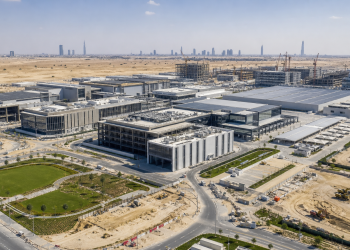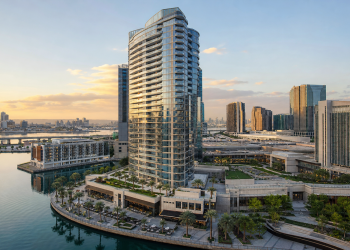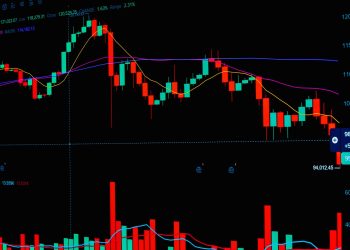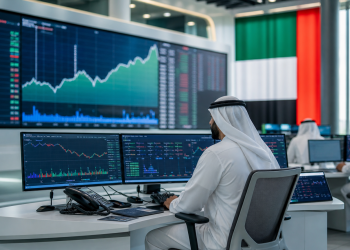

Global investors are continuing to recalibrate portfolios as shifting interest rate expectations, geopolitical developments and evolving regional growth stories reshape where capital is being deployed. While market conditions vary across sectors and geographies, the broader trend points to a more selective and risk-aware approach among institutional and private investors alike, with the Gulf region increasingly positioned as a destination of interest rather than merely a source of outbound capital.
Shifting Patterns in Global Capital Flows
Over recent years, investors have had to navigate a more complex environment shaped by fluctuating monetary policy, uneven economic recovery across major economies, and persistent uncertainty in energy and commodity markets. In this climate, diversification has become a central theme, with fund managers spreading exposure across asset classes, currencies and regions rather than concentrating bets on a single market or sector.
This recalibration has implications for the wider investment landscape, as both sovereign wealth funds and private capital reassess risk tolerance and return expectations. Analysts tracking these flows note that sectors tied to infrastructure, technology and energy transition have drawn sustained attention, even as traditional equity and bond markets experience bouts of volatility tied to macroeconomic data releases and central bank commentary.
At the same time, private equity and venture capital activity has shown signs of adjusting to a higher-cost-of-capital environment, with investors placing greater emphasis on profitability and sustainable business models rather than rapid, loss-making growth. This shift has been felt across mature and emerging markets, prompting companies seeking funding to demonstrate clearer paths to returns before securing commitments from backers.
Why the Gulf Region Is Watching Closely
For the UAE and wider GCC, these global dynamics carry direct relevance. The region’s sovereign wealth funds, state-linked investment vehicles and private family offices have become increasingly active participants in international markets, deploying capital into sectors ranging from technology and renewable energy to real estate and logistics. As global investors adjust strategies in response to rate expectations and economic signals, Gulf-based institutions are similarly reviewing allocation strategies to balance exposure between domestic diversification priorities and overseas opportunities.
The UAE in particular has sought to position itself as a hub connecting capital from the Gulf with opportunities in Asia, Europe and beyond, leveraging its regulatory frameworks, financial free zones and growing ecosystem of asset managers. This positioning matters for expatriate professionals, regional entrepreneurs and institutional stakeholders who track how global investment sentiment feeds into local market activity, from equities listed on regional exchanges to real estate and private credit opportunities.
Observers note that GCC economies’ ongoing efforts to diversify away from hydrocarbon dependence also make them more sensitive to, and more engaged with, global capital market trends. As non-oil sectors such as tourism, technology and renewable energy expand, the appetite for foreign direct investment and co-investment partnerships with international funds has grown correspondingly, reinforcing the two-way relationship between Gulf capital and global markets.
For Gulf-based investors and the wider business community, the broader lesson emerging from current global conditions is one of caution paired with opportunism: maintaining liquidity and risk discipline while remaining alert to openings created by market dislocations. As central banks in major economies continue to calibrate policy and geopolitical developments influence sentiment, regional stakeholders are expected to keep a close watch on how these forces translate into opportunities and risks closer to home, particularly as the UAE continues to court international capital as part of its long-term economic diversification strategy.