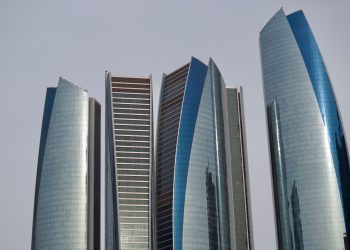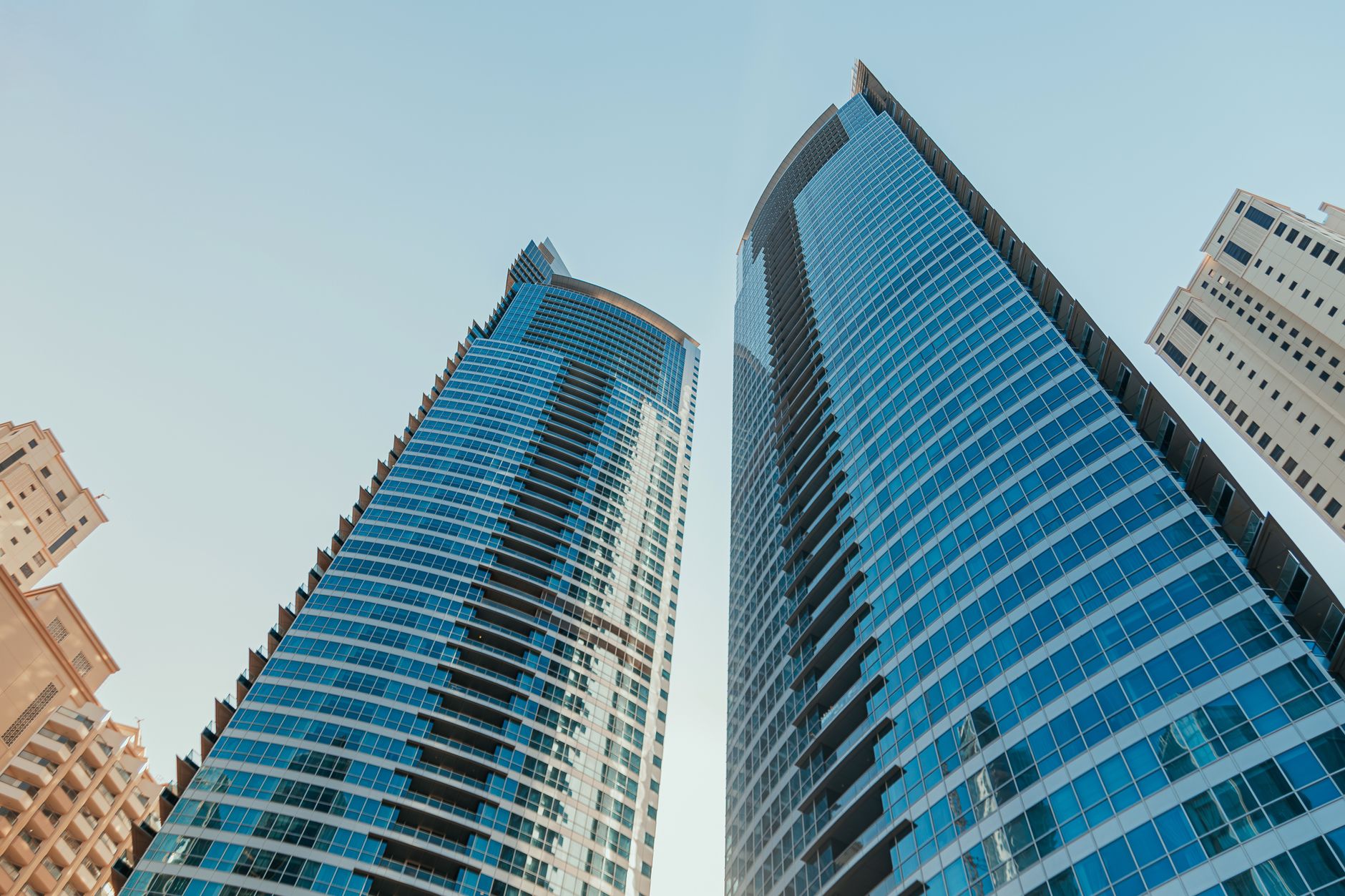
Dubai’s commercial real estate market recorded a moderation in activity during the second quarter, according to a recent consultancy assessment, even as analysts point to underlying resilience across the sector. The pullback follows several quarters of robust expansion in the emirate’s office, retail and industrial segments, and market watchers characterise the shift as a natural recalibration rather than a signal of structural weakness.
The easing comes after a sustained run in which Dubai’s commercial property market benefited from strong occupier demand, rising rents and constrained supply in prime locations. A slowdown in the pace of growth during the second quarter suggests the market may be entering a phase of consolidation, with landlords and investors adjusting expectations after a period of rapid appreciation.
Demand Drivers Remain Intact Despite Slower Pace
Despite the quarter-on-quarter dip, the consultancy’s assessment points to continued underlying strength in Dubai’s commercial property fundamentals. Factors typically cited in support of the market’s resilience include steady corporate relocation activity, sustained interest from international businesses establishing regional footprints, and limited availability of high-quality office space in sought-after districts. These dynamics have historically underpinned rental growth and occupancy levels even during periods of slower transactional activity.
Dubai has positioned itself as a regional hub for finance, technology and professional services firms, a trend that has supported demand for premium office space in areas such as the Dubai International Financial Centre and other established business districts. Retail assets tied to tourism and consumer spending, along with logistics and industrial facilities linked to trade and e-commerce growth, have also been contributors to the broader commercial real estate narrative in the emirate.
What It Means for the UAE and Wider Gulf Market
For the UAE and the broader Gulf region, Dubai’s commercial property performance is closely watched as a barometer of investor confidence and economic diversification efforts. The emirate has worked to attract multinational corporations and financial institutions through initiatives such as long-term residency options and free zone incentives, and commercial real estate demand is often viewed as a downstream indicator of that strategy’s success.
A temporary dip in quarterly figures is unlikely to alter the broader investment thesis for Gulf-based property funds and institutional investors, who have increasingly allocated capital toward Dubai’s commercial assets in recent years. Regional sovereign wealth funds and private developers have also expanded exposure to office and mixed-use developments, betting on continued population growth and business formation across the emirate.
Analysts tracking the market suggest that the coming quarters will be important in determining whether the second-quarter slowdown represents a short-term adjustment or the start of a more prolonged deceleration. Supply pipelines, interest rate trends, and the pace of new business licensing in Dubai are likely to remain key variables shaping commercial real estate performance through the remainder of the year.
For now, the consensus among observers is that while headline figures softened, the structural demand drivers that have supported Dubai’s commercial property sector — including its role as a regional business and logistics hub — remain largely unchanged, offering a degree of reassurance to investors and occupiers alike.