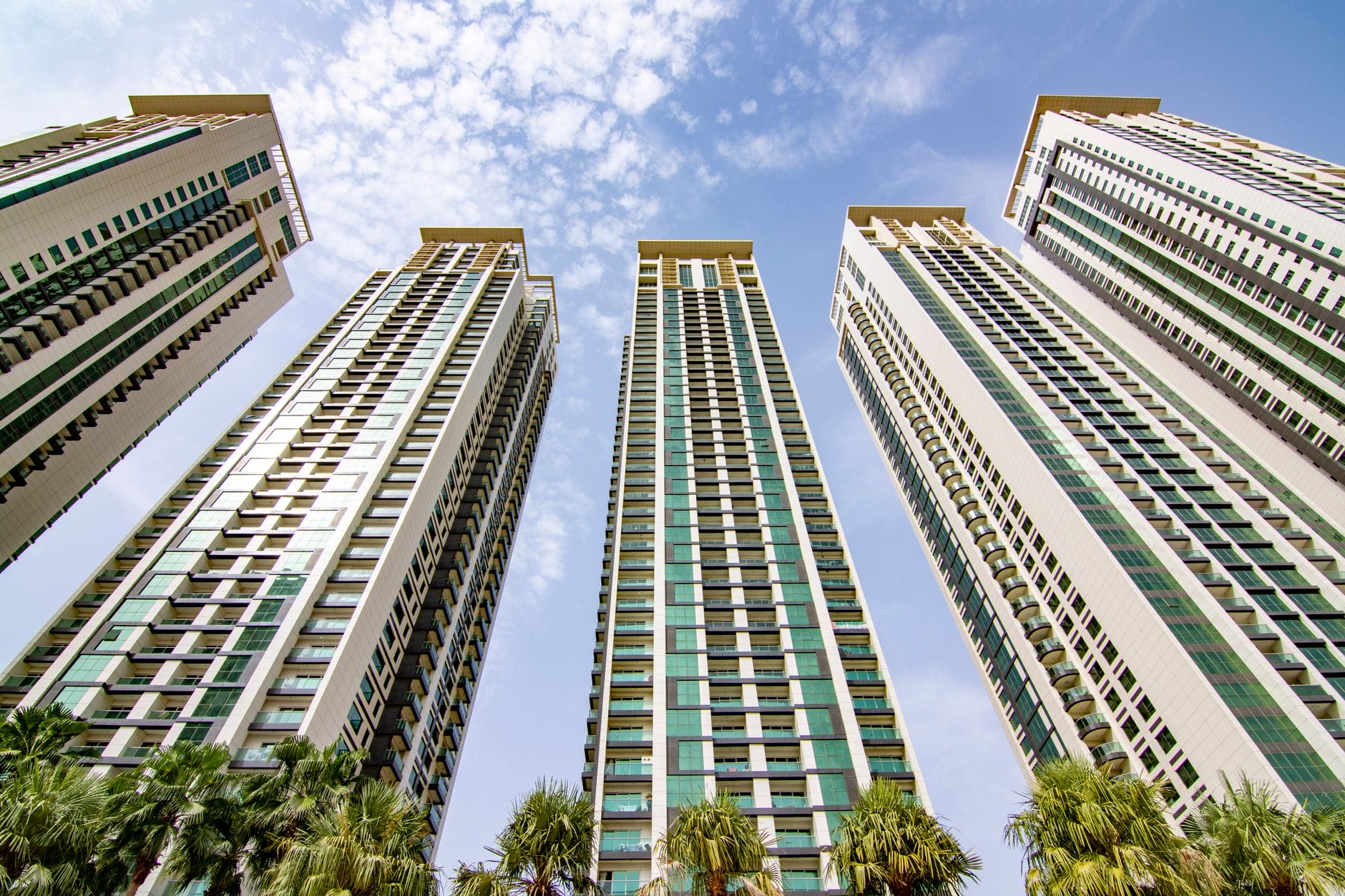
Abu Dhabi is preparing to add 71,000 residential units to its housing stock by the end of the decade, marking one of the emirate’s most significant expansions of home supply in recent years. The pipeline, which spans a seven-year window, points to a coordinated push by developers and planners to keep pace with population growth and rising demand for housing across the capital.
According to the latest projections, the rollout of new homes will not be evenly spread across the period. Instead, activity is expected to build steadily before peaking in 2028, when the largest single-year wave of completions is scheduled to reach the market. That front-loaded structure suggests that a large share of current construction and planning approvals are already aligned toward delivery in the back half of the decade, rather than an even annual drip of new supply.
The scale of the pipeline reflects the emirate’s broader strategy of positioning itself as a long-term destination for residents, investors and businesses. Abu Dhabi has in recent years pursued economic diversification initiatives spanning technology, finance, tourism and industry, each of which is expected to draw additional population inflows requiring housing. A supply pipeline of this size is intended to ensure that residential availability does not become a bottleneck to that growth.
Implications for the Wider UAE and GCC Market
The scale of Abu Dhabi’s housing expansion is likely to be closely watched beyond the emirate’s own borders. Because real estate markets across the UAE are interconnected, a significant increase in supply from the capital has the potential to influence pricing dynamics, rental levels and investment flows in neighboring emirates, including Dubai, where residential markets have experienced strong price appreciation in recent years.
For prospective homeowners and tenants across the UAE, a larger supply base in Abu Dhabi could help moderate housing costs, particularly if the new units span a range of price points and are not concentrated solely in the luxury segment. Analysts and market participants across the GCC often track this kind of emirate-level pipeline data as an early indicator of where affordability pressures may ease or intensify in the years ahead.
The timing of the pipeline is also notable in the context of broader GCC real estate cycles. Gulf markets, including Saudi Arabia and Qatar, are simultaneously investing heavily in housing and urban development as part of long-term economic diversification plans. Abu Dhabi’s decision to concentrate delivery around 2028 suggests planners are seeking to align new housing stock with anticipated peaks in population and economic activity later in the decade, rather than the near term.
For developers and investors active in the UAE property sector, the pipeline offers a clearer sense of when to expect increased competition for tenants and buyers, as well as potential opportunities tied to construction, infrastructure and ancillary services required to support new residential communities. Real estate advisory firms operating in the region are likely to refine demand forecasts in the coming months as more detail emerges on the specific zones, project types and developer partnerships involved in delivering the 71,000 units.
As the plan progresses, further clarity on financing structures, affordability targets and the geographic distribution of new developments across Abu Dhabi is expected to shape how the market absorbs this wave of supply, and whether it meaningfully shifts the balance between housing demand and availability across the UAE through 2030.