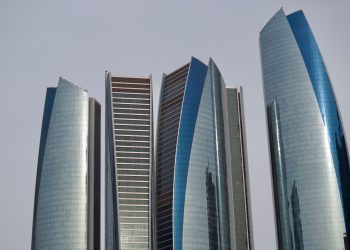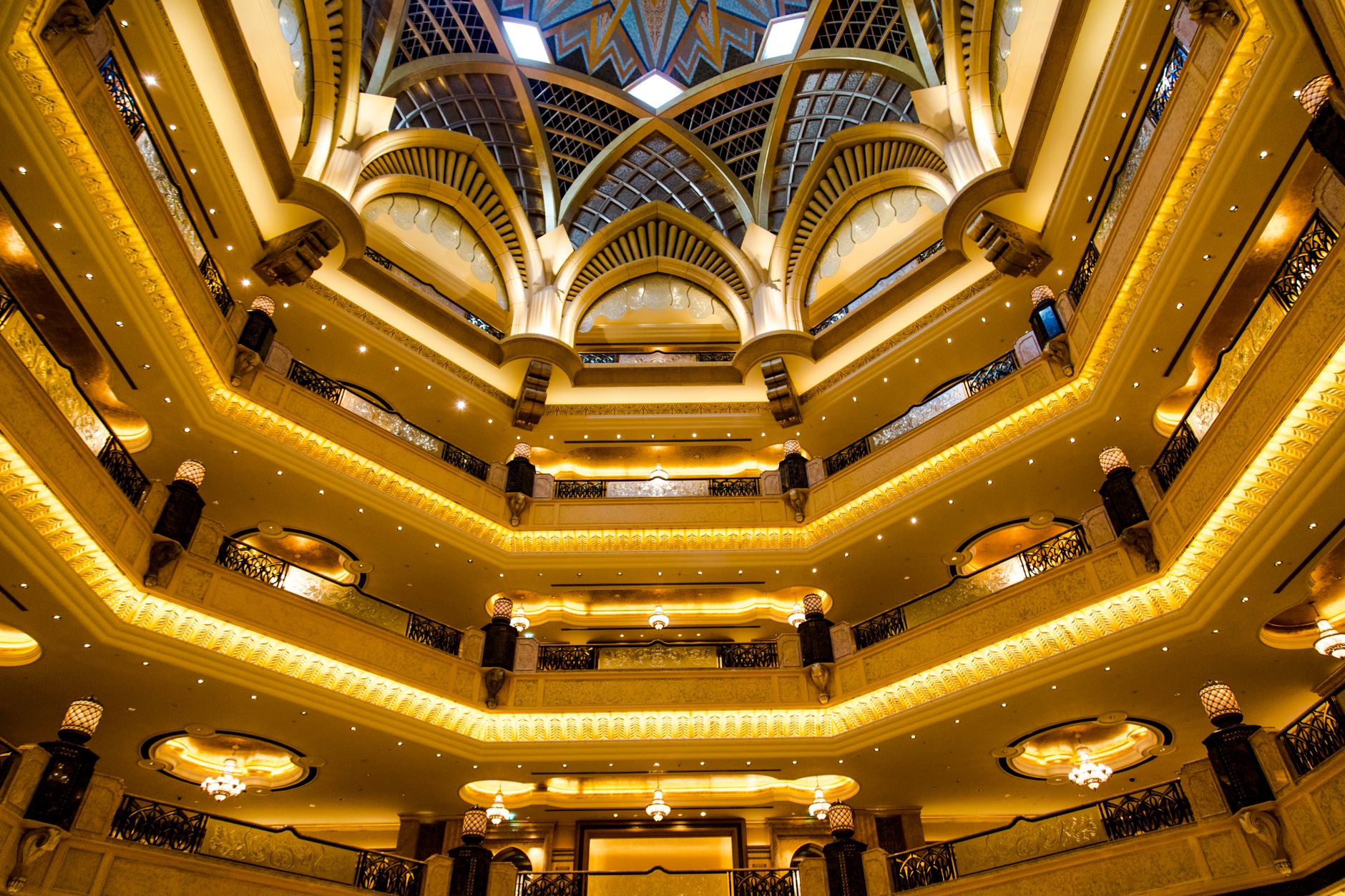
Abu Dhabi-based property developer MERED has drawn attention to a shift in what buyers are prioritising in the emirate’s luxury real estate market, pointing to changing lifestyle expectations among high-net-worth residents and investors. The observations come as Abu Dhabi continues to position itself as a destination for premium residential development, competing with other Gulf hubs for a growing pool of affluent buyers seeking long-term homes and investment assets in the region.
According to the developer, purchasers in the upper end of the market are increasingly weighing factors beyond location and unit size alone, with greater emphasis being placed on quality of design, wellness-oriented amenities, and the overall lifestyle experience a development offers. This marks a departure from earlier phases of the market, when scale and prestige addresses were often the dominant considerations for luxury buyers in the emirate.
MERED’s remarks reflect a broader conversation within the UAE property sector about how developers are recalibrating their offerings to match evolving demand. As Abu Dhabi’s population of affluent residents expands, driven in part by relocations of executives, entrepreneurs and family offices to the capital, developers appear to be responding with projects that emphasise bespoke architecture, sustainability credentials and integrated community facilities rather than sheer size or unit count.
Why It Matters for the UAE and Wider Gulf Market
The trend carries significance for Abu Dhabi’s real estate sector, which has in recent years sought to differentiate itself from Dubai’s more established luxury market by emphasising a quieter, more curated lifestyle proposition. Developers in the capital have been positioning high-end projects around waterfront access, cultural districts and proximity to institutions such as museums, universities and government precincts, appealing to buyers who prioritise long-term liveability alongside investment potential.
For the broader GCC region, the shift underscores a maturing of luxury property demand, with buyers across Saudi Arabia, Qatar and other Gulf states increasingly influenced by global benchmarks for high-end living rather than purely local ones. As sovereign wealth funds, family offices and international investors continue to funnel capital into Gulf real estate, developers are under pressure to align their projects with international standards of design and sustainability to remain competitive.
Abu Dhabi’s regulatory environment, including freehold ownership options in designated investment zones and long-term residency incentives such as the Golden Visa, has also played a role in attracting overseas buyers to the emirate’s luxury segment. Industry observers note that as more foreign buyers enter the market, developers are likely to continue adjusting their strategies to reflect international expectations around amenities, service standards and community design.
MERED’s comments add to a growing body of commentary from developers and industry stakeholders suggesting that Abu Dhabi’s luxury property market is entering a new phase, one less defined by size and more by the quality of experience offered to residents. As competition among Gulf cities for high-net-worth capital intensifies, how developers respond to these shifting priorities is likely to shape the next stage of growth in the emirate’s premium real estate sector.