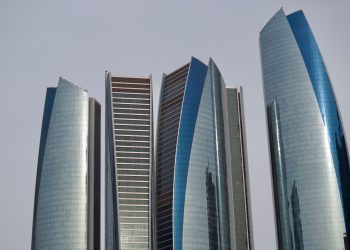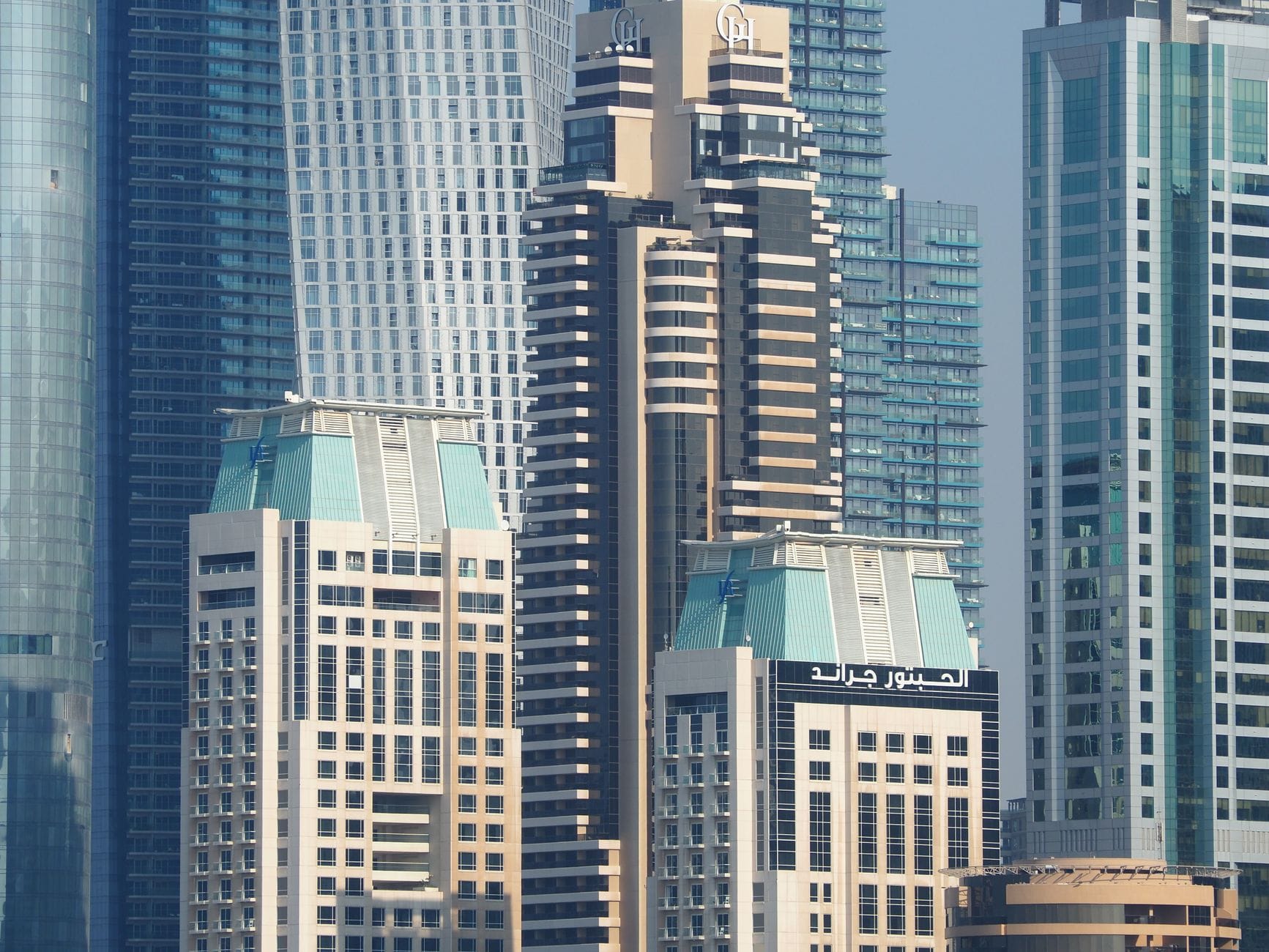
Debate over the direction of the United Arab Emirates’ economy has resurfaced, with commentary from German broadcaster DW.com framing the question in stark terms: is the Gulf nation heading toward instability, or is it in the midst of a durable recovery? The discussion arrives at a moment when the UAE’s real estate sector, long viewed as a bellwether for broader economic sentiment, continues to draw close scrutiny from investors, developers and policymakers across the region.
The UAE has spent the past several years positioning itself as a hub for foreign capital, tourism, technology firms and relocating professionals, particularly from markets affected by geopolitical and economic uncertainty elsewhere. Dubai and Abu Dhabi have both leaned heavily on property development, hospitality and infrastructure investment as pillars of growth beyond the traditional hydrocarbons base. That strategy has fueled a wave of construction activity, off-plan sales and master-planned communities in recent years, with developers competing to attract both regional and international buyers.
At the same time, questions persist about the sustainability of that growth model. Critics point to concerns familiar to fast-expanding property markets: the risk of oversupply in certain segments, reliance on continued inflows of foreign capital, and exposure to shifts in global interest rates and investor appetite. Supporters counter that the UAE’s economic diversification strategy, coupled with a favorable regulatory environment for foreign ownership and business setup, has given the country more resilience than in previous cycles, when oil price swings had an outsized effect on confidence and liquidity.
Real Estate as a Barometer for Gulf Investors
For the real estate sector specifically, the tension between these two narratives matters because property remains one of the most visible and closely tracked components of the UAE’s non-oil economy. Transaction volumes, rental performance and the pace of new project launches are routinely used by analysts, brokers and institutional investors as proxies for broader economic health. A perception of fragility, even if not borne out by underlying fundamentals, can influence buyer sentiment, financing conditions and the pricing of new launches.
Regional real estate professionals note that the UAE market has weathered previous periods of skepticism, including downturns tied to global financial shocks, only to see renewed demand from both regional and international buyers once conditions stabilized. Free zones, golden visa programs and reforms to property ownership rules for foreign nationals have been cited as structural factors that continue to support demand, even as some observers caution that rapid supply growth in certain emirates warrants monitoring.
For Gulf Cooperation Council investors and developers, the broader debate carries direct implications. The UAE’s property market does not operate in isolation from the rest of the region; capital flows between Dubai, Abu Dhabi, Riyadh, Doha and other GCC centers are increasingly interconnected as sovereign wealth funds, family offices and private investors diversify across multiple Gulf jurisdictions. A slowdown or correction in the UAE would likely reverberate through regional real estate portfolios, financing arrangements and joint development ventures, while continued stability would reinforce the UAE’s role as the region’s preferred hub for cross-border property investment.
Analysts tracking the sector have generally cautioned against reading short-term headlines, whether pessimistic or optimistic, as definitive verdicts on the UAE’s long-term trajectory. Instead, they point to the need to watch a combination of factors — including construction pipelines, mortgage lending trends, occupancy rates and government fiscal policy — before drawing firm conclusions about whether the emirate-led economy is approaching a downturn or consolidating gains from its diversification push.
As the debate continues in international media, market participants in the UAE and wider GCC are likely to keep a close watch on real estate indicators in the coming months as one of the clearer signals of where the broader economy is headed.