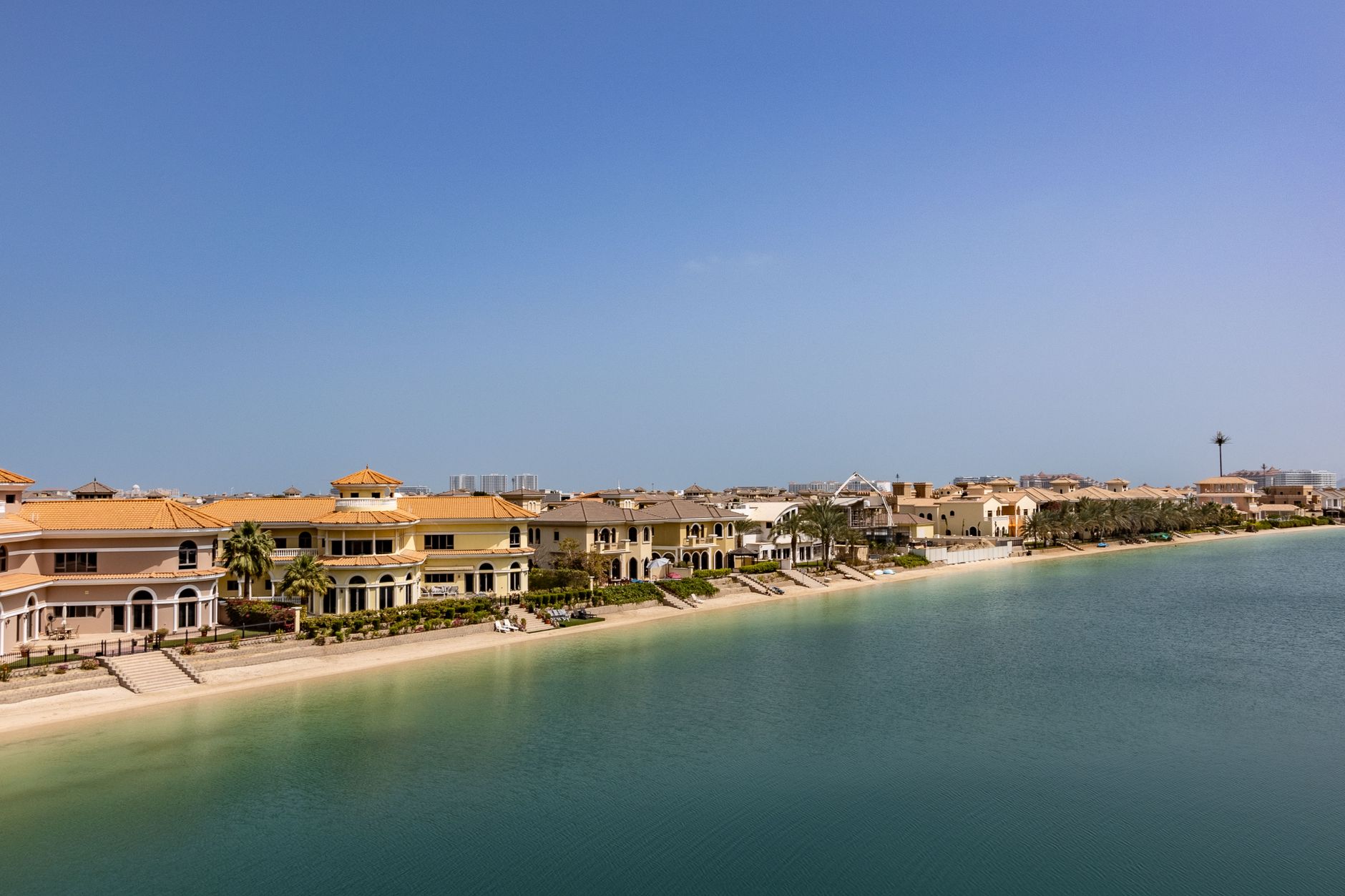
Dubai’s ultra-prime residential market recorded a 23% rise in sales during the period under review, according to figures reported by Gulf Business, as the emirate continues to attract high-net-worth buyers seeking luxury homes in a market that has shown sustained momentum in recent years. The increase reflects continued demand for premium villas and apartments in Dubai’s most exclusive waterfront and gated communities, areas that have consistently drawn international buyers alongside investors from across the Gulf region.
The growth in ultra-prime transactions comes against a backdrop of broader strength in Dubai’s property market, which has benefited from the emirate’s positioning as a global hub for wealth, business and lifestyle. Analysts and industry observers have repeatedly pointed to Dubai’s tax environment, residency options tied to property investment, and its reputation for safety and stability as key factors drawing affluent buyers from Europe, Asia, Russia and the wider Middle East.
Alongside the residential surge, commercial real estate investment in Dubai has also strengthened, with capital flowing into office space, retail assets and logistics facilities as businesses expand their footprint in the emirate. The parallel rise in both ultra-prime housing and commercial property investment suggests that Dubai’s appeal extends beyond individual lifestyle buyers to institutional and corporate investors seeking exposure to a market viewed as resilient amid global economic uncertainty.
Regional Significance for GCC Investors
For investors across the UAE and wider GCC, the data underscores Dubai’s continuing role as a magnet for capital that might otherwise flow to more traditional global financial and property hubs such as London, New York or Singapore. The emirate’s ultra-prime segment, which typically comprises properties commanding significant premiums over standard luxury listings, has become a barometer for broader confidence in the UAE’s economic trajectory and its ability to attract mobile global wealth.
Regional developers and brokerages are likely to view the twin rise in residential and commercial activity as validation of strategies that have focused on branded residences, master-planned communities and mixed-use developments catering to both lifestyle buyers and corporate tenants. Gulf-based family offices and sovereign-linked investment vehicles, which have historically maintained significant exposure to Dubai real estate, may find further justification for continued allocation to the sector.
The commercial investment surge also carries implications for the UAE’s broader economic diversification agenda, as sustained interest in office and logistics assets often signals confidence in non-oil sectors including trade, technology and financial services. Dubai has positioned itself as a base for multinational firms establishing regional headquarters, and rising commercial property demand is consistent with continued corporate relocation and expansion activity in the emirate.
While the specific figures behind the reported 23% increase and the scope of commercial investment gains were not fully detailed, the trend aligns with wider narratives around Dubai’s property market, which has drawn sustained attention from global wealth managers and real estate consultancies tracking prime markets worldwide. Market participants will likely watch upcoming data releases from Dubai’s Land Department and major brokerages for further confirmation of whether this momentum extends into subsequent quarters, particularly as global interest rate conditions and geopolitical developments continue to shape cross-border investment flows into Gulf real estate markets.