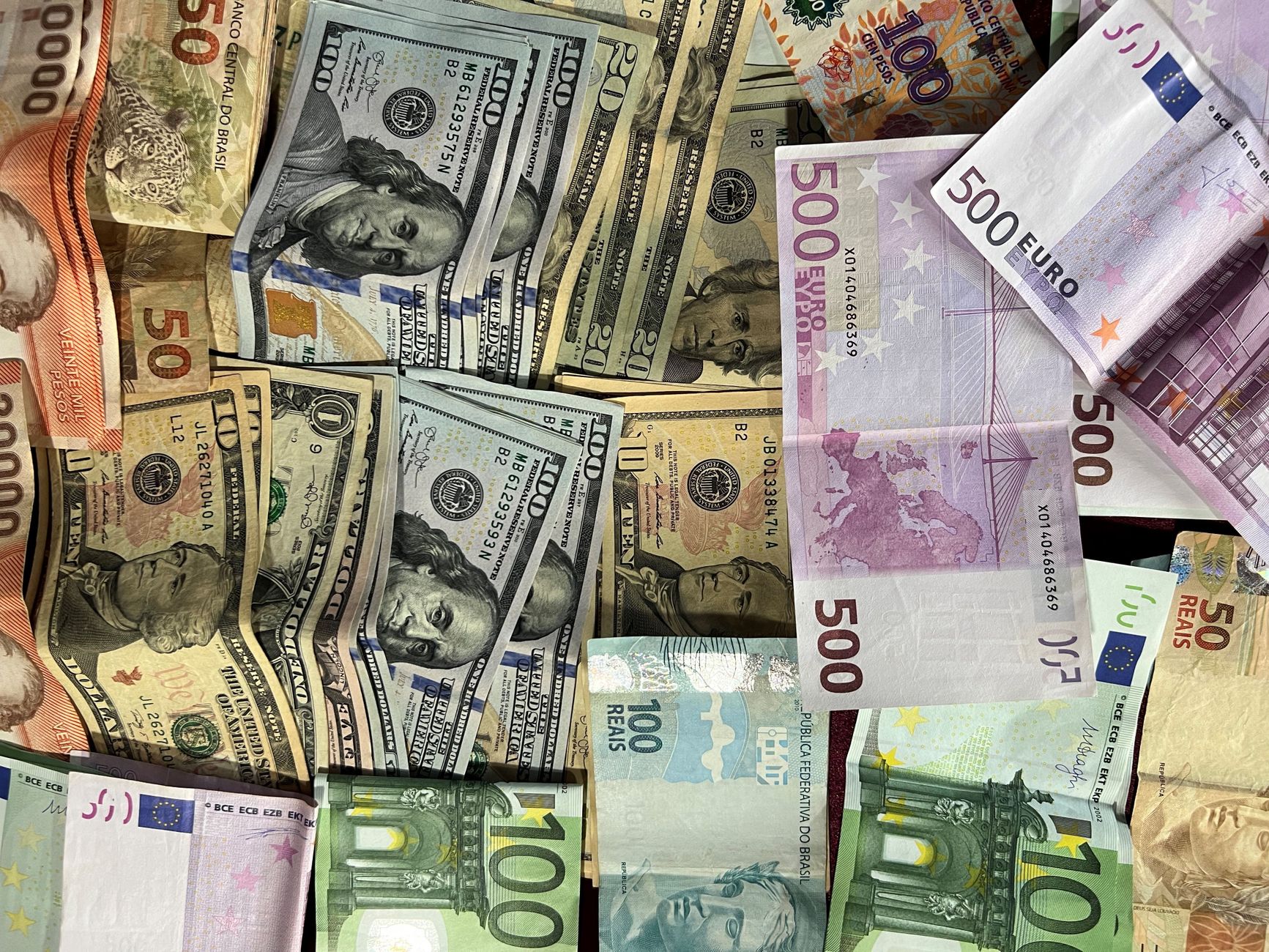
Investors worldwide are navigating a shifting landscape as monetary policy uncertainty, geopolitical tensions and evolving trade relationships continue to reshape where capital is deployed. Fund managers and institutional allocators are increasingly weighing diversification strategies, moving away from concentrated bets in single markets or asset classes toward broader portfolios that can withstand volatility across regions. This recalibration reflects a broader recognition that the post-pandemic economic order has not settled into a predictable pattern, leaving both retail and institutional investors to reassess risk tolerance and time horizons.
Analysts tracking the wider investment picture note that capital is gravitating toward markets and sectors perceived as offering stability alongside growth potential. Infrastructure, energy transition projects, and technology-enabled services have emerged as areas of sustained interest, even as traditional equity and bond markets contend with fluctuating investor sentiment tied to central bank decisions and inflation trajectories. The result has been a more selective approach to deal-making, with due diligence timelines lengthening and valuations coming under closer scrutiny than in previous cycles.
UAE and GCC Positioned as Emerging Capital Hubs
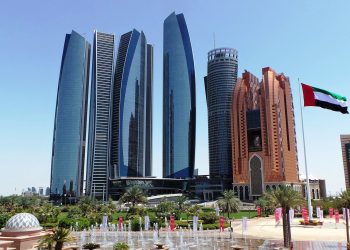
Within this environment, the UAE and wider Gulf Cooperation Council region have continued to strengthen their standing as destinations for both inbound and outbound investment. Sovereign wealth funds based in the Gulf have expanded their global footprints in recent years, while Dubai and Abu Dhabi have worked to attract international fund managers, family offices and venture capital firms through regulatory reforms and dedicated financial free zones. This positioning has made the region a focal point for conversations about where global liquidity might flow next, particularly as investors search for jurisdictions offering political stability, tax efficiency and access to fast-growing consumer markets across the Middle East, Africa and South Asia.
For UAE-based investors and expatriate professionals managing portfolios, the broader global recalibration carries direct implications. Local financial institutions and asset managers operating in the Gulf are closely monitoring international developments, given the extent to which regional markets remain integrated with global capital flows through trade, energy exports and cross-border investment partnerships. Any shift in how major economies approach interest rates, fiscal policy or regulatory oversight of financial markets has the potential to influence liquidity conditions and investor appetite within the GCC itself.
Industry observers suggest that the coming period will likely test the resilience of investment strategies built during years of relatively accommodative monetary policy. As central banks in major economies continue to calibrate their approach to inflation and growth, market participants in the UAE and across the wider region are expected to maintain a cautious but opportunistic stance, balancing exposure to global trends with the pursuit of opportunities closer to home. This dual approach reflects a broader maturation of Gulf capital markets, which have increasingly sought to position themselves not merely as recipients of global investment but as active shapers of where and how that capital is ultimately deployed.