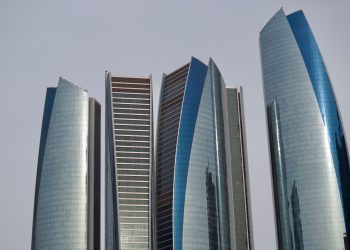
Real estate activity across the United Arab Emirates and the wider Gulf Cooperation Council continues to attract attention from local and international investors, as the sector remains one of the most closely watched components of the region’s diversifying economies. Analysts and industry observers note that property markets in Dubai, Abu Dhabi and other GCC hubs have retained their appeal amid broader shifts in global capital flows, population growth and infrastructure expansion.
The UAE’s real estate sector has long served as a barometer for investor confidence in the region, with residential, commercial and hospitality segments each playing a role in shaping the country’s economic narrative. Developers, brokerages and government entities across the Emirates have in recent years pursued strategies aimed at broadening the buyer base, easing ownership rules for foreign nationals, and expanding the range of freehold areas available to investors.
Why the Sector Matters to Gulf Readers
For residents, expatriates and institutional investors across the GCC, real estate is not simply a matter of housing but a significant driver of household wealth, banking sector exposure and government revenue. Property transactions feed into a wide ecosystem that includes mortgage lending, construction, retail and tourism, making shifts in the sector relevant well beyond those directly buying or selling homes.
In the UAE specifically, real estate has been closely tied to national efforts to attract foreign direct investment and skilled talent. Long-term residency and golden visa programs, tied in part to property investment thresholds, have reinforced the connection between the real estate market and the country’s broader economic and demographic goals. Similar dynamics are visible elsewhere in the Gulf, where Saudi Arabia, Qatar and other neighbours have introduced reforms intended to open property ownership to a wider pool of buyers, including expatriates and foreign entities, as part of economic diversification plans tied to national visions extending over the coming years.
Market watchers in the region continue to track a mix of factors that influence pricing and demand, including interest rate movements, population inflows, off-plan project launches and the pace of infrastructure delivery. These variables have historically produced cyclical patterns in Gulf property markets, with periods of rapid price appreciation sometimes followed by phases of consolidation, prompting regulators and developers alike to emphasise measured, sustainable growth strategies.
Government authorities across the UAE have also placed emphasis on regulatory oversight, escrow protections for off-plan buyers, and data transparency initiatives designed to bolster confidence among both retail and institutional investors. Such measures are frequently cited by industry participants as central to maintaining the credibility of Gulf real estate markets as investment destinations, particularly as competition intensifies from other global property hubs seeking to attract similar pools of capital.
As the UAE and its neighbours continue efforts to position themselves as long-term homes for international businesses, high-net-worth individuals and skilled professionals, real estate is expected to remain a central pillar of that strategy. Stakeholders ranging from developers to policymakers are likely to keep a close watch on transaction volumes, pricing trends and regulatory developments in the months ahead, with any shifts carrying implications not only for the property sector itself but for the broader economic trajectory of the Gulf region.
TAI News will continue to monitor developments across the UAE and GCC real estate landscape and provide updated coverage as further details, figures and official statements become available from relevant authorities and market participants.