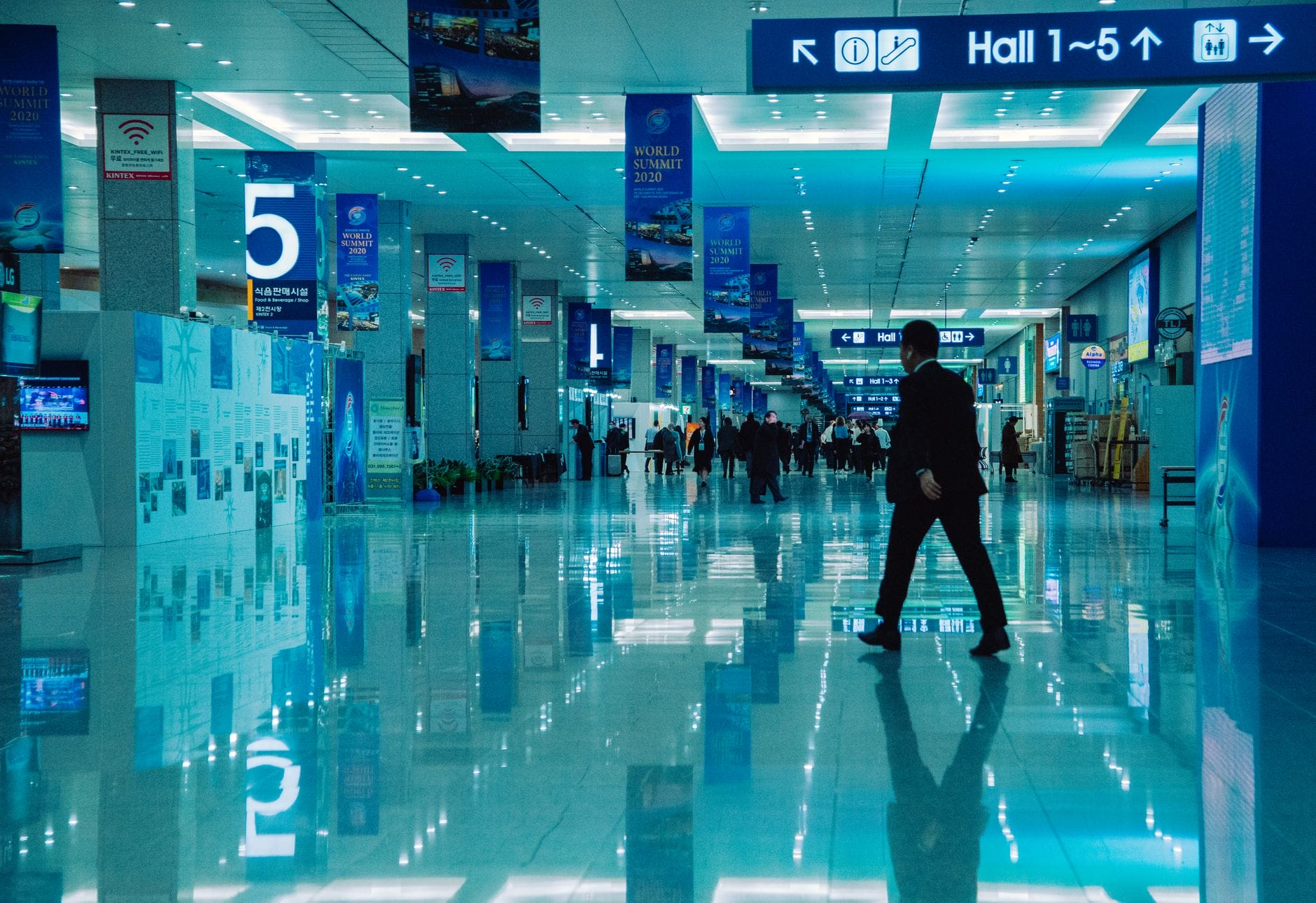
Gamescom 2026 is set to host nearly 50 national pavilions, marking a 25% jump from the previous edition and cementing the fair’s position as Europe’s largest gaming trade event. Organisers said the number of countries represented has climbed to 40, a 14% increase year-over-year, reflecting expanding global appetite for participation in one of the industry’s most closely watched annual gatherings in Cologne, Germany.
The growth in pavilion numbers comes as gaming continues to attract government-level attention worldwide, with national delegations increasingly using the event to promote domestic studios, technology firms, and creative industries to an international audience. Gamescom has traditionally drawn hundreds of thousands of visitors and thousands of trade attendees, making it a focal point for publishers, developers, hardware makers, and investors seeking exposure to European and global markets.
The rise in country pavilions is widely viewed within the industry as a leading indicator of deal activity. Larger and more diverse national presences typically translate into greater opportunities for partnerships, licensing agreements, and investment discussions, as pavilions often serve as staging grounds for business meetings between studios, publishers, and government trade bodies. Analysts tracking the gaming trade fair circuit note that pavilion expansion is frequently accompanied by a rise in sponsorship activity and media coverage, further amplifying the commercial significance of the event.
Gulf Region’s Growing Stake in Global Gaming
While specific details of a UAE or wider Gulf Cooperation Council pavilion at Gamescom 2026 have not been disclosed, the broader trend of expanding international representation aligns with a period of intensifying gaming and esports investment across the Gulf. Countries in the region, including the UAE and Saudi Arabia, have in recent years positioned gaming and interactive entertainment as strategic pillars of economic diversification efforts, backing esports tournaments, game development studios, and digital entertainment infrastructure.
Gulf-based sovereign wealth funds and private investors have increasingly taken stakes in international gaming companies, while regional governments have hosted large-scale esports events and sought to build local development talent pipelines. Industry observers suggest that as global platforms like Gamescom continue to grow their international footprint, GCC entities are likely to seek greater visibility at such events, whether through formal pavilions, sponsorships, or delegation visits aimed at scouting partnerships and investment opportunities.
For Gulf stakeholders, the expansion of Gamescom’s country pavilion program represents a signal of where global gaming investment and networking activity is concentrating. As competition among nations to attract gaming studios and talent intensifies, events of this scale offer a benchmark for how governments elsewhere are structuring their own industry promotion strategies—an approach that has parallels with the Gulf’s own ambitions to become a recognised hub for gaming and digital entertainment.
Organisers of Gamescom 2026 have not yet released a full list of participating countries or detailed program specifics, though the record pavilion growth suggests the event’s role as a global convening point for the gaming industry will continue to expand heading into next year’s edition.