
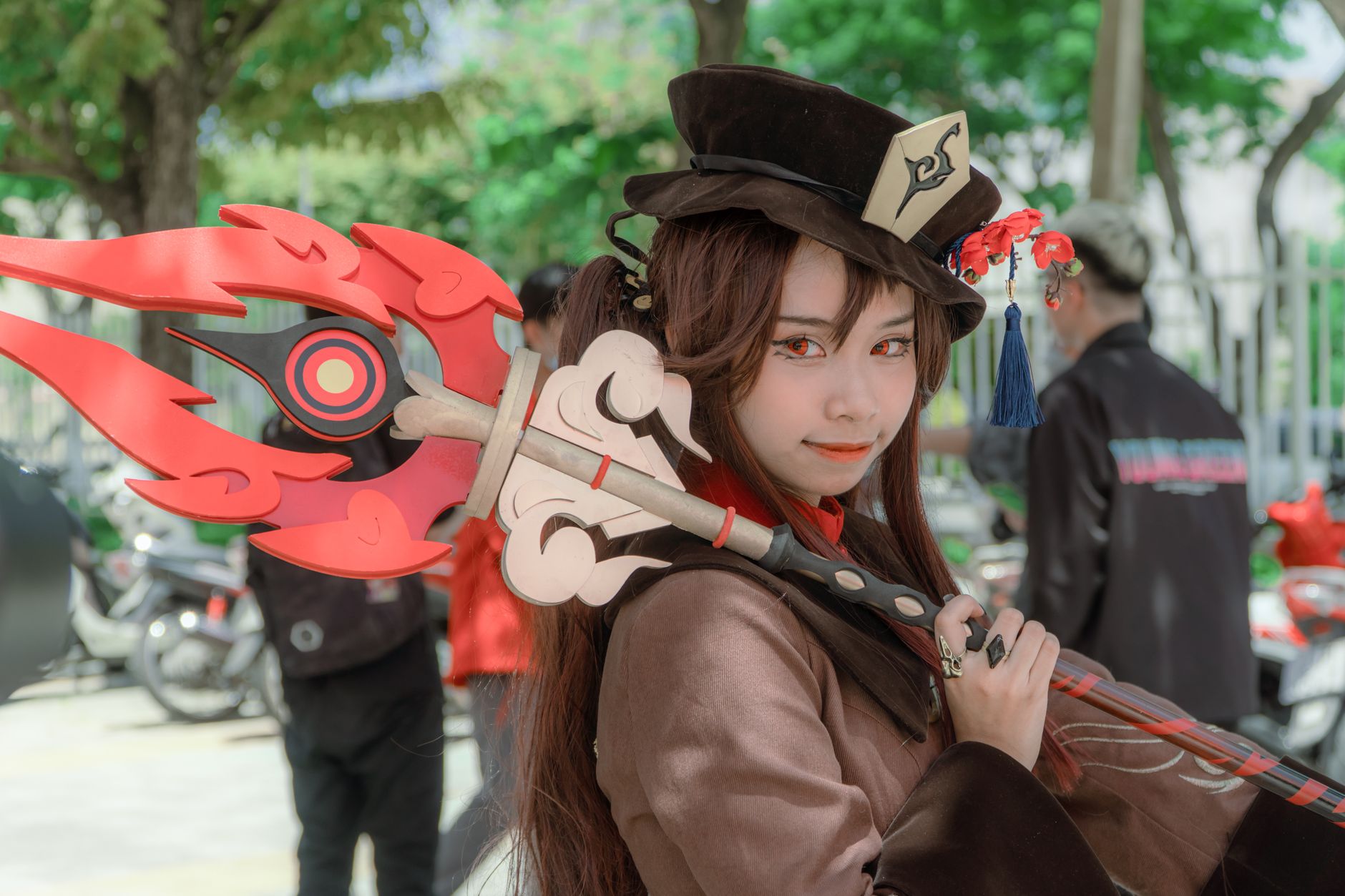
Game developers weighing whether to swap out a beloved protagonist for a sequel are being urged to think carefully before making the switch, as industry analysis suggests that changing a franchise’s central character can carry more risk than reward. The debate touches on a recurring tension in game design: balancing creative ambition with the emotional investment players place in the characters they have spent dozens of hours controlling.
The risk of breaking player attachment
At the heart of the discussion is the idea that a game’s protagonist often becomes inseparable from the identity of the franchise itself. Players do not just follow a story; they build a relationship with the character who carries them through it, learning their abilities, their voice and their arc across an entire game. When a sequel arrives with an unfamiliar face at the centre, that continuity is disrupted, and studios risk alienating an audience that had already committed emotionally and financially to the original lead.
Industry commentary attributed to Christian Fonnesbech, whose company Leverage advises on game and narrative development, frames this as a structural design question rather than a simple matter of taste. Swapping protagonists can be justified creatively, particularly when a story has reached a natural conclusion or when a developer wants to explore new perspectives within an established world. But the analysis, first published under the headline Why switching main characters for your game’s sequel might be a mistake, argues that such decisions need to be weighed against the commercial and emotional cost of severing the bond built with an existing fanbase, since marketing, merchandising and community engagement are often built around a single recognisable face.
Why the debate matters for regional studios
The question is not merely academic for the Gulf, where investment in game development, publishing and esports has accelerated in recent years. The UAE and Saudi Arabia in particular have positioned themselves as regional hubs for interactive entertainment, backing studios, hosting international tournaments and courting global publishers to set up local operations. As homegrown and regionally funded titles move beyond single releases into sequels and ongoing franchises, the same character-continuity questions facing established Western and Japanese publishers will increasingly apply to studios based in Abu Dhabi, Dubai and Riyadh.
For an audience in the UAE and wider GCC that has watched gaming grow from a niche hobby into a strategic economic sector, the underlying lesson translates well beyond any single title: franchise value is often tied less to a game’s mechanics or setting than to the character players come to see as their own. Developers building long-term intellectual property in the region, whether for mobile audiences, console releases or esports-adjacent titles, are likely to face the same calculus that has shaped decisions at larger international studios for years.
The broader conversation also reflects how sequels are increasingly treated as long-term brand investments rather than standalone products, a shift that mirrors wider trends across the gaming industry as publishers lean more heavily on established franchises to manage financial risk. With production budgets rising and player expectations growing more demanding with every release, the choice of who stands at the centre of a story is no longer treated as a minor creative detail but as a decision with direct consequences for a franchise’s commercial future.
No specific titles or sales figures were cited in the discussion, but the underlying principle is expected to remain relevant as more studios, including those emerging from the Gulf’s expanding gaming ecosystem, plan multi-instalment franchises built around a central, recognisable hero.





