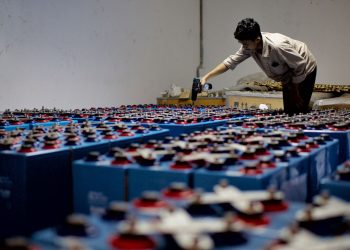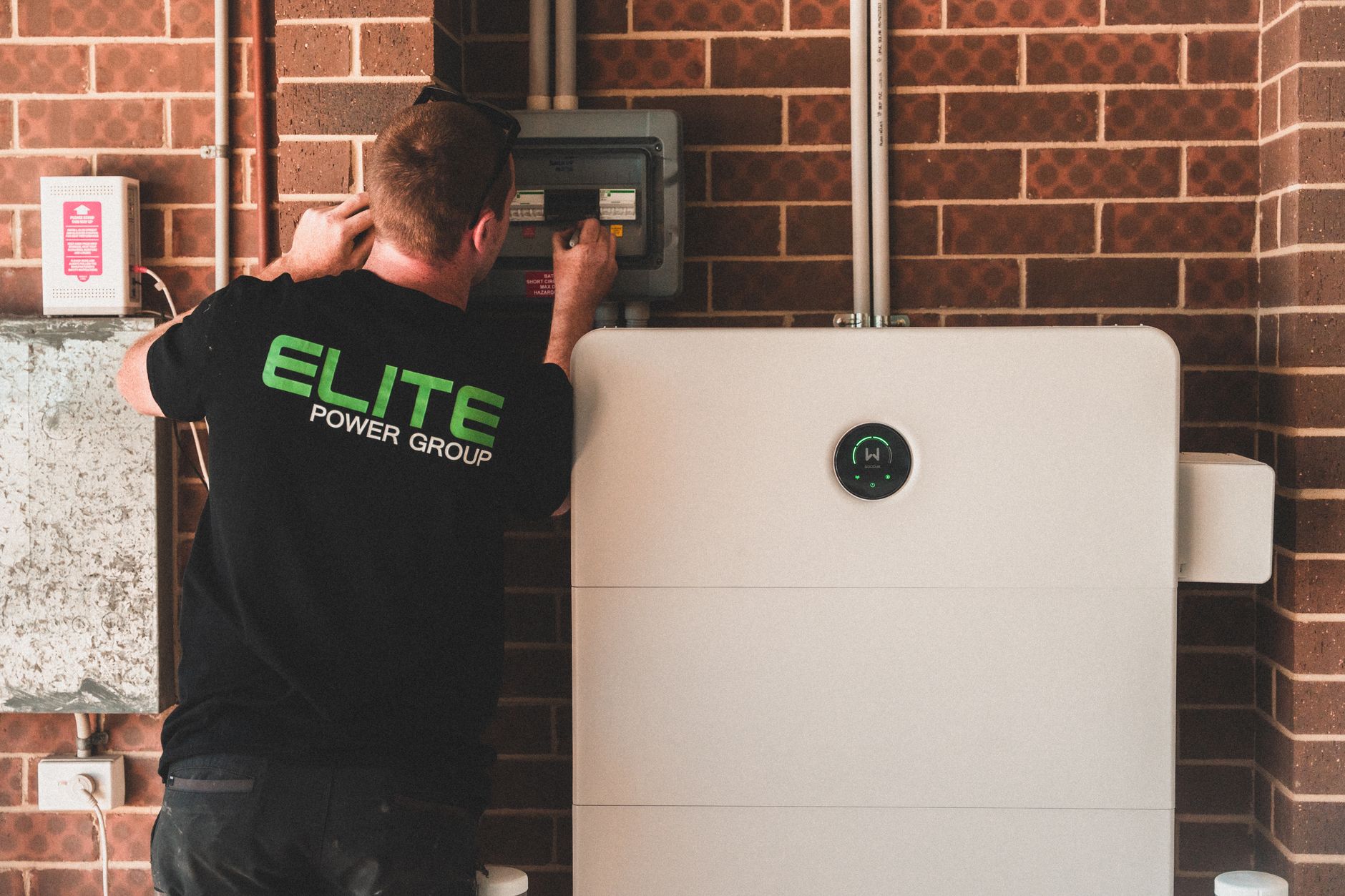
A new battery storage facility proposed for Lincoln is being positioned as a step toward greater reliability for New England’s power grid, as the region works to integrate more renewable energy sources while managing peak demand. The project reflects a broader push across the northeastern United States to deploy large-scale battery systems that can store electricity when supply is abundant and release it during periods of high demand or generation shortfalls.
Grid operators in New England have increasingly turned to battery storage as a tool to smooth out fluctuations caused by the growing share of solar and wind power on the network. Unlike traditional fossil-fuel plants, renewable sources do not produce electricity on demand, making storage capacity a critical link between generation and consumption. Proponents of the Lincoln facility argue that it would help stabilize the grid during periods of stress, reducing the risk of outages and easing pressure on existing infrastructure.
While detailed specifications of the Lincoln project, including its capacity, developer, and timeline, have not been fully disclosed, the initiative fits a pattern seen elsewhere in the region, where utilities and private developers have pursued similar storage installations to support decarbonization goals and modernize aging grid infrastructure. Local officials and energy stakeholders are expected to weigh in as the project moves through planning and regulatory review.
Relevance for Gulf Energy Markets
Although the project is confined to the New England market, it carries indirect relevance for the UAE and wider Gulf region, where governments and utilities are accelerating investment in solar power and grid-scale storage as part of long-term energy diversification strategies. The UAE has set ambitious targets for renewable energy deployment, and battery storage is increasingly viewed as essential to managing intermittency as solar capacity expands across the Emirates and neighboring GCC states.
Developments such as the Lincoln facility offer a real-world reference point for Gulf policymakers and utility planners evaluating how battery technology can be integrated into national grids. As GCC countries scale up solar projects, including large utility installations in the UAE and Saudi Arabia, the experience of markets like New England, where storage is being deployed to address similar renewable-integration challenges, could inform procurement decisions, regulatory frameworks, and partnerships with international technology providers.
The Gulf region has already seen growing interest from global battery storage manufacturers and developers seeking to establish a foothold in the Middle East, given the scale of solar buildout planned over the coming decade. Projects like the one proposed in Lincoln, even though geographically distant, contribute to a widening body of operational experience that regional utilities can draw upon as they design their own storage strategies.
As the Lincoln project advances through further review, additional details on its scale, financing, and expected completion are likely to emerge, offering clearer insight into how the facility might ultimately shape reliability outcomes for New England’s grid and offer lessons applicable to fast-growing renewable markets such as those in the UAE and broader GCC.