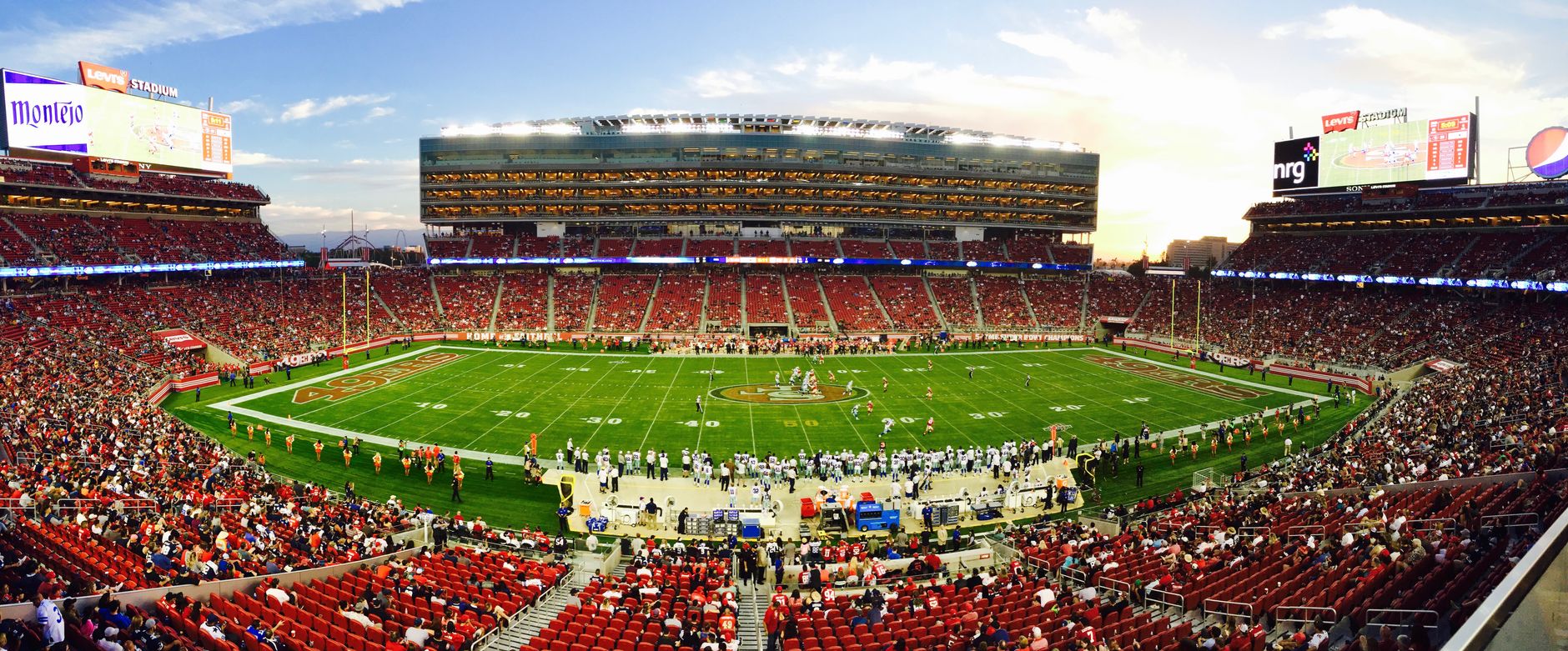
The Los Angeles Rams and San Francisco 49ers will meet this week in the National Football League’s first-ever regular-season game staged in Australia, a fixture that caps a five-year campaign by the Rams to build a foothold in the country and underscores the league’s broader push to turn one-off international fixtures into sustained overseas markets.
Rams President Kevin Demoff has been the public face of the franchise’s Australia strategy in the run-up to the game, framing it not as a novelty event but as the culmination of a long-term effort to build brand recognition, fan engagement and commercial partnerships in a market the NFL has identified as having significant growth potential. The Rams were designated as the league’s “home marketing team” for Australia, a status that has seen the club invest years of resources into local outreach before ever playing a game on Australian soil.
From exhibition to expansion strategy
The NFL has staged international games for more than a decade, with London and Mexico City hosting regular-season fixtures on a near-annual basis. Those games began largely as promotional exercises designed to test overseas appetite for American football. The Australia fixture, however, reflects a shift in approach: rather than treating international games as isolated showcases, the league is increasingly assigning specific franchises to cultivate specific territories over multiple years, mirroring strategies used by other US sports leagues and global entertainment brands entering new markets.
Under this model, teams like the Rams are expected to build local partnerships, grow youth and amateur participation in the sport, and develop media and sponsorship relationships well before a marquee game is played. Demoff’s comments ahead of the fixture emphasized that the Australia push was conceived as a multi-year commitment rather than a marketing campaign timed solely around the game itself, suggesting the league views durable fan bases—rather than one-time ticket and merchandise sales—as the real prize.
The strategy also has implications for media rights and sponsorship revenue, two of the fastest-growing components of NFL income. As the league expands its footprint into new time zones and demographics, broadcasters and commercial partners in those regions gain incentive to invest in coverage and sponsorship deals tied to teams with an established local presence, rather than treating international games as isolated content.
Relevance for Gulf sports and investment circles
While the game itself has no direct Gulf connection, the underlying strategy is one that sports executives and investors in the UAE and wider GCC have been watching closely. The region has positioned itself as a hub for international sporting events and franchise expansion, from golf and motorsport to football and combat sports, and increasingly serves as a testing ground for leagues seeking to grow audiences outside their home markets.
For UAE-based sports management professionals and investors tracking global media rights and franchise expansion models, the Rams’ approach in Australia offers a template that could inform how US leagues—NFL included—might eventually engage with Gulf markets, where sovereign wealth funds and state-linked entities have already backed major international sporting properties. The emphasis on multi-year market-building over one-off events also aligns with how Gulf-based investors typically evaluate long-term brand and infrastructure plays rather than short-term promotional deals.
The NFL has not announced further international expansion plans beyond its existing London, Mexico City and now Australia fixtures, but league officials have previously indicated interest in exploring additional markets as part of its broader globalization strategy. The outcome of the Rams-49ers game, and the reception it receives in Australia, is likely to factor into how the league calibrates future international commitments.