
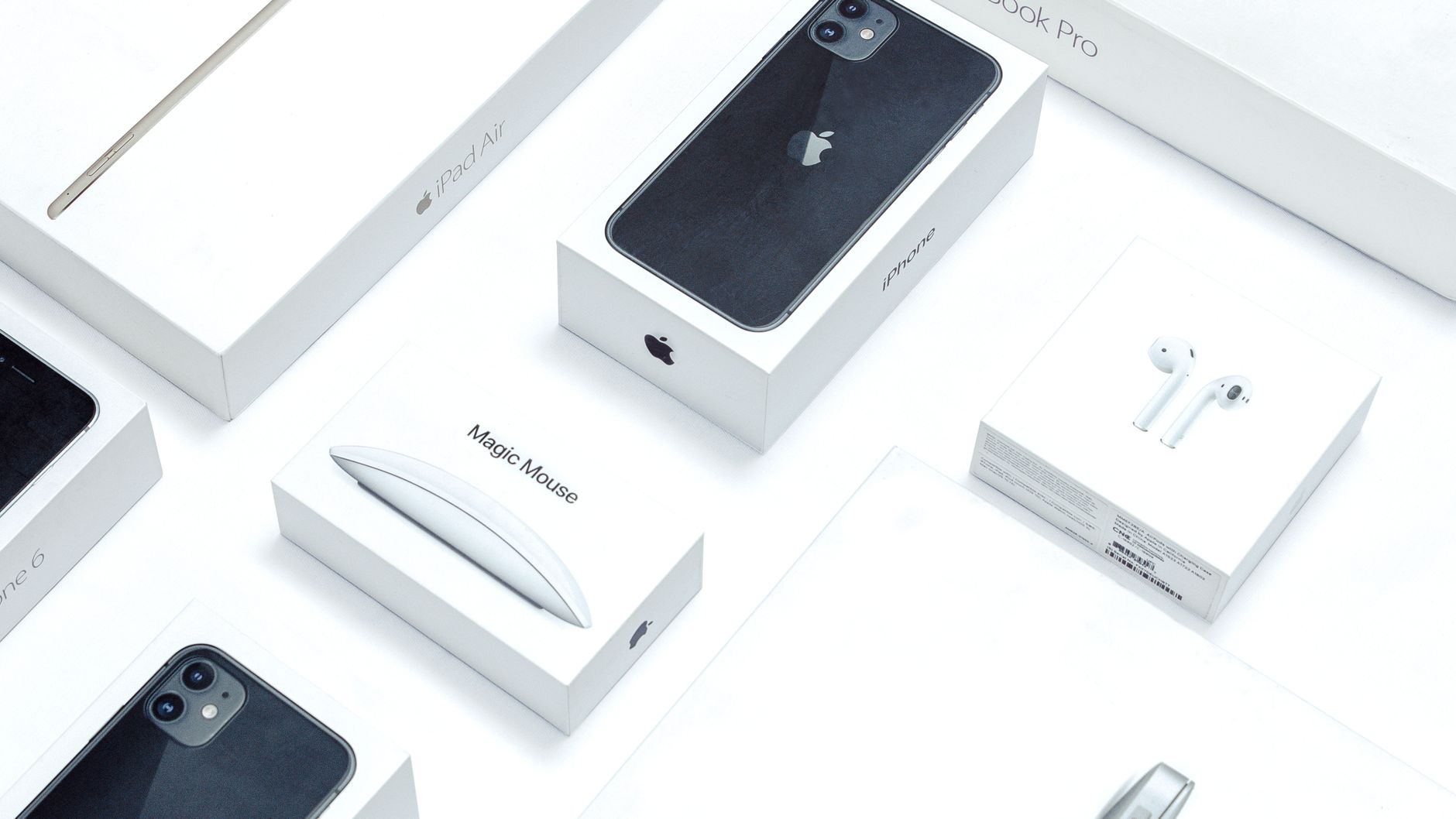
Apple’s newest iPhone offering has landed in UAE retail outlets carrying a price tag of AED 8,499 for its top-tier pairing, reigniting debate over how much Gulf consumers are willing to pay for flagship smartphones. The launch, which positions the device duo among the most expensive handsets Apple has brought to the regional market, is being closely watched by retailers and analysts as a barometer of consumer confidence heading into the final stretch of the year.
Industry watchers note that the UAE has historically been one of the strongest markets globally for premium device uptake, driven by a mix of high disposable incomes, a large expatriate population accustomed to early technology adoption, and a retail ecosystem built around instalment financing and telecom bundling. Apple’s decision to price its latest offering at the upper end of the market suggests the company continues to view the UAE as a receptive testing ground for premium pricing strategies, even as global smartphone upgrade cycles have lengthened in recent years.
As reported by Apple’s AED 8,499 iPhone Duo Puts UAE Consumers’ Appetite for Premium Devices to the Test, the pricing has prompted questions over whether shoppers in the UAE will continue to prioritise flagship devices amid a broader climate of cautious household spending, or whether the higher price point will push a segment of buyers toward mid-range alternatives or extended payment plans offered by local telecom operators and banks.
Retailers and Telecoms Brace for Demand Signals
UAE telecom operators and electronics retailers typically respond to major Apple launches with aggressive trade-in offers, no-cost instalment schemes, and bundled data packages designed to soften the upfront cost of premium devices. With the latest pricing sitting at a notably high threshold, retailers are expected to lean more heavily on financing options to sustain sales volumes, particularly among younger professionals and first-time flagship buyers who may otherwise be priced out.
The broader retail and technology sector in the UAE has also been monitoring how premium device pricing interacts with wider consumer spending patterns. Electronics remain a significant category within UAE retail, and shifts in smartphone affordability can ripple into related sectors such as accessories, insurance products, and telecom subscriptions. Analysts tracking the country’s economy point out that consumer electronics spending is often viewed as a discretionary indicator, with premium smartphone sales serving as one signal of household confidence amid ongoing inflationary pressures and currency dynamics across the Gulf.
For now, market participants say the true test will come in the weeks following the device’s availability, as sales data begins to reveal whether UAE consumers are prepared to absorb the higher price point outright or will increasingly rely on deferred payment structures. Regional distributors and carriers are expected to closely track early uptake figures, using them to calibrate marketing and financing strategies for subsequent product cycles.
Whether the pricing strategy pays off will likely depend on how effectively retailers can package the device with attractive financing, trade-in value, and telecom incentives — factors that have historically determined the success of premium smartphone launches in the UAE and wider GCC market.





