
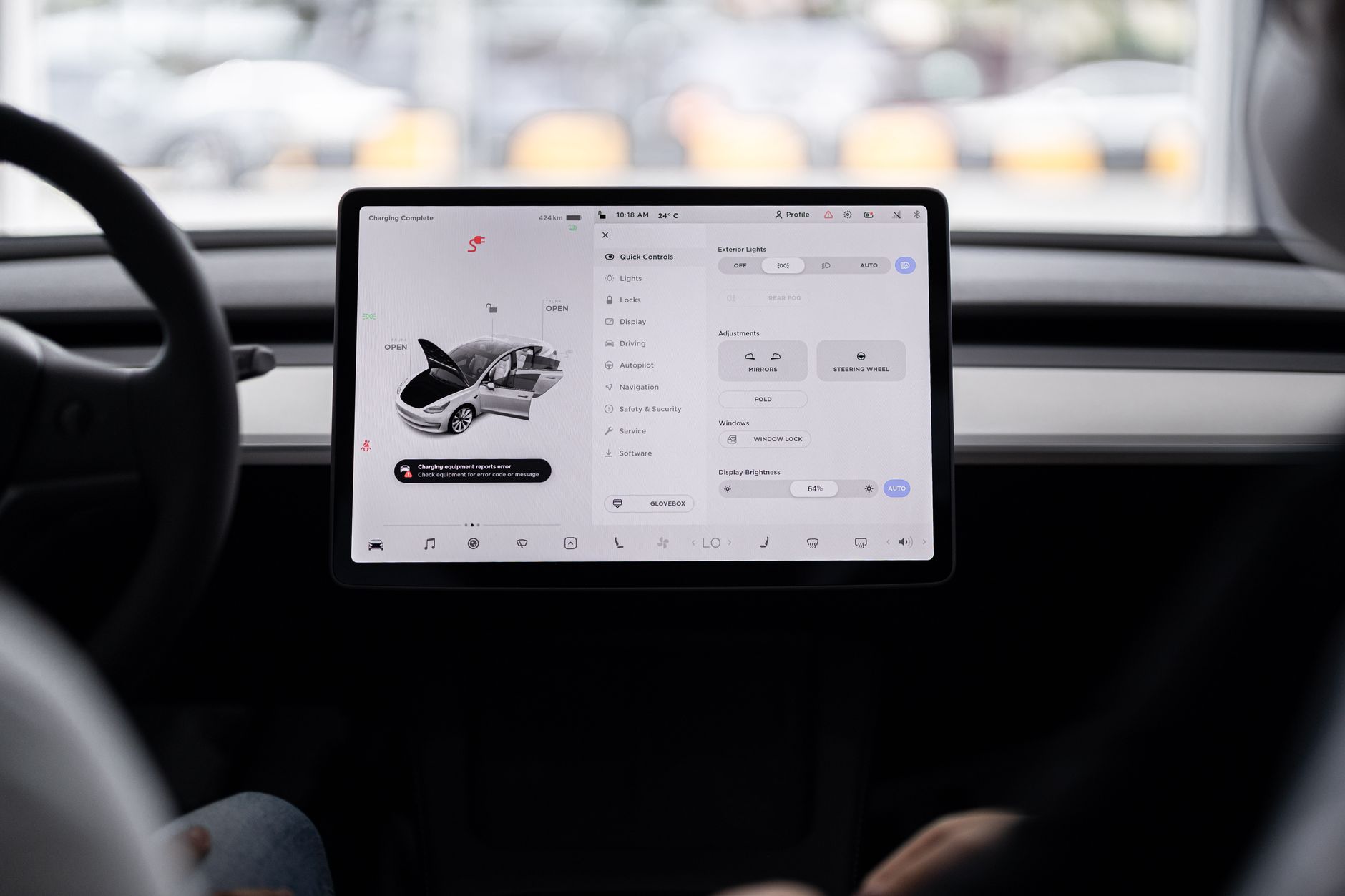
Nissan and Honda have signed a joint development agreement to standardize electronic control units, in-vehicle operating systems, middleware, and vehicle control software for the next generation of software-defined vehicles, the two Japanese automakers announced. The agreement marks a deepening of technical collaboration between the two rivals-turned-partners as the industry shifts from hardware-centric manufacturing toward software-led vehicle design.
Under the terms of the agreement, Nissan and Honda will work to build common platforms across their respective vehicle lineups rather than continuing to develop separate, proprietary software stacks. By consolidating core architecture such as ECUs and middleware, the companies aim to cut development costs and reduce the complexity that comes with maintaining parallel systems for similar functions.
Software-defined vehicles, in which a car’s features, performance, and even driving characteristics are governed largely by software rather than fixed hardware, have become a central battleground in the global auto industry. Manufacturers that can update vehicle capabilities remotely, integrate advanced driver-assistance functions, and manage complex electronic systems efficiently are seen as better positioned to compete as vehicles grow more autonomous and connected. Standardizing the underlying software layers allows automakers to roll out updates and new features across multiple models without redesigning core systems for each one, a capability increasingly viewed as essential for staying competitive.
For Nissan and Honda, the agreement is expected to streamline not just development but also production, ongoing maintenance, and over-the-air updates for future models built on the shared architecture. Neither company detailed a timeline for when vehicles incorporating the standardized systems would reach production, but the move fits a broader pattern of cost-sharing arrangements among global automakers as they contend with the capital intensity of electrification and autonomous-driving research.
Why the Partnership Matters for Gulf Markets
While the announcement did not outline specific implications for the UAE or wider GCC region, the development carries indirect relevance for Gulf consumers and businesses. Japanese automakers, including Nissan and Honda, maintain extensive dealership and service networks across the UAE, Saudi Arabia, and other Gulf states, where Japanese vehicle brands have traditionally held a strong share of the passenger and commercial vehicle market.
Any shift toward standardized software-defined vehicle platforms is likely to eventually filter through to models sold in the region, potentially affecting everything from infotainment systems to the pace at which new safety and connectivity features become available to Gulf buyers. As governments across the UAE and Saudi Arabia push forward with smart mobility and autonomous vehicle pilot programs as part of broader economic diversification strategies, the underlying software architecture of vehicles entering these markets is becoming an increasingly relevant factor for regulators, fleet operators, and consumers alike.
The Nissan-Honda tie-up also reflects a wider trend of automotive consolidation driven by the high costs of developing electric and autonomous vehicle technology, a trend that Gulf-based automotive distributors and investors are watching closely given the region’s growing appetite for electric vehicles and its ambitions to position itself as a hub for future mobility technologies. As global manufacturers pool resources to manage the financial burden of this transition, the resulting efficiencies could eventually translate into a broader range of technologically advanced vehicles reaching Gulf showrooms at competitive costs.





