
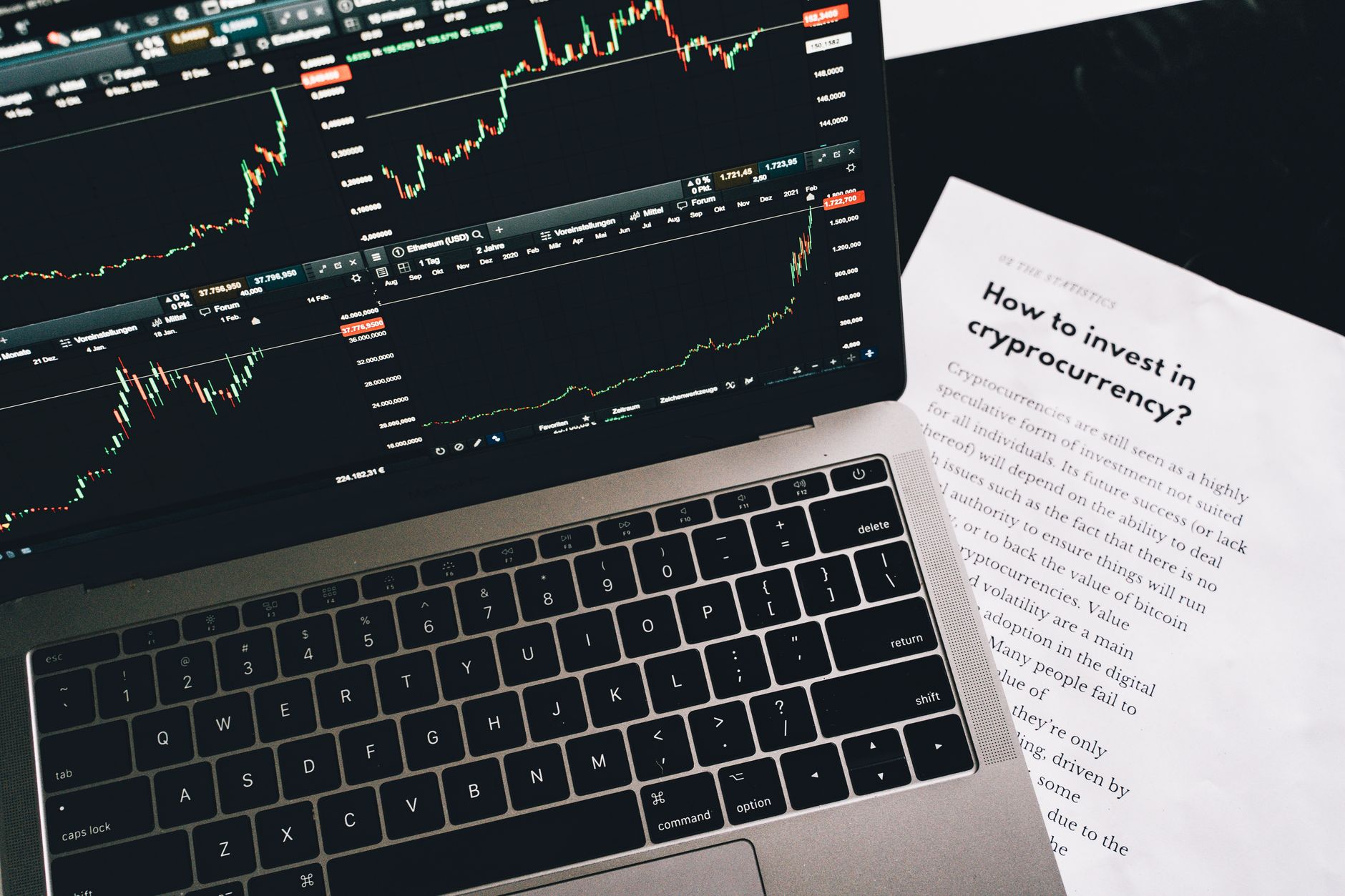
Cryptocurrency exchange BingX has announced plans to broaden its platform beyond digital assets, positioning itself as a multi-asset trading venue intended to give users access to a wider range of global markets. The move reflects a broader shift among crypto-native exchanges seeking to diversify their offerings as competition intensifies and investor demand shifts toward platforms that can serve as a single access point for multiple types of financial instruments.
According to the announcement, which was first reported in an article titled BingX Evolves into a Multi-Asset Trading Platform, Connecting Users to Global Opportunities, the exchange is repositioning itself to connect users with a broader set of trading opportunities beyond its original cryptocurrency-focused model. While the announcement does not lay out a full breakdown of every asset class or the exact rollout schedule, the strategic direction signals an ambition to compete with larger, more diversified trading platforms that already offer access to instruments such as equities, commodities, and foreign exchange alongside digital assets.
A Shift Reshaping Crypto Exchanges Globally
The pivot toward multi-asset trading is not unique to BingX. Exchanges that built their early user base around Bitcoin, Ethereum, and other digital tokens have increasingly looked to expand their product suites, partly in response to periods of volatility in crypto markets and partly to meet demand from traders who want to manage diversified portfolios without switching between multiple platforms. By offering access to a broader spectrum of markets, exchanges aim to retain users who might otherwise turn to traditional brokerages or specialized trading apps for non-crypto investments.
This trend carries implications for the wider economy, as the convergence of crypto and traditional finance continues to blur the lines between digital-asset trading and mainstream investment services. Analysts have long pointed to this convergence as a signal that crypto exchanges are maturing into more comprehensive financial platforms, rather than remaining niche venues solely for digital token trading. For retail and institutional investors alike, the appeal lies in consolidation — the ability to manage varied holdings through a single interface, potentially reducing friction and costs associated with using multiple trading services.
Relevance for UAE and Gulf Investors
The expansion is of particular interest to investors in the UAE and wider Gulf region, where interest in cryptocurrency and digital-asset trading has grown steadily in recent years. The UAE has positioned itself as a regional hub for virtual-asset activity, with regulatory bodies such as the Virtual Assets Regulatory Authority in Dubai and frameworks established within the Abu Dhabi Global Market working to create clearer oversight for exchanges and trading platforms operating in or serving the region. As global exchanges like BingX broaden their offerings, Gulf-based traders may find themselves presented with more options for accessing international markets through platforms that already have a foothold in the crypto space.
For UAE and GCC residents who have built familiarity with digital-asset trading, a shift toward multi-asset platforms could mean broader exposure to global opportunities without necessarily needing separate accounts with traditional brokerages. This is particularly relevant given the region’s large expatriate population, many of whom actively seek diversified investment channels that can be managed remotely and across borders.
At the same time, regional regulators and financial-literacy advocates have consistently urged caution among retail investors engaging with platforms that combine multiple asset classes, given the varying risk profiles of instruments such as cryptocurrencies compared with more traditional securities. As BingX and similar platforms continue to evolve their offerings, market watchers in the Gulf are expected to monitor how such expansions align with existing regional compliance requirements and investor-protection standards, particularly as authorities in the UAE continue refining their approach to virtual-asset oversight.





