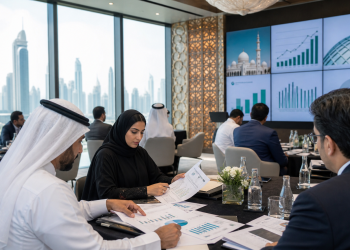
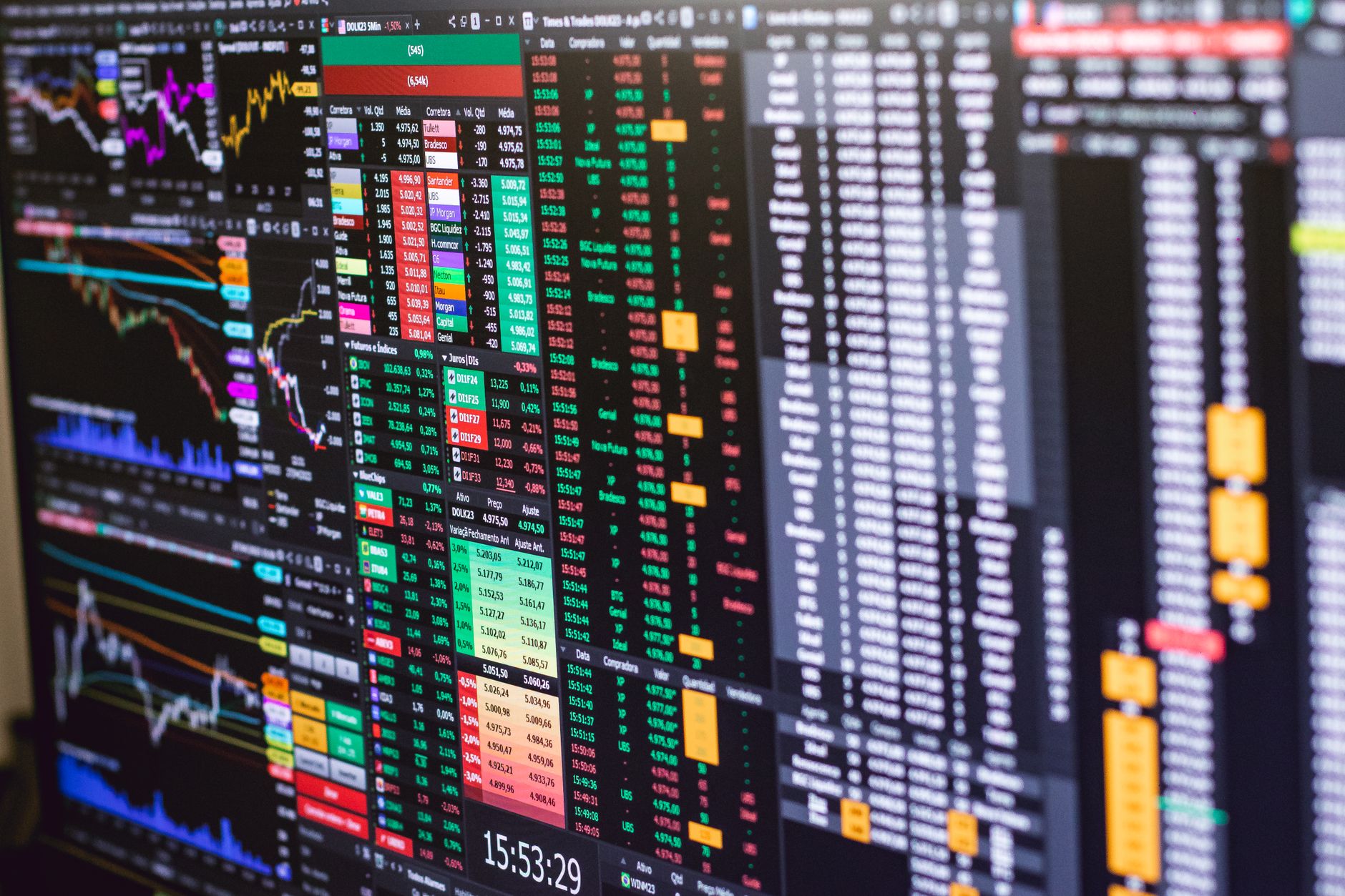
Investors across the UAE and wider Gulf region are continuing to recalibrate their portfolios as global markets adjust to a mix of monetary policy shifts, geopolitical uncertainty and evolving energy dynamics. While no single catalyst has dominated recent trading sessions, market participants in Abu Dhabi, Dubai and other regional financial centres say the broader mood remains one of cautious engagement rather than retreat, with capital continuing to flow into sectors seen as resilient to short-term volatility.
Fund managers and private wealth advisers operating in the Emirates note that diversification remains the dominant theme this year, as institutional and retail investors alike weigh exposure across equities, fixed income, real estate and alternative assets. The UAE’s positioning as a regional hub for both regional and international capital has meant that shifts in global sentiment tend to be felt quickly in local markets, even when the underlying drivers originate far from the Gulf.
Regional Hubs Reinforce Their Role
Abu Dhabi and Dubai have in recent years built out regulatory frameworks, free zones and financial infrastructure intended to attract both institutional capital and high-net-worth individuals relocating from other jurisdictions. That groundwork continues to shape how global economic developments are absorbed locally, with analysts pointing to sustained interest from family offices, sovereign-linked entities and private equity players seeking stable, well-regulated environments for deploying capital.
For everyday investors, expatriates and businesses across the UAE and broader GCC, these dynamics matter because shifts in global capital flows can influence everything from borrowing costs and currency stability to the pricing of real estate and the performance of locally listed companies. Analysts tracking the broader investment picture note that Gulf markets, long buoyed by energy revenues and sovereign wealth reserves, are increasingly judged on the same metrics as other global financial centres — transparency, liquidity and the ease of doing business — as they compete for a share of mobile international capital.
Policymakers in the region have also emphasised economic diversification away from hydrocarbons, a push that continues to shape investment priorities in technology, logistics, tourism and renewable energy. That strategic pivot means decisions made by global central banks and multinational investors are watched closely not just for their immediate market impact, but for what they signal about longer-term capital allocation trends affecting non-oil sectors the UAE has prioritised for growth.
Market observers caution that conditions remain fluid, with interest rate trajectories, currency movements and geopolitical developments all capable of altering investor appetite in the near term. Even so, the consensus among regional analysts is that the UAE’s financial ecosystem — anchored by its stock exchanges, growing fintech sector and expanding base of asset managers — is better positioned than in previous cycles to absorb external shocks without significant disruption to day-to-day market functioning.
For businesses and individuals across the Emirates, the practical takeaway is one of vigilance rather than alarm. Advisers continue to recommend diversified strategies that account for both global uncertainty and the structural advantages the UAE and its neighbours offer, including tax-efficient structures, stable currencies pegged to the US dollar, and continued government investment in infrastructure designed to support long-term economic resilience.
As further data and policy signals emerge in the coming weeks, regional investors are expected to continue adjusting allocations incrementally, reflecting a broader global pattern of measured responses rather than dramatic repositioning, even as the underlying uncertainties that have defined recent market conditions show few signs of resolving quickly.