Investors across the UAE and the wider Gulf region are continuing to recalibrate their strategies as global capital markets adjust to a mix of monetary policy shifts, geopolitical uncertainty, and evolving appetite for alternative assets. While no single catalyst has dominated headlines this week, market participants in Abu Dhabi, Dubai, and across the GCC say the broader environment remains one of cautious opportunism, with sovereign wealth funds and private investors alike weighing where to deploy capital next.
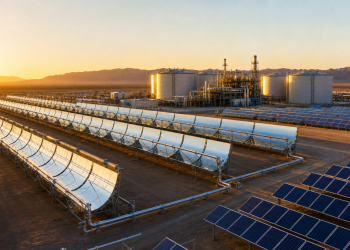
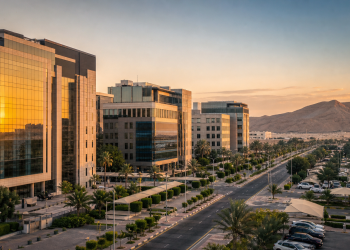
Regional financial hubs have positioned themselves as beneficiaries of this uncertainty, drawing interest from international firms seeking jurisdictions with regulatory clarity, tax efficiency, and proximity to both Asian and European markets. Analysts note that the UAE’s push to diversify its economy away from hydrocarbons has made it a focal point for capital seeking exposure to technology, renewable energy, and infrastructure projects, sectors that continue to attract both domestic and foreign institutional money.
Diversification Remains the Dominant Theme
Across the Gulf, the broader investment picture continues to be shaped by efforts to reduce reliance on oil revenues and build more resilient, knowledge-based economies. Sovereign wealth funds based in the UAE, Saudi Arabia, and Qatar have steadily expanded their footprints in global private equity, venture capital, and real estate, while also channeling resources into domestic priorities such as artificial intelligence, logistics, and clean energy.
This dual strategy, balancing outbound allocations with inbound development, has made Gulf capital pools among the most closely watched in global finance. For UAE-based investors and expatriate professionals managing portfolios in the region, the implications are tangible: greater access to diversified investment vehicles, a growing number of regulated funds catering to both institutional and retail participants, and an expanding menu of opportunities tied to the region’s long-term economic transformation plans.
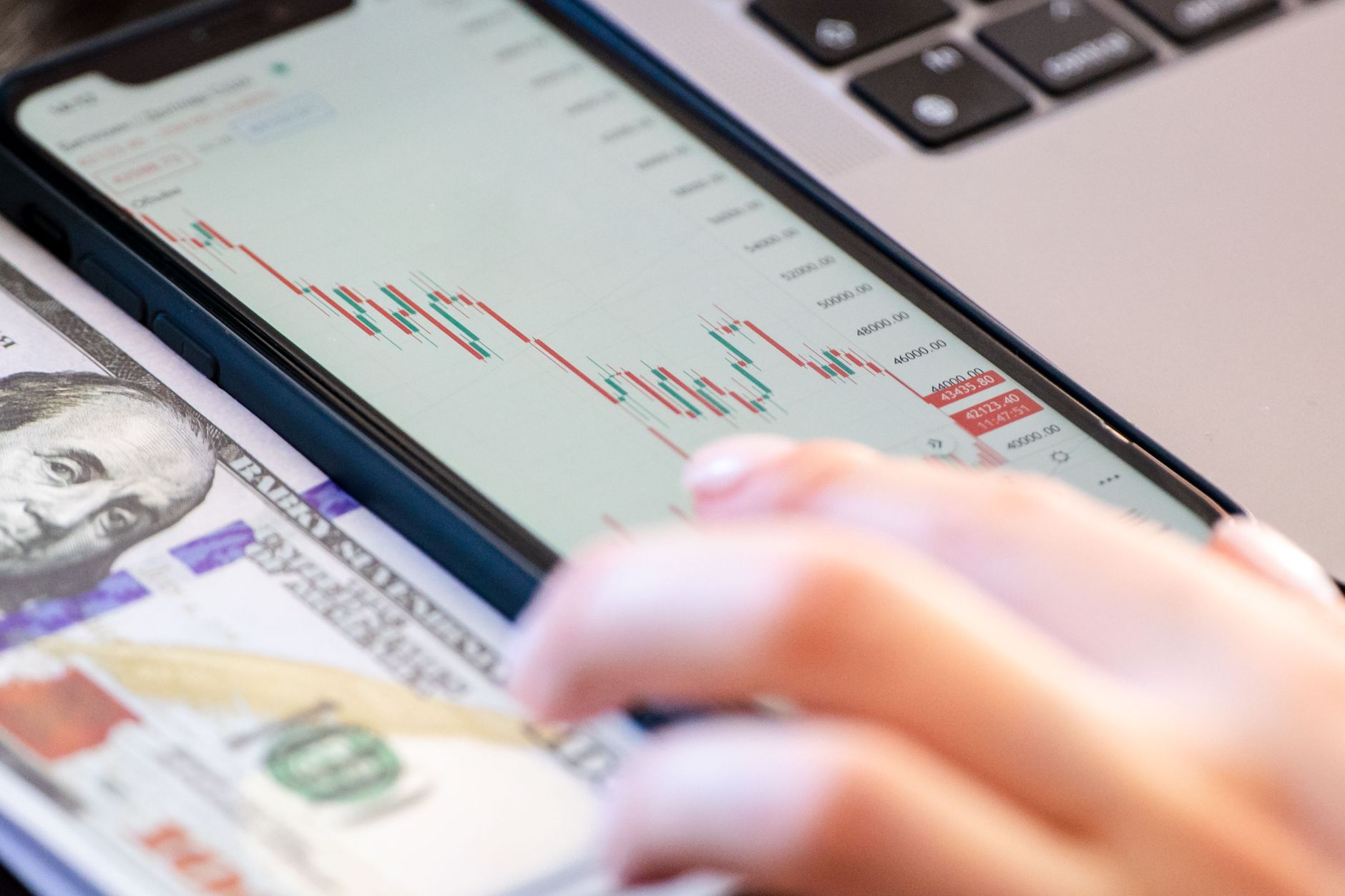
Market observers caution that volatility in global interest rates and currency markets could still introduce short-term turbulence, even as the medium-term outlook for Gulf-based investment platforms remains constructive. For now, the region’s financial centers continue to position themselves as stable, well-regulated alternatives for capital seeking both growth and resilience amid a complex international backdrop.
As policymakers and institutional investors in the UAE and across the GCC continue to refine their approach, the coming months are likely to bring further clarity on how regional capital will be allocated across emerging sectors, with technology, sustainability, and infrastructure expected to remain central themes for investors tracking the Gulf’s economic trajectory.