
If you’re trusting a wealth advisor with your money in the UAE, you’ll want to know this one. The Dubai Financial Services Authority (DFSA) has just fined Vault Wealth Limited (VWL) USD 109,200, which works out to AED 401,000, for giving financial advice in Dubai without the proper licence.
The case is a reminder that where a company is registered matters just as much as what it actually does on the ground. And for everyday investors, it’s a useful lesson in checking credentials before signing up with any advisor.
What went wrong for this Dubai-based investment firm?
VWL is actually registered in the Abu Dhabi Global Market (ADGM), where it holds a licence from the Financial Services Regulatory Authority (FSRA). That licence lets it offer services like investment advice and arranging deals in investments, but only within ADGM’s jurisdiction.
The problem is that VWL’s staff didn’t stay in Abu Dhabi. Between February and May 2024, VWL employees were working out of the Dubai International Financial Centre (DIFC), using the offices of a related company called Vault Technology Limited. That entity wasn’t regulated by the DFSA either.
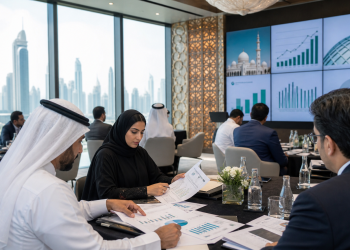
During this period, people were invited into the DIFC office, where VWL staff gave financial advice and helped them open accounts on an investment platform. Clients even handed over their know-your-customer documents, the standard paperwork used to verify identity before opening an investment account.
That’s where things crossed a line. The DFSA found VWL had breached Article 41(1) of the Regulatory Law 2004, which bans anyone from offering financial services in or from DIFC without DFSA authorisation. Specifically, the regulator flagged two services: advising on financial products and arranging deals in investments, both done without the DFSA’s sign-off.
Why the penalty was reduced, and what it means for you
The original fine was set at USD 156,000 (AED 573,000). But VWL agreed to settle the matter with the DFSA, which triggered an automatic 30% reduction, bringing the final penalty down to USD 109,200 (AED 401,000).
This kind of discount for early settlement is standard practice among regulators. It rewards companies that cooperate quickly rather than dragging out an investigation, and it’s something worth knowing if you ever follow enforcement news in the region’s financial hubs.
For residents and investors across the UAE and wider GCC, the bigger takeaway is about jurisdiction. The UAE has multiple financial free zones, including DIFC in Dubai and ADGM in Abu Dhabi, and each one has its own regulator with its own licensing rules. A company authorised in one zone cannot simply operate the same way in another without separate approval.
That distinction isn’t just red tape. It exists so that anyone offering you financial advice, whether it’s about stocks, funds, or credit products, is actually accountable to the right regulator for where the conversation is happening. If something goes wrong, you need to know which authority can actually step in and help you.
So before you hand over your KYC documents or let an advisor open an investment account for you, it’s worth asking a simple question: is this firm licensed for the emirate you’re sitting in? A quick check with the DFSA or FSRA registers can save you a lot of trouble later. You can find more coverage like this in our investment news section, where we track how regulators across the UAE are keeping markets accountable.
Going forward, expect the DFSA and FSRA to keep a closer eye on firms that operate across both DIFC and ADGM, especially those with related entities working across borders inside the UAE itself. This case, reported by WAM, shows regulators are willing to act even when the breach lasted just a few months.