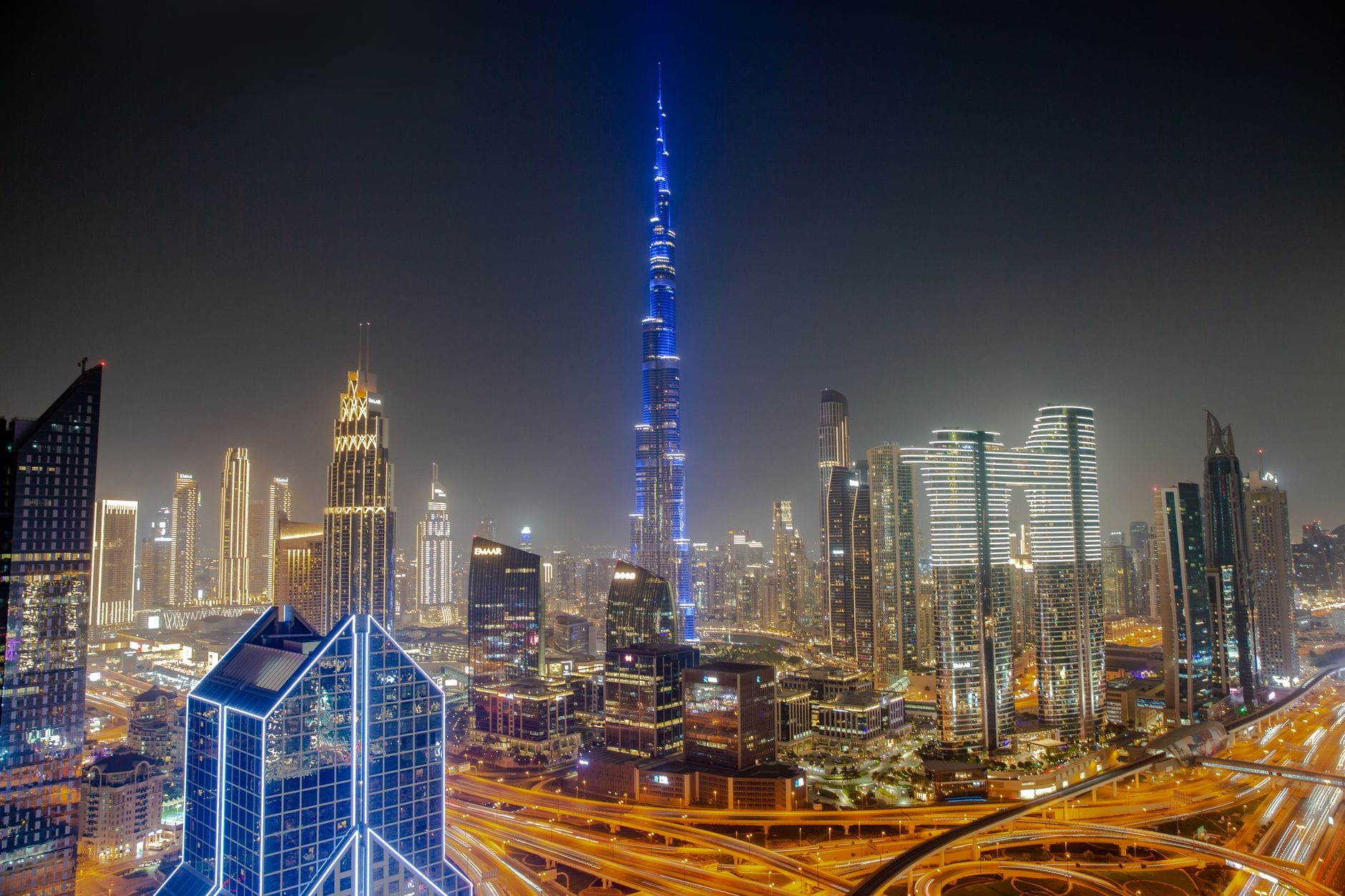
Economies across the United Arab Emirates and the wider Gulf Cooperation Council continue to navigate a global landscape marked by shifting energy demand, evolving trade patterns and monetary policy adjustments in major economies. Policymakers in the region have maintained a steady focus on reducing dependence on hydrocarbon revenues, a strategy that has shaped budget planning, investment flows and business activity across the six-member bloc in recent years.
The UAE, along with Saudi Arabia, Qatar, Kuwait, Bahrain and Oman, has positioned non-oil sectors such as tourism, logistics, financial services, manufacturing and technology as pillars of long-term growth. Government-backed initiatives in these areas have aimed to attract foreign direct investment, support small and medium enterprises, and expand the role of free zones and special economic areas that have become central to the region’s commercial appeal.
Regional Diversification Efforts Draw Investor Attention
Analysts tracking the Gulf’s economic trajectory point to sustained interest from international investors in sectors ranging from renewable energy to digital infrastructure. Sovereign wealth funds based in the UAE and Saudi Arabia, among the largest in the world, have continued to allocate capital toward diversified portfolios spanning technology, real estate and industrial assets, both within the region and internationally.
Currency stability, underpinned by pegs to the US dollar in most GCC states, has provided a degree of predictability for businesses and investors even as global central banks adjust interest rates in response to inflationary pressures. This stability has been cited by regional officials as a key factor supporting investor confidence, alongside continued government spending on infrastructure projects tied to national development plans such as the UAE’s economic strategies and Saudi Arabia’s Vision 2030 program.
Trade relationships have also been a focus, with Gulf states pursuing expanded economic partnerships across Asia, Africa and Europe. Officials in the UAE have repeatedly emphasized the country’s role as a logistics and trade hub connecting East and West, leveraging ports, airports and free zone ecosystems that have attracted multinational companies seeking regional headquarters.
For businesses and investors in the UAE and across the GCC, the broader economic narrative remains one of cautious optimism, with regional governments continuing to signal commitment to fiscal discipline, private sector growth and reduced reliance on oil revenues as global market conditions evolve. Market participants are expected to watch upcoming policy announcements, budget disclosures and sector-specific data releases for further indications of how the region’s diversification agenda is progressing amid ongoing global economic headwinds.
As international attention on the Gulf’s economic model continues, stakeholders across banking, energy, technology and trade sectors are likely to closely monitor how UAE and GCC authorities balance growth ambitions with prudent fiscal management in the months ahead.