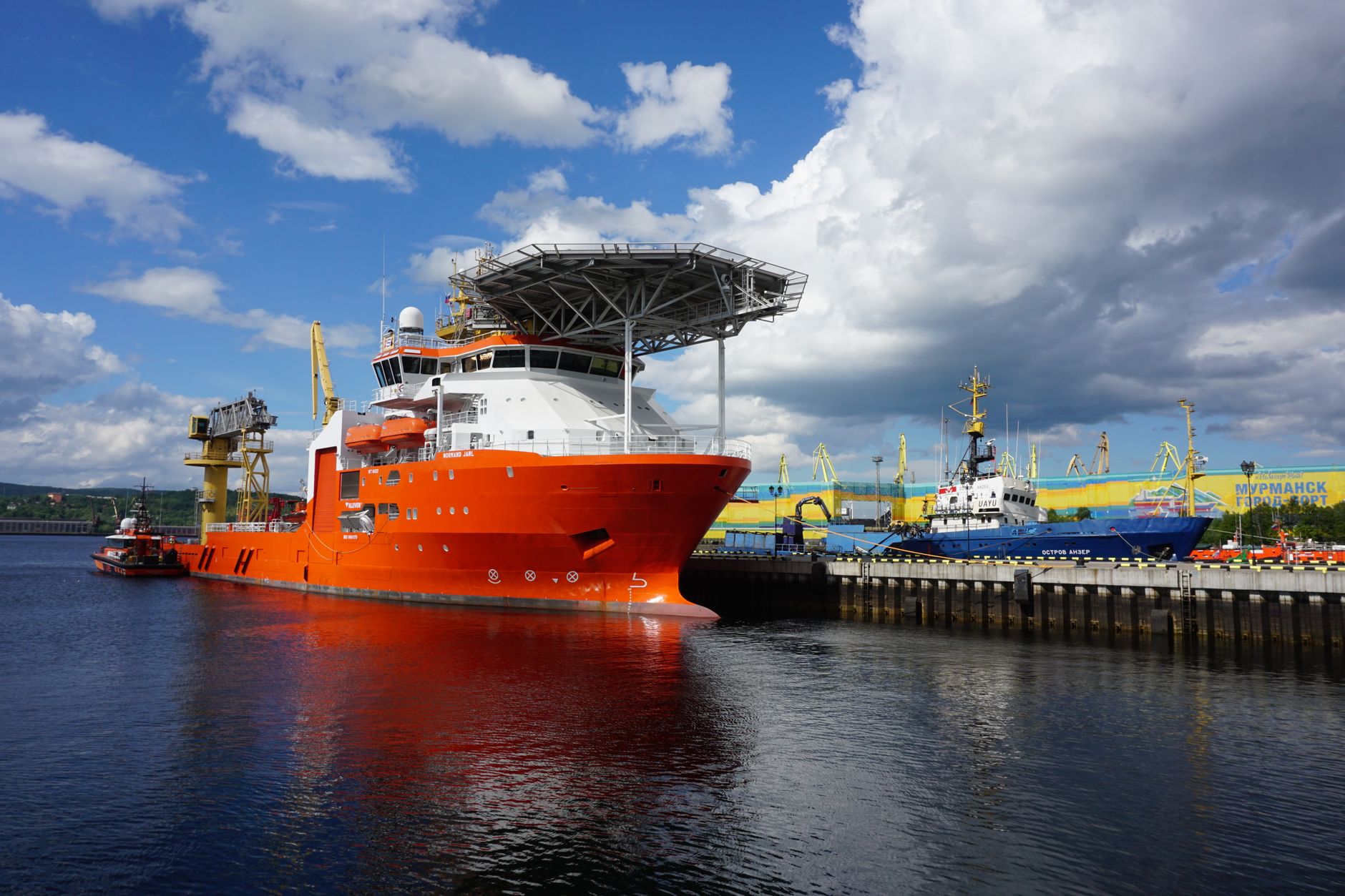
DUBAI — Grandweld Shipbuilders has secured a contract to construct two offshore support vessels for Bahri Logistics, a subsidiary of Saudi Arabia’s national shipping carrier Bahri, in a deal that underscores Dubai Maritime City’s growing role as a shipbuilding hub for Gulf energy logistics. The vessels will be built at Grandweld’s Dubai shipyard before deployment at Ras Tanura port, one of Saudi Arabia’s principal oil export terminals on the Arabian Gulf.
Dubai Shipbuilding Wins Regional Energy Contracts
The agreement adds to a string of orders Grandweld has secured from Gulf operators in recent years, reinforcing Dubai’s position as a preferred construction site for offshore support vessels serving Saudi Arabia’s oil and gas sector. Bahri, which is majority-owned by the Public Investment Fund, operates one of the largest tanker fleets globally and has been expanding its logistics arm to support domestic energy infrastructure, including operations at Ras Tanura.
For UAE shipyards, the deal signals continued demand from Saudi state-linked entities despite Riyadh’s own push to localize industrial capacity under Vision 2030. Grandweld’s ability to win the contract over Saudi-based facilities suggests UAE shipbuilders retain a cost and delivery-time advantage for certain vessel classes, even as competition from Saudi Arabia’s expanding maritime industry, including the International Maritime Industries complex in Ras Al Khair, intensifies.
Implications for UAE Maritime Investors
The contract offers a data point for investors tracking the UAE’s marine engineering and fabrication sector, which has benefited from steady offshore and support-vessel orders tied to regional energy production. Dubai Maritime City, developed as a dedicated cluster for shipbuilding, repair and marine services, continues to attract cross-border contracts that reinforce the emirate’s positioning as a logistics and industrial services base for GCC energy majors.
Executives in the UAE’s maritime and industrial services space are likely to view the deal as evidence that intra-Gulf supply chains for offshore support vessels remain integrated, with Saudi operators sourcing specialized construction from Dubai rather than exclusively from domestic yards. Terms of the contract, including value and delivery timeline, were not disclosed by either party.