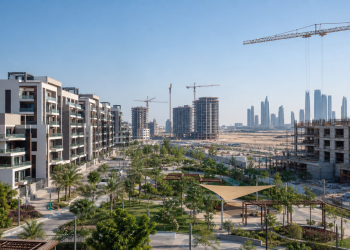
If you’re renting a shared flat in Dubai, or you own one, new rules just landed that could change how your building is run. Dubai Municipality has rolled out fresh regulations banning families and individuals from living inside the same residential unit, and the rules come with a one-year deadline for landlords to get compliant.
The changes sit under Law No. 4 of 2026, which governs how shared housing is occupied and managed across the emirate. It came into force in August, and property owners now have until next year to bring their units in line with the new standards.
What’s changing for shared housing in Dubai?
The core rule is simple: no more mixing. Each shared residential unit must be set aside for either families or individuals, never both. So if you’re sharing a flat with roommates, the building can’t also have families living down the hall in the same unit setup.
Space requirements are getting tighter too. Every bedroom must offer at least five square metres per occupant, and there has to be one full bathroom for every four residents. Families get an extra layer of privacy, since each family must have its own bedroom paired with its own private bathroom.
There’s also a location rule worth knowing about. Shared accommodation for individuals is now barred from major roads in tourism-heavy zones, which signals the municipality wants to keep certain high-traffic, visitor-facing streets looking a certain way.
For landlords and property managers, this isn’t just paperwork. It means reassessing layouts, possibly reallocating tenants, and checking whether existing bathroom-to-resident ratios actually meet the new minimum. Anyone active in real estate news across the UAE will recognise this as part of a broader push to tighten standards around shared and affordable housing, a segment that houses a huge chunk of Dubai’s working population.
Why this matters if you rent, own or manage property in Dubai
For tenants, the upside could be more breathing room, literally. Minimum space per person and guaranteed bathroom access are basic quality-of-life upgrades that many shared units currently skip. If you’re a single professional sharing a flat with others, you might end up with clearer rules protecting your space going forward.
For families currently living in mixed shared setups, the new law effectively guarantees a private bedroom and bathroom, which could mean more security and less awkward cohabitation with unrelated individuals.
For landlords, this is where it gets real. A one-year compliance window sounds generous, but reconfiguring a building, especially one that currently mixes family and individual tenants, isn’t always quick or cheap. Owners may need to decide whether to convert entire buildings to one category only, invest in bathroom upgrades, or risk falling foul of the rules once enforcement kicks in.
Investors eyeing shared housing as a yield play should also take note. Properties in designated tourism-road zones may face restrictions on housing individuals, which could affect where new shared accommodation projects get built or expanded. This is the kind of regulatory shift that reshapes which buildings are attractive for this type of investment and which aren’t.
As reported by Gulf News, the rules apply across the emirate’s shared housing establishments, covering families, individuals and the landlords who manage them.
What to watch next: how strictly Dubai Municipality enforces the one-year compliance deadline, and whether more details emerge on which specific tourism roads are off-limits for individual shared housing. Landlords with mixed-occupancy buildings would be wise to start reviewing their setups now rather than waiting for the clock to run out.