
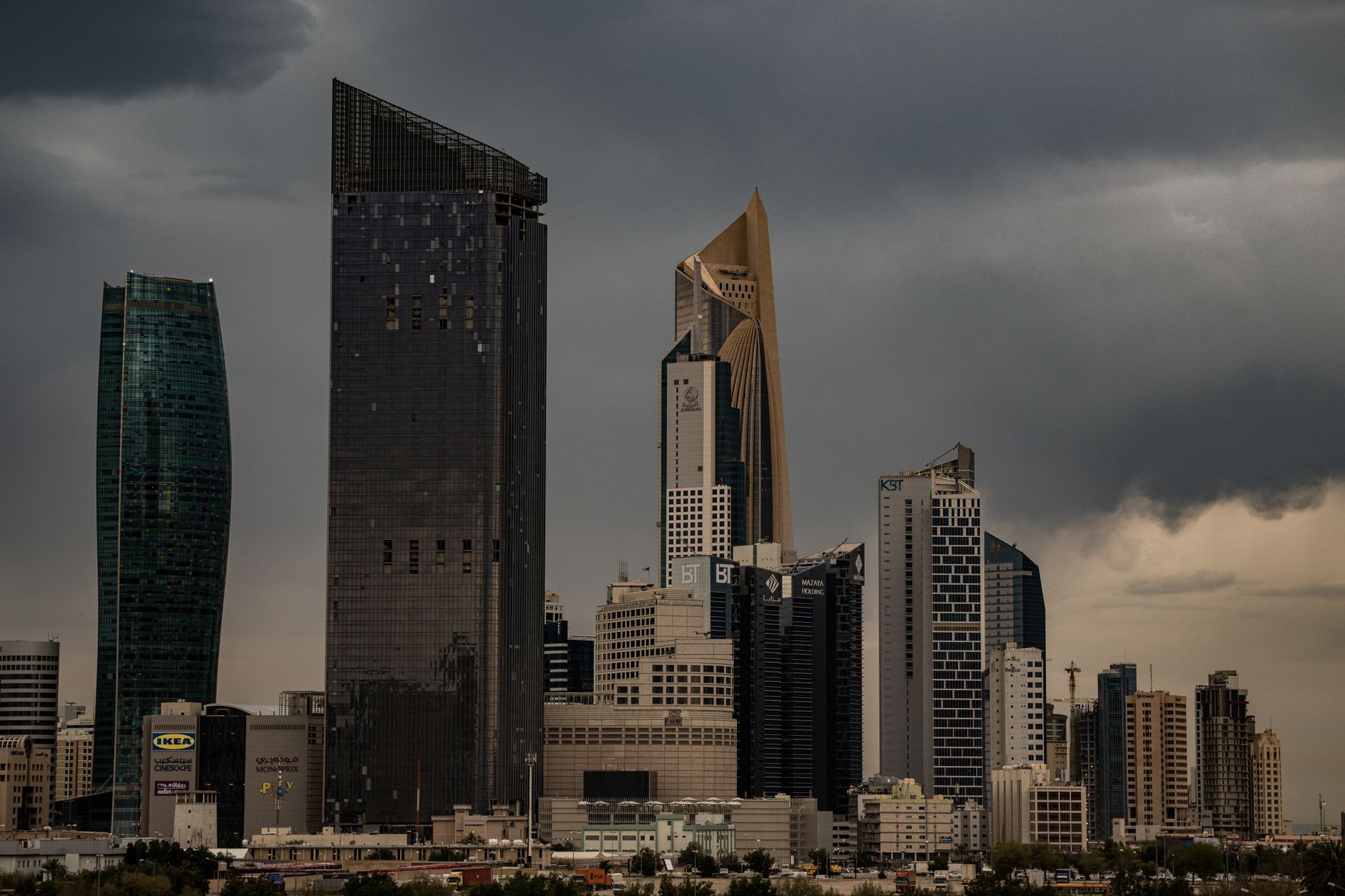
Kuwaiti banks are drawing on years of accumulated capital buffers and liquidity reserves to keep credit flowing through the economy, even as regional tensions tied to the Iran conflict cloud the broader Gulf outlook. Bankers and regulators in the country say the sector’s balance sheets remain strong enough to absorb external shocks without disrupting lending to businesses and households, a resilience that analysts attribute largely to prudential rules put in place during earlier oil-boom cycles.
The Central Bank of Kuwait and other financial regulators have moved quickly to introduce easing measures aimed at giving lenders more operational flexibility during the period of uncertainty. The steps are widely read as a signal that policymakers are prepared to act preemptively to protect banking sector stability rather than wait for stress to build, reinforcing confidence among depositors, corporate borrowers and investors alike.
Capital Buffers Cushion Regional Shocks
Kuwait’s banking system has long been characterised by conservative capital adequacy ratios and comparatively high liquidity coverage compared with international peers, a legacy of regulatory frameworks built up during years of strong oil revenues. That cushioning is now being tested by geopolitical instability stemming from tensions involving Iran, which has periodically rattled investor sentiment across the Gulf and raised concerns about capital flight, currency pressure and disrupted trade flows.
So far, Kuwaiti lenders appear to be weathering the pressure without curtailing credit. Continued lending activity suggests that banks are not resorting to the kind of defensive tightening that can choke off business investment and consumer spending during periods of regional stress. Analysts note that this steady credit flow is itself a sign of underlying strength, since credit crunches driven by panic or liquidity hoarding are often the first visible symptom of banking distress in emerging and frontier markets.
Kuwait’s approach is being watched closely elsewhere in the Gulf Cooperation Council, where lenders face broadly similar exposure to regional geopolitical risk. Banking systems across the GCC have, over the past decade, been encouraged by regulators to build up capital and liquidity buffers well above international minimum requirements, partly in anticipation of exactly this kind of stress scenario. Kuwait’s experience is being cited as evidence that these buffers can function as intended, allowing banks to keep serving their economies even when headlines turn negative.
Ratings Agencies Point to Sovereign Support
Major international credit rating agencies have continued to express confidence in Kuwaiti banks despite the regional backdrop, with their assessments reflecting expectations that the government would step in to support the financial system if conditions were to deteriorate further. That implicit sovereign backstop, built on Kuwait’s substantial oil wealth and sovereign reserves, remains a central pillar of market confidence in the sector.
The expectation of state support is not merely theoretical. Kuwait has a track record of intervening to stabilise its financial system during past periods of crisis, and that history continues to shape how investors and rating agencies price risk in the country’s banking sector today. For depositors and corporate clients, this dynamic offers a degree of reassurance that extends beyond the individual balance sheets of banks to the broader credibility of the state itself.
For the wider Gulf region, Kuwait’s handling of the current episode carries broader relevance. GCC economies remain closely watched by international investors for signs of how exposed local financial systems are to instability originating from Iran-related tensions, given the strategic importance of Gulf waterways to global energy and trade flows. A banking sector that can maintain lending discipline and credit continuity through such episodes offers a reference point for regulators and lenders across the region, including in the UAE, as they calibrate their own contingency planning against similar geopolitical risks.





