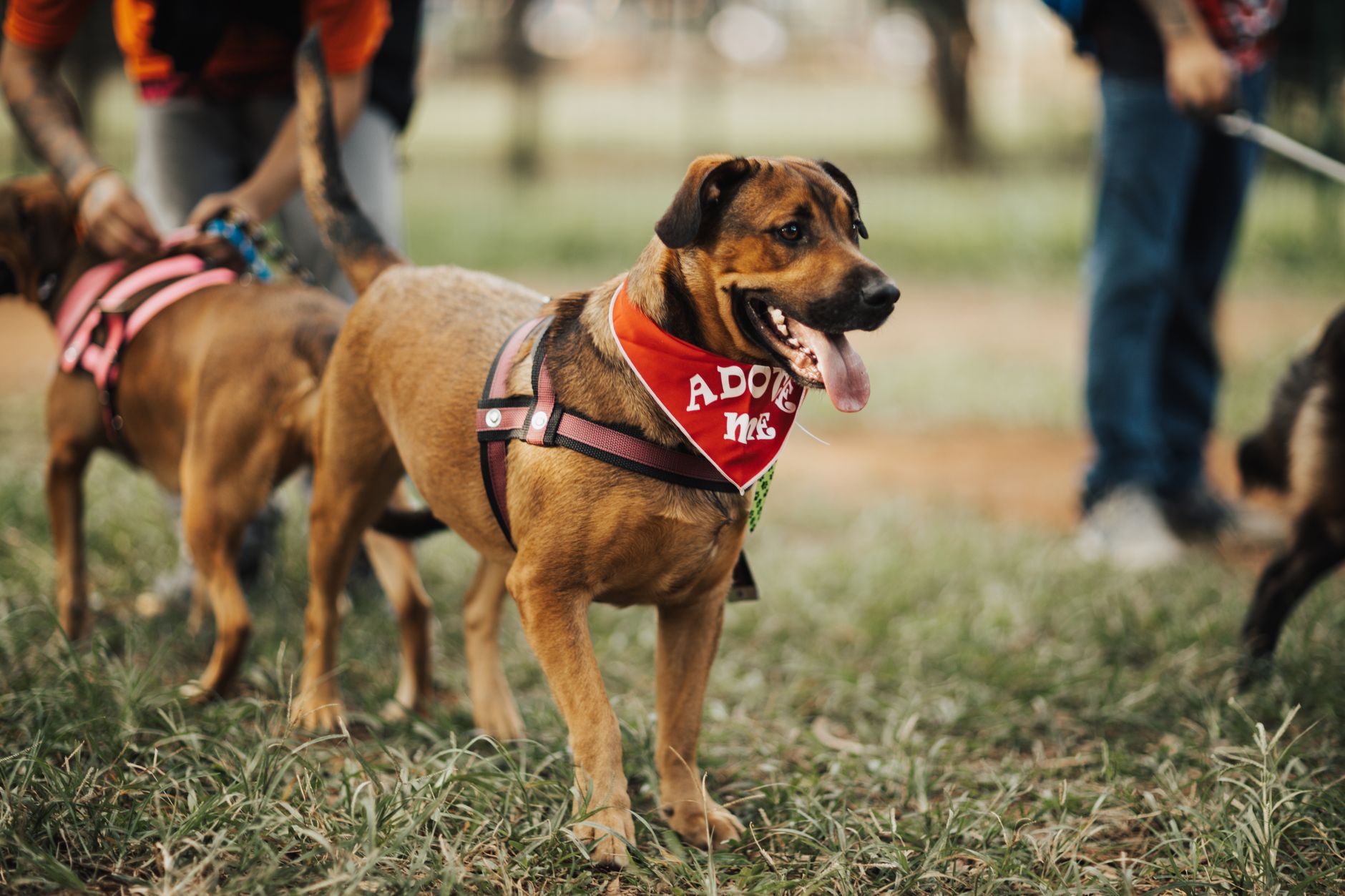
A British couple living in the UAE has quietly built a rehoming network that has taken in and placed more than 50 abandoned dogs and cats, stepping into a gap left by the country’s limited formal animal welfare infrastructure. The couple’s efforts, which rely on a foster-to-adopt model, have grown into one of the more notable community-driven responses to the persistent issue of stray and abandoned animals in the Emirates.
The initiative began as a personal response to the number of dogs and cats left to fend for themselves across the UAE, a problem that animal welfare advocates say is common but rarely addressed through dedicated public shelters or adoption programs. With few established rescue organisations operating at scale in the country, residents who take in strays or abandoned pets often find themselves navigating an informal system, relying on personal networks, social media and word of mouth to find animals permanent homes.
Expats Filling a Welfare Gap
The UAE’s population is overwhelmingly made up of expatriates, and stories such as this reflect a broader pattern in which foreign residents take on informal social and welfare roles that might otherwise fall to public institutions. In the case of animal rescue, the absence of a widespread shelter network has meant that individuals and small community groups frequently become the default responders when pets are abandoned, whether due to relocation, financial hardship or simple neglect.
The British couple’s approach centres on temporary fostering, where animals are cared for in interim housing while the couple works to identify suitable long-term adopters. This “forever home” model, as it has been described, aims to ensure that animals are not simply moved from one uncertain situation to another but are placed with families prepared for permanent ownership. Over time, the scale of the operation has grown substantially, with more than 50 animals having passed through the couple’s care to date.
Attitudes toward stray animals in the Gulf region differ in some respects from those common in the couple’s home country, and animal welfare remains an evolving area of public policy across the GCC. While government-backed initiatives addressing animal control and welfare exist in various forms across the region, dedicated shelter capacity and formal adoption pipelines remain limited relative to the scale of the issue, leaving room for private and community-led efforts to make a visible impact.
The couple’s work has drawn attention as an example of grassroots problem-solving, illustrating how individual residents can address unmet community needs without waiting for formal institutional structures to catch up. For a UAE and wider GCC audience, the story underscores a growing, if still nascent, conversation around animal welfare policy, and the role that residents—both citizens and expatriates—can play in shaping community norms around the treatment of stray and abandoned pets.
As the couple continues its rehoming efforts, the initiative stands as a small-scale but tangible illustration of how everyday residents are stepping in to fill gaps in social infrastructure, a dynamic increasingly visible across sectors in the UAE’s fast-growing, expatriate-majority society.