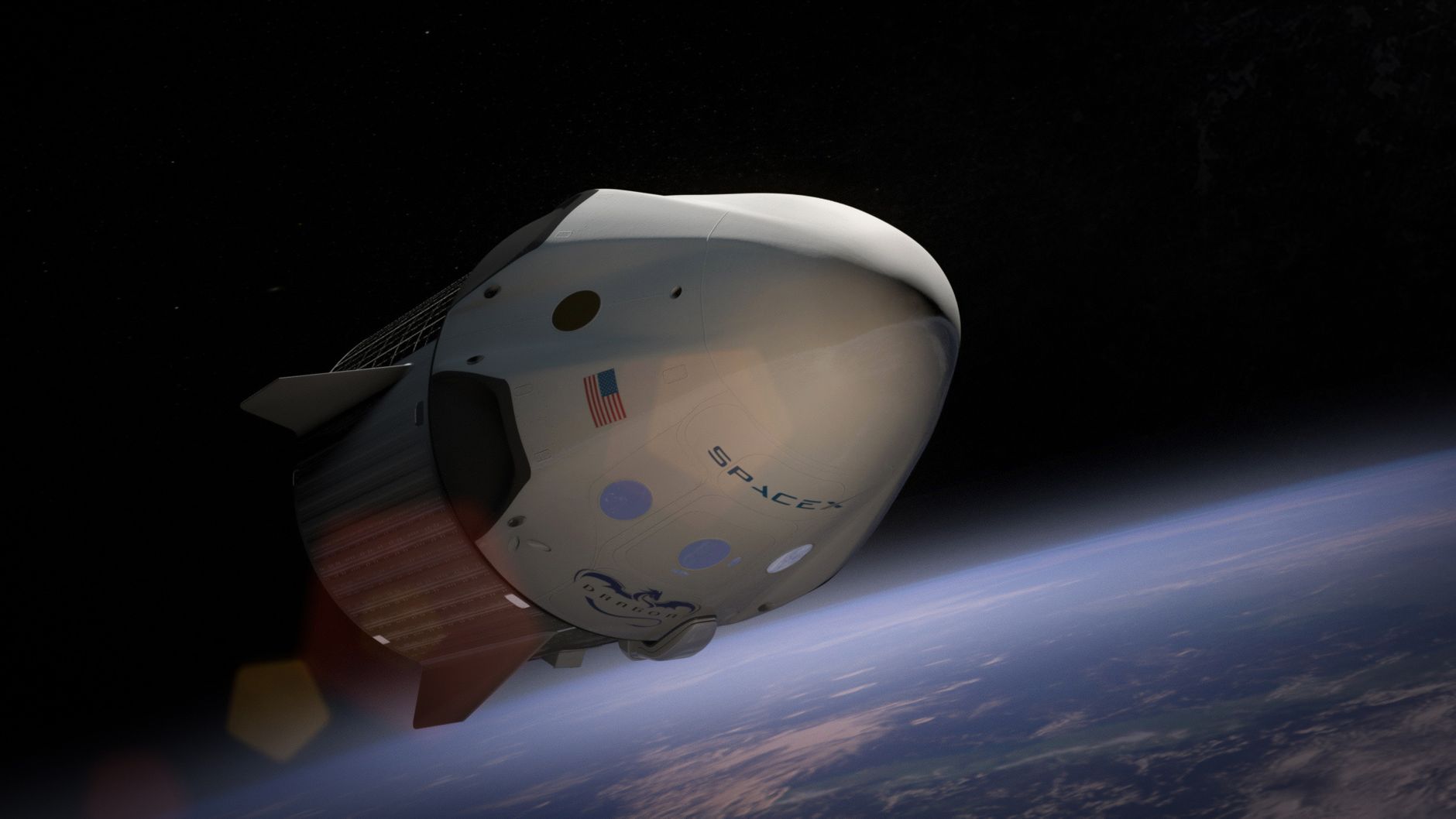
A new analyst assessment suggests that SpaceX’s expanding ambitions in artificial intelligence could drive the company’s valuation into the tens of trillions of dollars by the 2030s, according to a report cited by MarketScale. The projection points to Elon Musk’s space venture increasingly being viewed not merely as a rocket-launch and satellite-internet operator, but as a broader technology company with AI at the center of its long-term growth strategy.
SpaceX has already established itself as the dominant private player in orbital launch services and satellite broadband through its Starlink network. The latest commentary reflects a growing view among some market observers that the company’s future value will be shaped less by launch cadence or satellite counts and more by how effectively it integrates artificial intelligence across its operations, from autonomous spacecraft systems to data processing for its expanding satellite constellation.
The scale of the valuation figures being floated underscores how dramatically expectations around AI-linked companies have shifted in recent years. Private space and technology firms have seen valuations climb sharply as investors bet on convergence between space infrastructure, AI compute, and data services. SpaceX, already one of the most valuable private companies in the world, has been the subject of repeated valuation increases tied to funding rounds and secondary share sales, even before AI was framed as a central growth driver.
Why the Projection Matters for Gulf Investors
The Gulf region has a direct stake in how such projections play out. Sovereign wealth funds across the UAE and wider GCC have steadily increased exposure to space technology, satellite communications, and artificial intelligence as part of broader economic diversification strategies. Abu Dhabi and other regional capitals have positioned themselves as hubs for AI investment, with state-linked entities building portfolios that span cloud computing, semiconductor supply chains, and space infrastructure.
Should valuations for companies like SpaceX rise as sharply as the analyst suggests, it would reinforce the investment thesis already driving Gulf capital toward AI-adjacent space ventures. The UAE has its own national space program and has pursued partnerships with international satellite and launch providers, making developments at a company of SpaceX’s scale relevant to regional strategic planning, even though the UAE does not hold a disclosed stake in the firm.
Analysts covering the space and AI sectors have increasingly argued that the two industries are becoming inseparable, with satellite operators needing AI to manage data volumes from expanding constellations, and AI firms needing space-based infrastructure for connectivity and computing resilience. That convergence is likely to keep attracting interest from Gulf institutional investors, who have shown willingness to commit significant capital to both sectors independently.
The specific methodology behind the tens-of-trillions figure was not detailed in available reporting, and SpaceX has not issued public commentary responding to the projection. The company remains privately held, with its valuation typically set through periodic employee share sales and funding rounds rather than public market pricing, making independent verification of long-term projections difficult.
Market watchers note that such long-range valuation forecasts, particularly those extending into the 2030s, carry inherent uncertainty given the pace of change in both the AI and space sectors. Nonetheless, the projection adds to a growing body of analyst commentary treating SpaceX as a bellwether for how markets price companies operating at the intersection of space infrastructure and artificial intelligence, a category increasingly relevant to Gulf sovereign investment strategy.