
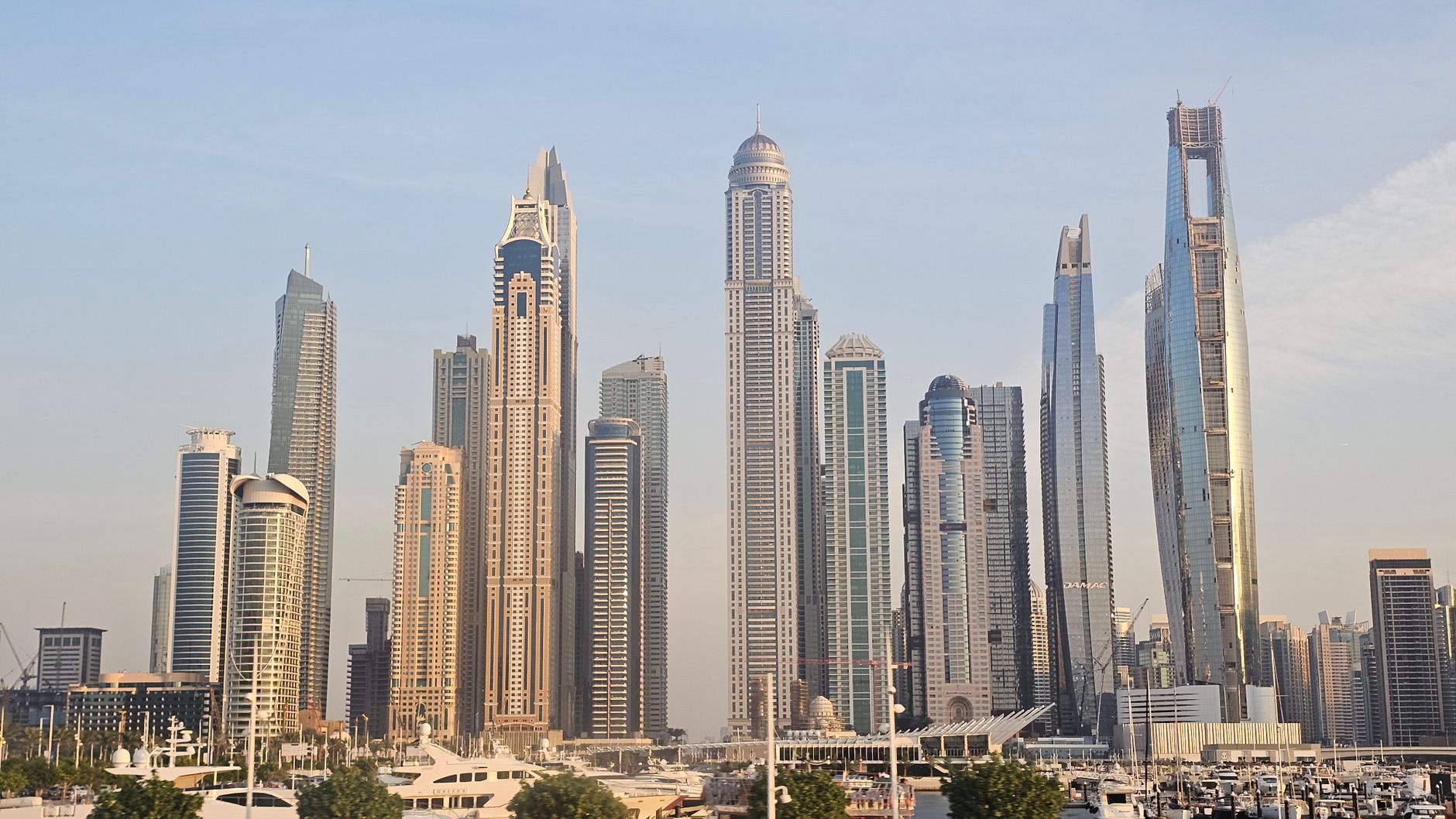
The technology landscape across the United Arab Emirates and the wider Gulf continues to evolve as governments, investors and private companies deepen their commitment to digital transformation. While no single announcement anchors the latest wave of activity, industry observers note that momentum in artificial intelligence, cloud infrastructure, fintech and smart-city initiatives remains a defining feature of the region’s economic diversification efforts.
UAE authorities have repeatedly signalled that technology adoption is central to long-term national strategies aimed at reducing dependence on oil revenues. Free zones dedicated to innovation, along with regulatory sandboxes for emerging sectors such as artificial intelligence and blockchain, have positioned Dubai and Abu Dhabi as testing grounds for solutions that are later scaled across the broader Middle East and North Africa region. This continued institutional support has helped attract international technology firms seeking a regional base, while also encouraging homegrown startups to expand beyond domestic markets.
Why the Gulf Angle Matters for Investors and Residents
For readers across the UAE and GCC, the significance of this ongoing shift lies less in any single headline than in the cumulative effect of sustained investment. Sovereign wealth funds based in the Gulf have been increasingly active participants in global technology financing rounds, giving the region direct exposure to sectors ranging from generative AI to semiconductor supply chains. At the same time, local regulators have moved to update data protection, digital banking and cybersecurity frameworks, changes that carry direct implications for businesses and expatriate professionals operating in the region.
Analysts tracking the broader technology sector note that Gulf markets are increasingly viewed not merely as consumers of innovation developed elsewhere, but as active shapers of global technology policy and investment trends. This shift has been reinforced by large-scale infrastructure commitments, including data centre expansion and renewable-powered computing facilities, which are designed to support the region’s ambitions in artificial intelligence and cloud services.
For residents and businesses in the UAE, the practical implications extend to areas such as digital government services, fintech-enabled banking, and the growing integration of AI tools into everyday commercial operations. As regional governments continue to publish updated digital strategies and investment roadmaps, stakeholders across the Gulf are expected to closely monitor how these commitments translate into tangible infrastructure, regulatory clarity and job creation.
While specific project timelines and financial figures continue to be refined by relevant authorities and private-sector partners, the broader trajectory remains consistent: technology is increasingly treated as a strategic pillar of economic policy across the UAE and GCC, rather than a peripheral consideration. As global technology firms weigh where to expand next, the Gulf’s combination of capital availability, regulatory experimentation and infrastructure investment continues to make it a focal point for future announcements in the sector.





