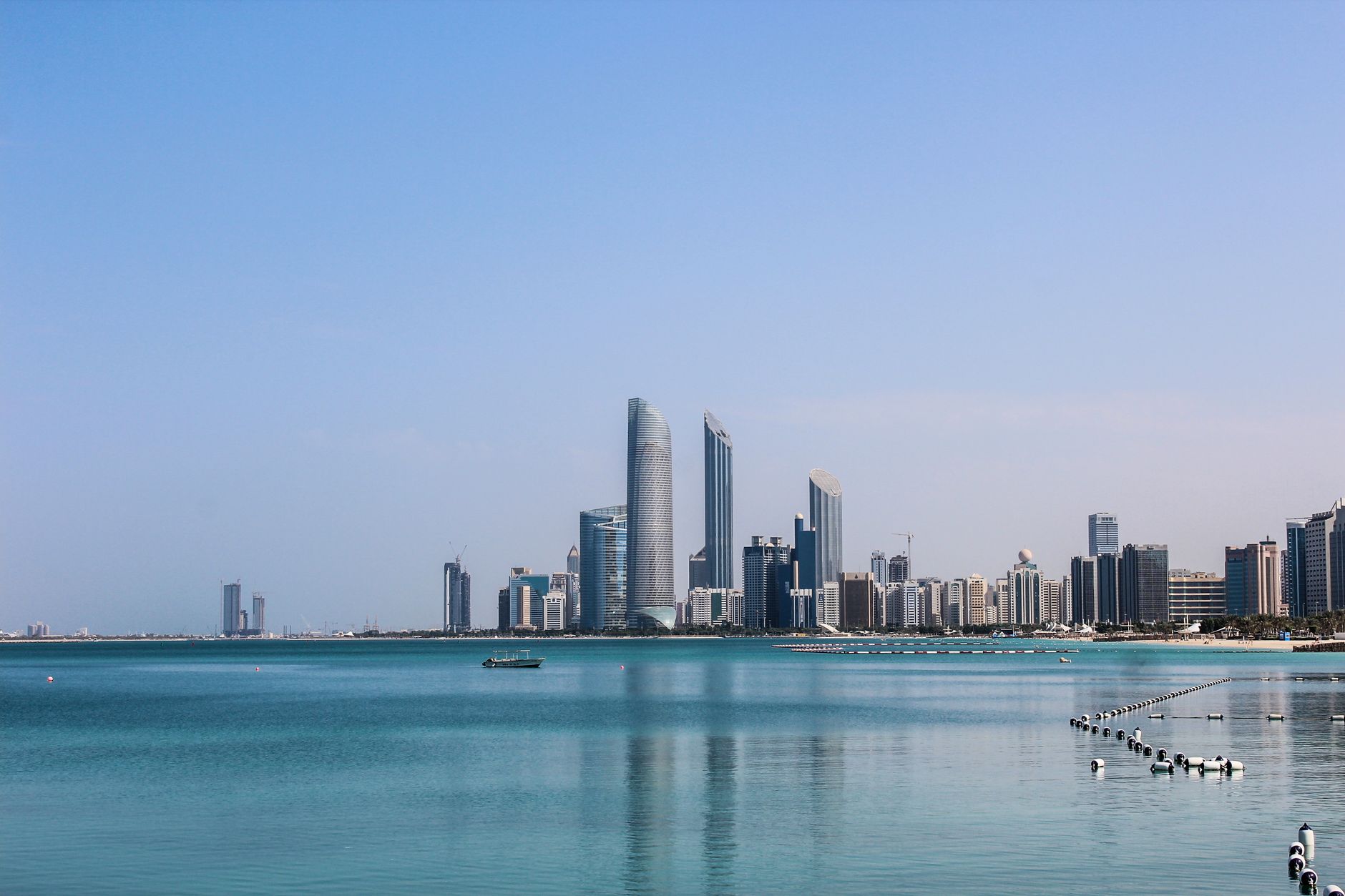
Al Hudayriyat has been named the top-performing location in Abu Dhabi’s residential sales market for the first half of 2026, according to a new market report from IndexBox. The finding places the island community, known for its waterfront developments and recreational infrastructure, ahead of other established investment hotspots in the emirate during the period under review.
The report identifies Al Hudayriyat as the standout performer within a broader review of Abu Dhabi’s property sector, though the underlying figures behind the ranking were not detailed in the available summary. The designation nonetheless signals continued investor confidence in newer master-planned communities on the emirate’s outskirts, an area that has drawn sustained developer attention in recent years amid Abu Dhabi’s push to diversify its residential offering beyond the traditional downtown and Corniche districts.
Abu Dhabi’s property market has been on a broadly upward trajectory since the pandemic recovery period, supported by population growth, an expanding expatriate workforce, and government initiatives aimed at attracting long-term residents and foreign capital. Areas that combine lifestyle amenities, waterfront access, and proximity to leisure and sporting facilities have increasingly outperformed more established but less amenity-rich neighbourhoods, a pattern the latest report appears to reinforce with its assessment of Al Hudayriyat’s performance in H1 2026.
Why the Ranking Matters for Gulf Investors
For UAE-based and wider GCC investors, the report’s findings carry practical significance. Abu Dhabi has positioned itself as a competitive alternative to Dubai for both end-user buyers and international investors, offering comparatively lower entry prices in emerging districts alongside the capital’s political stability and expanding economic base. A location such as Al Hudayriyat rising to the top of sales rankings suggests that capital is increasingly flowing toward newer, lifestyle-oriented developments rather than concentrating solely in legacy prime addresses.
This shift is relevant to regional developers, brokerages, and sovereign-linked real estate entities that have been expanding their footprint in Abu Dhabi’s outer and island communities. It also matters to expatriate residents across the UAE and the wider Gulf who view property acquisition in the emirate as both a lifestyle choice and a long-term investment, particularly as visa reforms and freehold ownership expansions continue to make Abu Dhabi more accessible to foreign buyers.
The report’s timing, covering the first half of 2026, comes as Abu Dhabi continues to compete with Dubai and other GCC markets, including Riyadh and Doha, for regional and international investment. Analysts tracking the UAE property sector have generally pointed to infrastructure investment, tourism growth, and economic diversification under Abu Dhabi’s long-term development plans as key drivers supporting demand in emerging residential zones.
While the full scope of transaction volumes, price movements, and segment-by-segment performance across residential, commercial, and industrial real estate in Abu Dhabi during H1 2026 was not detailed in the available summary, the identification of Al Hudayriyat as the leading sales location offers an early indicator of where buyer interest is concentrating this year. Market participants and prospective investors in the UAE and across the GCC are likely to watch subsequent, more detailed data releases to gauge whether this momentum extends across other emerging communities in the capital.
IndexBox’s periodic reporting on Abu Dhabi’s property sector is closely followed by regional real estate professionals seeking benchmarks against Dubai’s more frequently reported market data, and further details on the H1 2026 performance are expected to inform investment strategies across the UAE property landscape in the coming months.