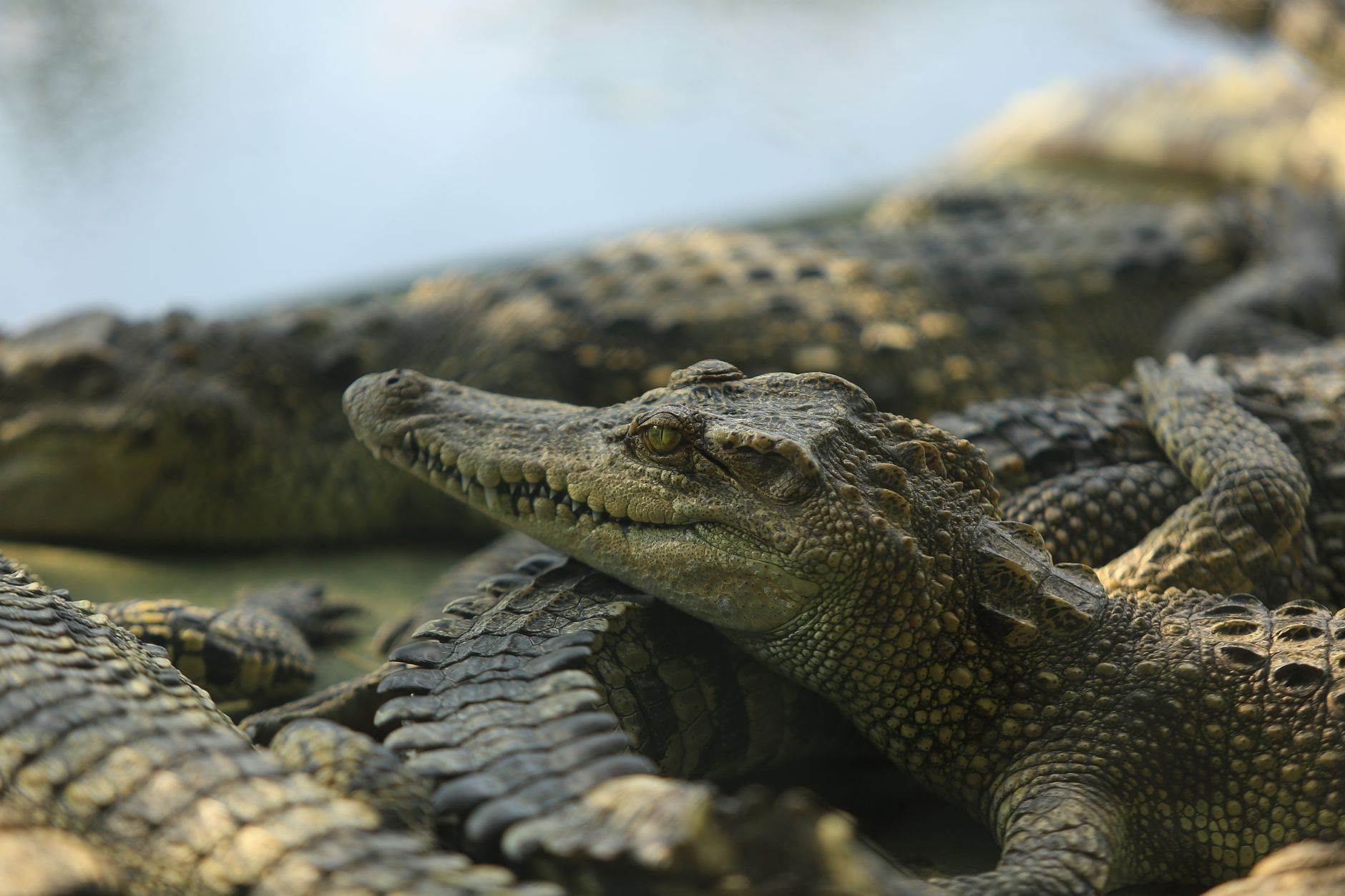
Israeli authorities are weighing a proposal to ring certain prison facilities with moats stocked with Nile crocodiles, a security concept that has drawn comparisons to Florida’s controversial “Alligator Alcatraz” detention centre in the United States. Under the plan, the reptiles would serve as a natural deterrent against escape attempts, reducing reliance on conventional fencing and surveillance infrastructure. What has caught the attention of legal experts and conservationists alike is the administrative classification underpinning the idea: officials are reportedly treating the crocodiles as “cultivated wild animals” rather than protected wildlife, a designation that would exempt the initiative from the stricter oversight normally applied to endangered or regulated species.
That classification is now at the centre of a judicial challenge, as animal rights advocates argue the distinction is being used to sidestep ethical and welfare obligations. Critics contend that housing crocodiles in artificial, high-security moats for the purpose of human incarceration raises questions about the animals’ living conditions, their long-term welfare, and whether such use amounts to instrumentalising a species for a purpose unrelated to conservation or natural habitat. The dispute, first detailed in a report by the Times of India, has since spread across international outlets, drawing attention to how Israel’s regulatory bodies define and manage wildlife within infrastructure projects.
A Test Case for Environmental Governance
Beyond the immediate security rationale, the proposal has exposed what observers describe as a governance gap in Israel’s wildlife protection framework. The core tension lies in the ambiguity between species deemed “protected” and those labelled “cultivated wild animals,” a distinction that appears to carry significant legal weight but lacks consistent, transparent criteria. Environmental policy analysts note that if crocodiles bred or maintained for a security function can be reclassified in this way, it could open the door to similar reclassification of other species for infrastructure, agricultural, or commercial purposes, effectively weakening protections meant to safeguard biodiversity.
The land use dimension adds another layer to the debate. Prison facilities require significant physical footprint, and incorporating crocodile-filled moats would demand specialised habitat management, water systems, and safety buffers, all of which intersect with broader questions about how limited land is allocated between security infrastructure, conservation zones, and public safety concerns. Policymakers are now being pressed to clarify whether such projects should undergo the same environmental review processes applied to other developments that affect protected or semi-protected species.
Legal analysts suggest the outcome of the judiciary’s review could set a precedent well beyond Israel’s borders. Should the courts uphold the “cultivated wild animal” classification, other jurisdictions exploring novel or unconventional security and infrastructure solutions may look to the case as a template for navigating wildlife regulations. Conversely, a ruling that tightens the definition could reinforce stricter global standards for how governments justify the use of live animals in public infrastructure projects.
While the case is rooted in Israeli domestic law, it feeds into a wider global conversation about how emerging security and infrastructure concepts are increasingly testing the boundaries of environmental regulation and animal welfare standards. For readers following the broader innovation landscape, the episode illustrates how unconventional ideas, whether in security, agriculture, or urban planning, often outpace the legal and ethical frameworks meant to govern them, forcing regulators to catch up after the fact rather than anticipate the implications in advance.