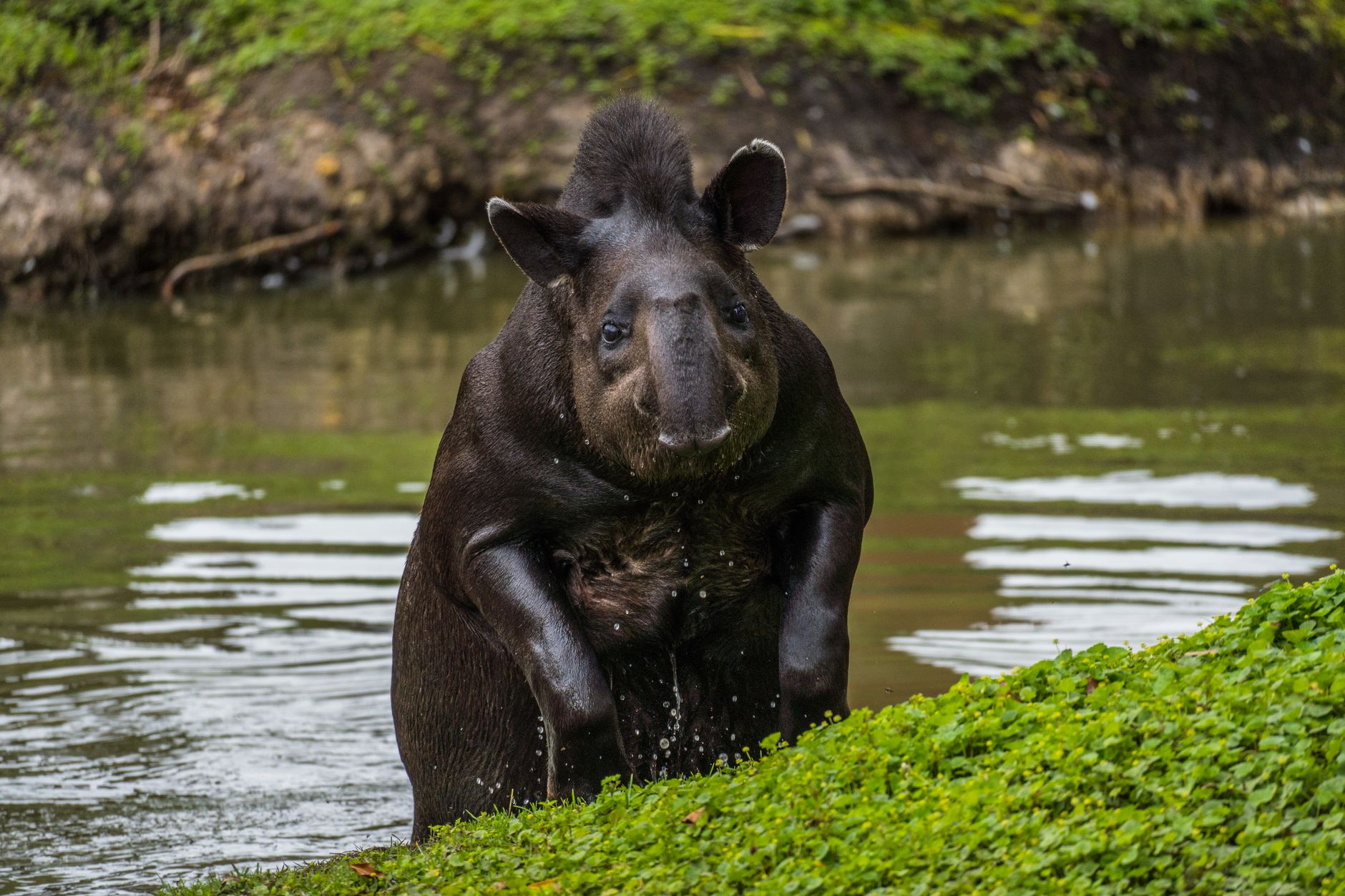
A large-scale ecological restoration effort in Brazil has resulted in the return of tapirs to a stretch of land that had been used for cattle grazing, marking the first confirmed sighting of the species in the area in roughly a century. The development, reported by conservationists tracking the region’s recovery, is being cited as evidence that degraded agricultural land can be returned to a functioning native ecosystem within a matter of years when native tree species are systematically reintroduced.
The land in question had previously been cleared of forest cover to make way for cattle ranching, a practice that has driven deforestation across large parts of Brazil for decades. Restoration work involved replanting native tree species suited to the local biome, gradually rebuilding the forest canopy, understorey vegetation and soil conditions needed to support wildlife. Over time, the regenerating habitat appears to have become suitable again for tapirs, a herbivorous mammal that plays an important ecological role by dispersing seeds across forest landscapes and is often regarded as an indicator species for forest health.
Tapirs are considered sensitive to habitat disturbance and typically avoid degraded or fragmented land, meaning their return signals a meaningful shift in the ecological quality of the restored area. Conservationists view species reappearance of this kind as one of the clearest practical indicators that a restoration project is succeeding, since it reflects tangible changes in food availability, vegetation density and habitat connectivity rather than simply tree-planting totals.
Wider Implications for Land Restoration Efforts
Brazil has for years faced international scrutiny over deforestation linked to agricultural expansion, particularly cattle ranching, which remains one of the leading drivers of forest loss in the Amazon and other biomes such as the Cerrado. Restoration projects that convert former pastureland back into native forest are increasingly being promoted as a way to offset some of that damage, sequester carbon, and rebuild biodiversity corridors that allow wildlife populations to recover and move between fragmented habitats.
The reappearance of a large mammal species after such an extended absence adds to a growing body of examples worldwide showing that ecological restoration is not purely theoretical, but can produce measurable outcomes for wildlife within a human timeframe. It also reinforces arguments made by environmental groups that restoring degraded land, rather than solely protecting untouched forest, is a viable and necessary strategy for reversing biodiversity loss.
For audiences in the UAE and wider Gulf region, the case is relevant against the backdrop of the country’s own investments in land rehabilitation, afforestation and ecosystem restoration, including large-scale mangrove planting programmes and desert greening initiatives that have gained prominence since the UAE hosted the COP28 climate summit. Gulf governments and private investors have shown increasing interest in nature-based solutions as a complement to renewable energy investment and carbon-reduction strategies, and international case studies such as Brazil’s forest recovery are often referenced in regional policy and investment discussions around restoration financing, carbon credits and biodiversity targets.
While the scale, timeline and precise methodology of the Brazilian project have not been fully detailed in available reporting, the underlying trend it represents, the recovery of native species following sustained tree restoration, is consistent with restoration outcomes documented elsewhere and is likely to draw further attention from conservation groups and land-management authorities monitoring the long-term effectiveness of reforestation as a climate and biodiversity tool.