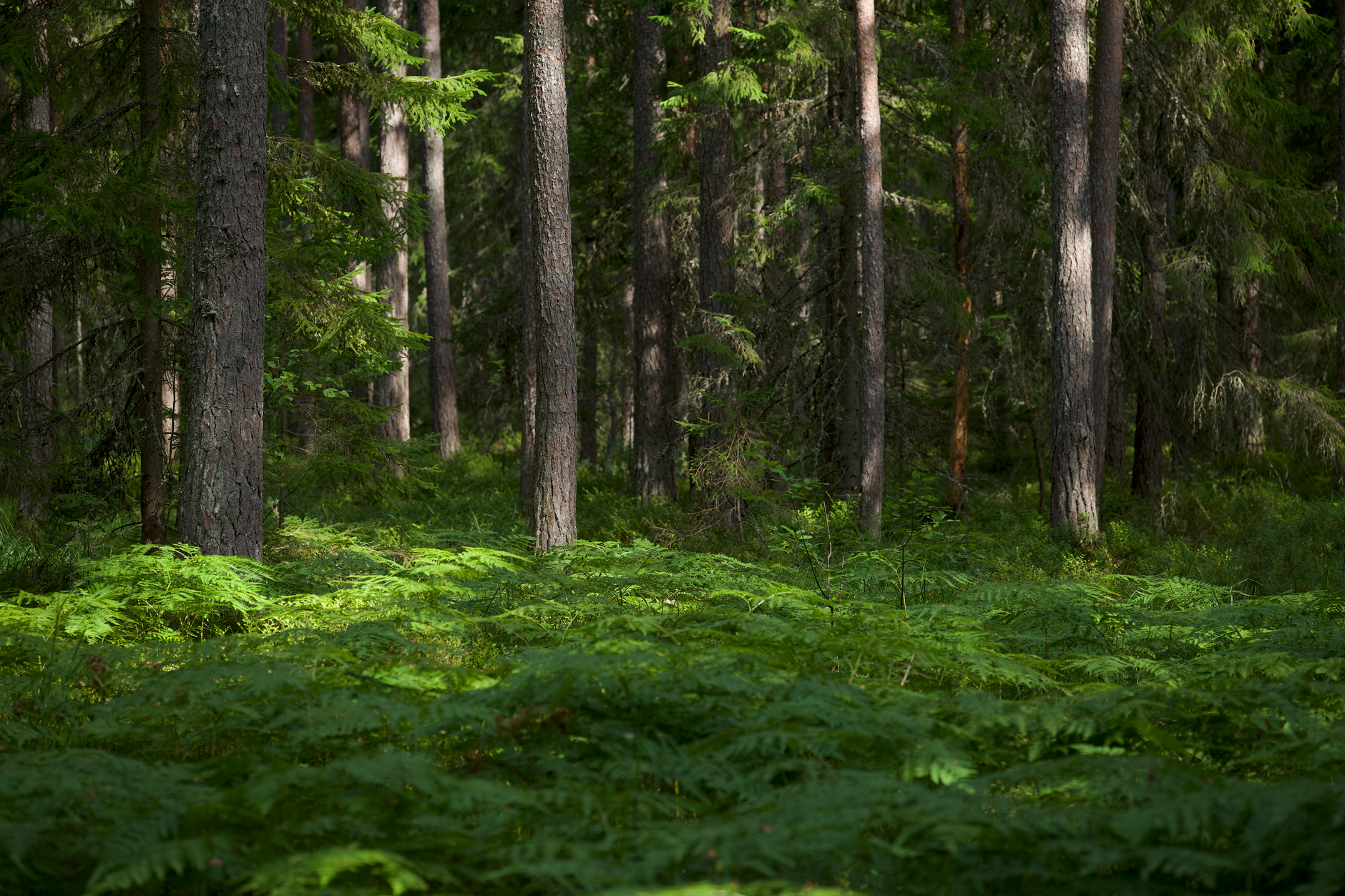
Tree species native to Minnesota have shown a genetic capacity to withstand warming of up to 3.4 degrees Celsius above historical norms, according to new research examining how forest ecosystems respond to rising temperatures. The study found that this adaptive trait could reduce the amount of carbon dioxide expected to be released from these ecosystems by as much as 80 percent compared with earlier projections that assumed trees would struggle or die off under such warming.
Researchers behind the findings say the results point to a natural selection process already underway in the state’s forests, where generations of trees have developed physiological and genetic traits that allow them to survive, grow and continue sequestering carbon even as average temperatures climb well beyond the range in which the species evolved. Rather than collapsing under heat stress, as many climate models have predicted, the trees studied appear to be adjusting their internal processes to cope with the new conditions while maintaining their role as carbon sinks.
The implications, if confirmed across broader forest systems, could be significant for global climate modeling. Many current projections of future atmospheric carbon dioxide levels assume that forests will become less effective at storing carbon as temperatures rise, either because trees die from heat stress or because warmer conditions accelerate the decomposition of organic matter in soil, releasing stored carbon back into the atmosphere. If species elsewhere carry similar latent adaptive capacity, the trajectory of carbon buildup in the atmosphere could look markedly different from what current models suggest.
Limited Direct Relevance to Gulf Ecosystems, But Wider Climate Stakes
The study’s direct applicability to the UAE and the wider Gulf region is limited. Minnesota’s temperate forest ecosystem bears little resemblance to the arid and hyper-arid conditions found across the Arabian Peninsula, where native flora such as ghaf trees, acacia species and mangroves face entirely different stressors, including extreme heat, low and erratic rainfall, high soil salinity and water scarcity. Adaptation strategies for desert and coastal vegetation in the Gulf are shaped by these conditions and cannot be inferred from research on cold-climate hardwoods and conifers.
Nonetheless, the broader findings feed into a global conversation about climate resilience and carbon accounting that has relevance for the UAE, which has positioned itself as a hub for climate diplomacy following its hosting of the COP28 summit in 2023. Revisions to global carbon projections, whether upward or downward, can influence international climate finance flows, carbon credit markets and the design of adaptation and mitigation strategies that Gulf governments and companies increasingly participate in, including through sovereign investment in forestry and land-restoration projects abroad.
The research also underscores a point often raised by scientists working on desert ecology in the region: that findings from temperate ecosystems do not transfer automatically to arid environments, reinforcing the case for dedicated regional studies into how native Gulf vegetation, mangrove forests and rangelands might respond genetically or physiologically to prolonged heat and water stress. Such studies remain comparatively limited given the smaller scale of forested land in the Gulf compared with carbon-dense biomes elsewhere.
For now, the Minnesota findings stand as a case study in how natural ecosystems may be more adaptable to warming than previously assumed, a possibility that could reshape long-term climate forecasts even as it leaves open questions about whether similar resilience exists in the fundamentally different desert ecosystems of the UAE and its neighbors.