
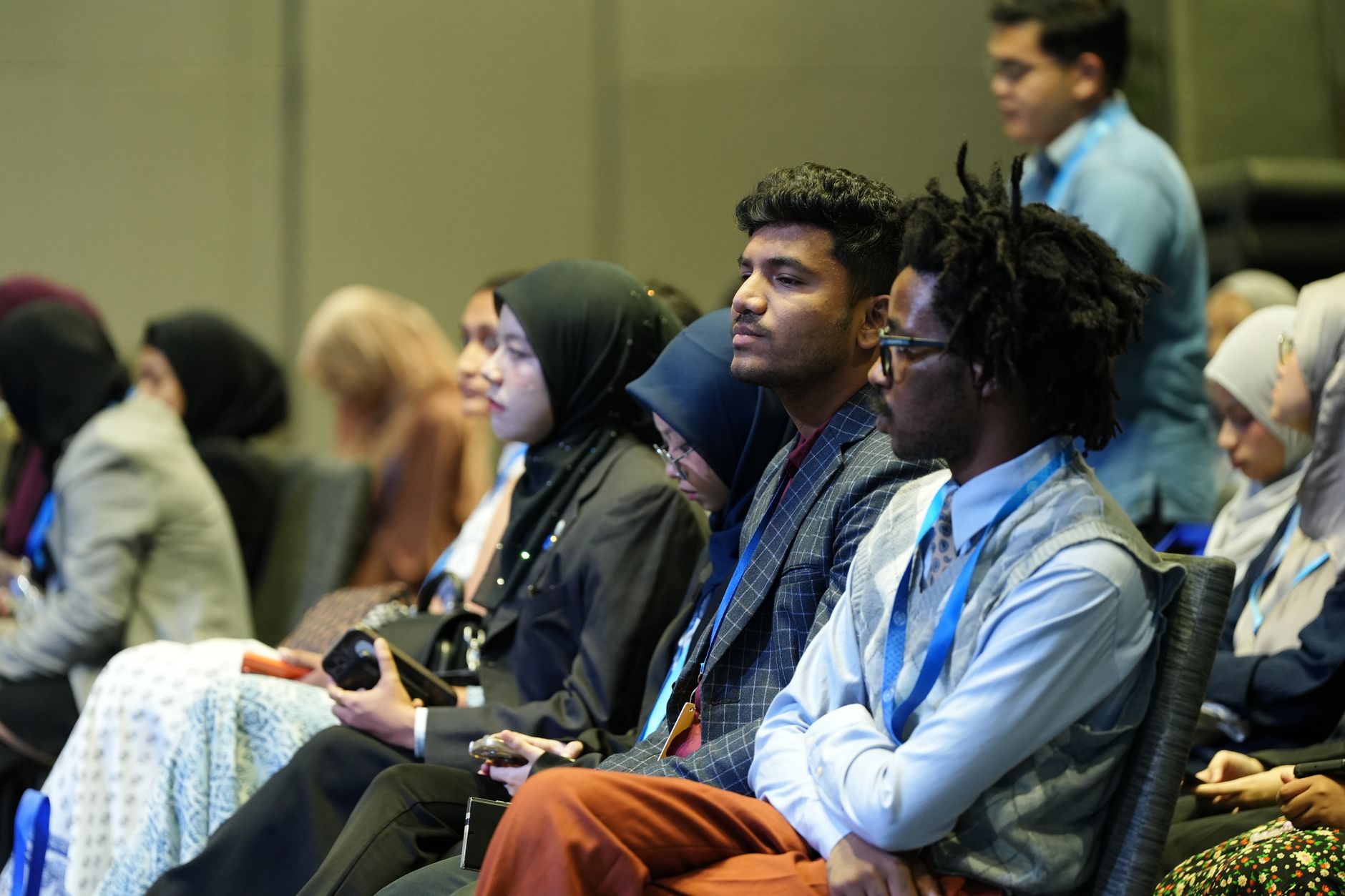
Representatives from the Middle East and North Africa’s fashion sector are preparing to take part in the BRICS+ Fashion Summit, joining designers, retailers and industry bodies from across the bloc’s member and partner nations for a gathering that has increasingly positioned itself as a platform for trade and cultural exchange outside traditional Western fashion capitals. The summit has emerged in recent years as a venue where emerging-market fashion economies compare notes on manufacturing, branding and cross-border commerce, and the participation of MENA figures signals the region’s intent to deepen its footprint in that conversation.
The event brings together stakeholders from countries with fast-growing textile, apparel and luxury retail sectors, many of which see the summit as a chance to showcase local design talent to buyers and investors who might not otherwise engage with their markets. For MENA participants, attendance offers a route to visibility among BRICS+ economies at a time when trade corridors between the Gulf, Asia and other emerging markets are expanding beyond energy and commodities into consumer goods, retail and creative industries.
Wider Economic and Regional Stakes
Fashion and textiles have become a notable component of diversification strategies across several Gulf states, where governments have pushed to build retail, manufacturing and design ecosystems that reduce reliance on oil revenue. The UAE in particular has cultivated Dubai and Abu Dhabi as regional hubs for fashion retail, e-commerce and events, making any MENA delegation’s engagement with a BRICS+-aligned summit relevant to businesses and investors tracking how Gulf firms position themselves within alternative trade networks. Such gatherings also feed into the broader economy picture for the region, as fashion and retail activity increasingly intersect with logistics, manufacturing partnerships and consumer spending trends that Gulf policymakers are keen to monitor.
Analysts who follow emerging-market trade patterns note that summits of this kind can serve as low-cost entry points for companies seeking new export markets or sourcing relationships, particularly as supply chains diversify away from single-region dependencies. For MENA fashion houses and industry associations, the BRICS+ platform offers exposure to markets in Asia, Africa and Latin America that may otherwise require more resource-intensive outreach.
Full details of the delegation’s composition, the summit’s agenda and any specific outcomes expected from the sessions have not been disclosed publicly, according to a report first carried by MENA Fashion Industry Representatives Set to Attend BRICS+ Fashion Summit, which confirmed the region’s representatives are set to attend. Organizers of the summit have historically used the event to facilitate networking between designers, manufacturers and retail buyers, alongside panel discussions on industry trends and market access.
For businesses and observers across the UAE and wider Gulf, the development is likely to be watched as part of a broader pattern of regional engagement with BRICS+ economies, which have collectively sought to strengthen trade ties in sectors ranging from finance and energy to consumer industries such as fashion and retail. Whether the summit yields concrete partnerships or investment commitments involving MENA firms remains to be seen, but the participation itself underscores the region’s ambition to be an active player in shaping emerging-market fashion trade rather than a passive observer of it.



