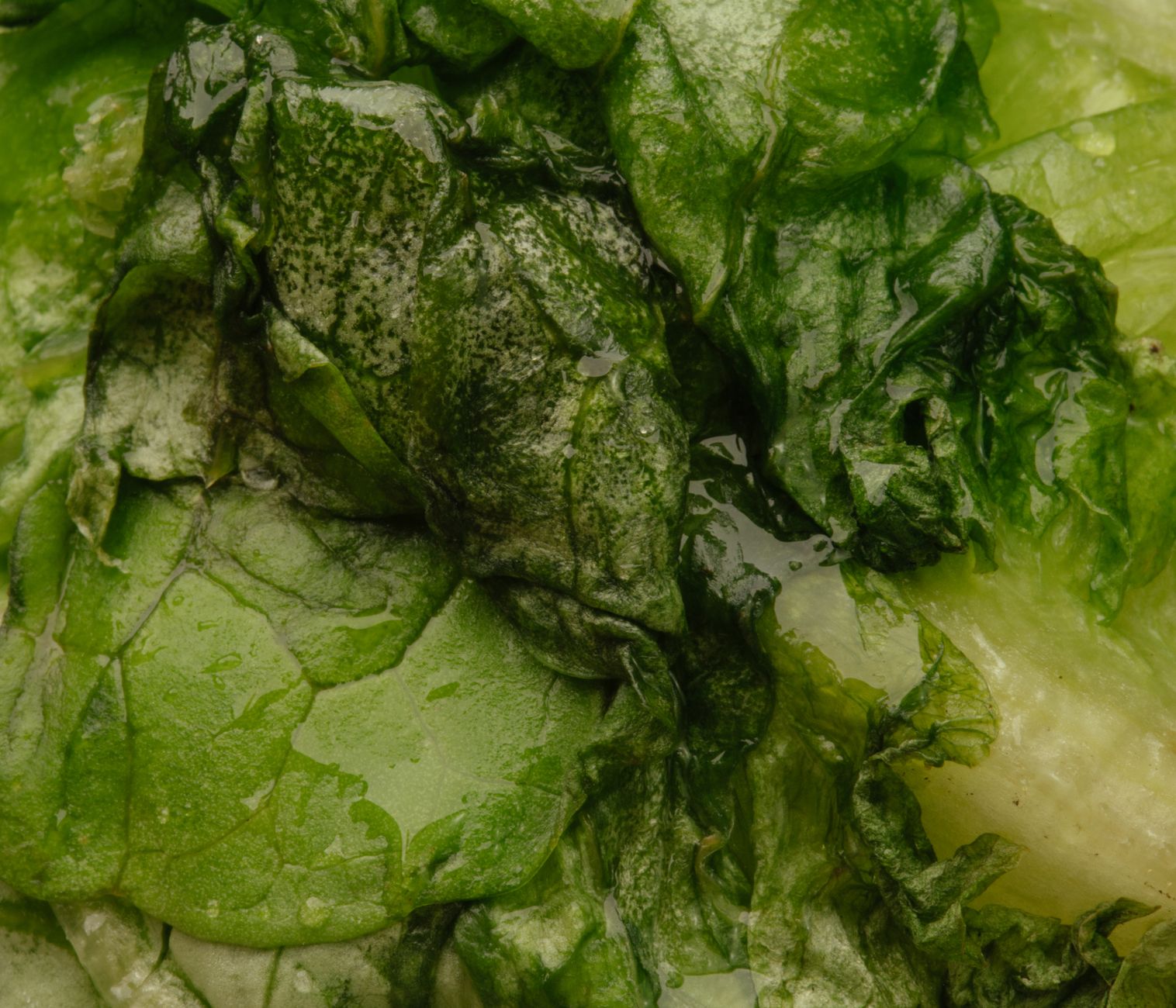
The U.S. Centers for Disease Control and Prevention has declared an end to the country’s largest-ever recorded outbreak of cyclosporiasis, a parasitic gastrointestinal illness that sickened more than 12,000 people nationwide. Health officials traced the source of the outbreak to shredded iceberg lettuce supplied by Taylor Farms, one of the largest vegetable processors in the United States, whose products are widely distributed to restaurants, food service operators and retailers across the country.
Cyclosporiasis is caused by a microscopic parasite typically spread through food or water contaminated with fecal matter. Symptoms usually include watery diarrhea, cramping, fatigue and loss of appetite, and the illness can persist for weeks if untreated. Outbreaks tied to fresh produce, particularly leafy greens and herbs, have become a recurring public health concern in North America, prompting closer scrutiny of supply chains from farm to retail shelf.
The scale of this year’s outbreak, the largest since U.S. authorities began systematically tracking the illness, has renewed attention on the vulnerabilities of fresh produce supply chains, where contamination at a single processing facility can ripple across thousands of retail and food service locations before it is detected. As reported by CNBC in the article Record U.S. cyclosporiasis outbreak is over, CDC says, investigators worked to pinpoint the shredded lettuce as the common link among the thousands of reported cases before the CDC formally closed out the investigation.
Why the Outbreak Matters Beyond U.S. Borders
Although the outbreak has been contained within the United States, the episode carries indirect relevance for the Gulf, where food security remains a policy priority given the region’s heavy dependence on imported fresh produce. The UAE and other GCC states import substantial volumes of vegetables, including leafy greens, from North American and other overseas suppliers to meet year-round demand in a climate unsuited to large-scale year-round outdoor cultivation. Any large-scale contamination event at a major exporter, even one resolved domestically, is a reminder to regional importers and regulators of the importance of robust traceability and inspection protocols at the point of origin.
Gulf food safety authorities, including the UAE’s Ministry of Climate Change and Environment and municipal food control departments in Dubai and Abu Dhabi, routinely monitor international outbreak alerts and adjust import inspections accordingly. Incidents such as the Taylor Farms-linked outbreak often prompt exporters and their international buyers to strengthen documentation standards, batch testing and cold-chain oversight, measures that can indirectly benefit markets that rely on the same suppliers, even when no direct contamination has been reported locally.
For companies operating across the region’s food and agriculture sector, episodes like this also feed into a broader conversation, tracked closely in the business pages, about supply chain resilience, diversification of sourcing and the rising cost of compliance for producers seeking to serve international markets. As GCC economies continue to expand trade partnerships and diversify food import sources beyond traditional suppliers, the reliability of food safety systems abroad becomes an increasingly relevant factor in procurement decisions made by regional distributors and retailers.
The CDC has not indicated any additional cases linked to the outbreak strain since its formal closure, and health officials continue to encourage consumers and food handlers to follow standard produce washing and handling guidance as a precaution against future incidents.