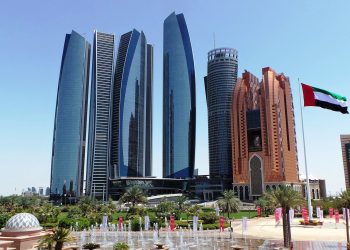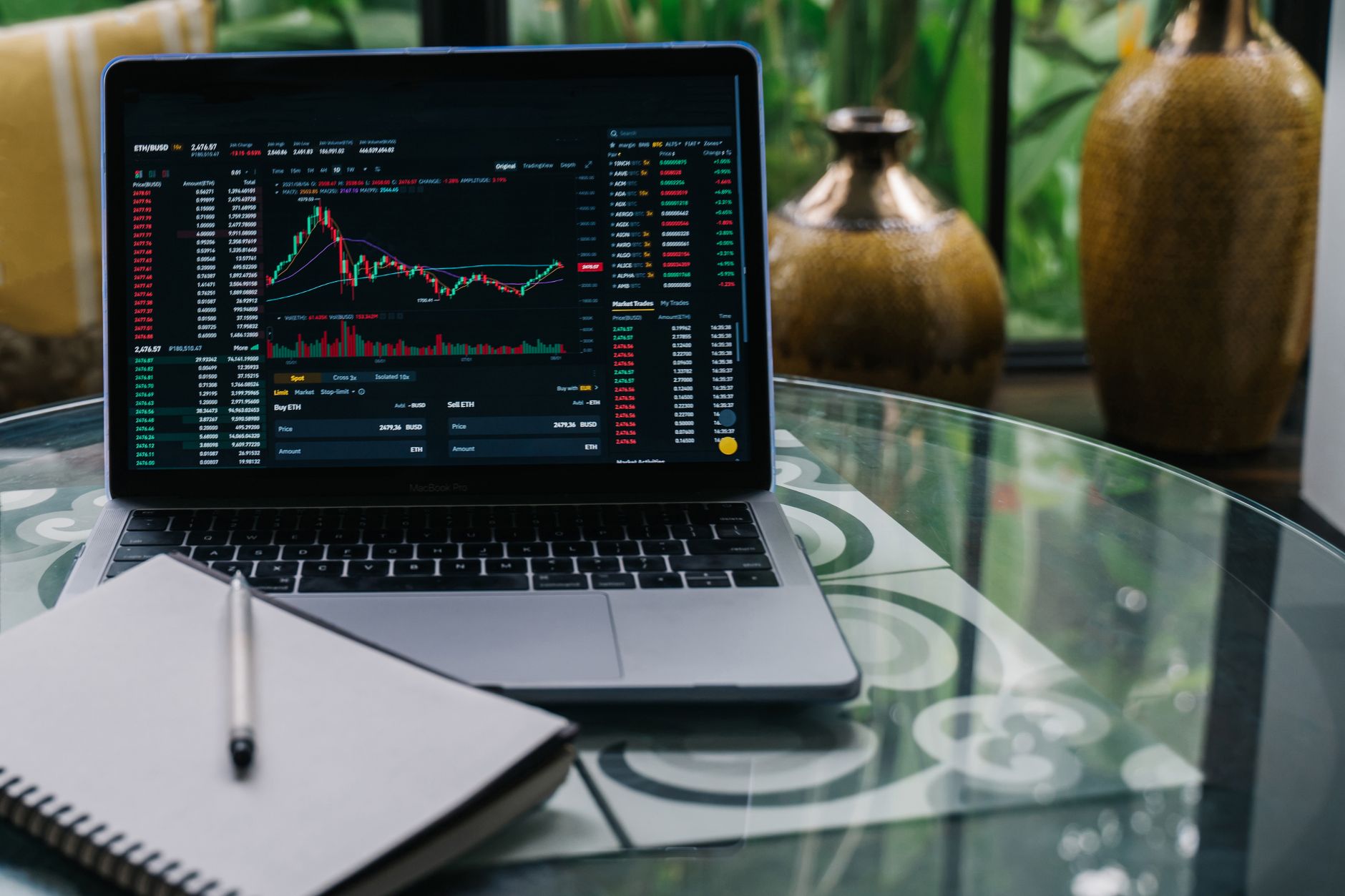
Investment activity across the United Arab Emirates and the wider Gulf Cooperation Council region continues to draw attention from global capital markets, as sovereign wealth funds, private investors and institutional players reassess strategies amid shifting economic conditions. While no single announcement dominates the current news cycle, the broader trajectory of Gulf investment remains a focal point for analysts tracking diversification efforts away from hydrocarbon-dependent revenue streams.
The UAE, alongside Saudi Arabia, Qatar and other GCC states, has spent recent years building out non-oil sectors including technology, renewable energy, logistics, tourism and financial services. This push has been driven in part by national economic diversification programs designed to reduce reliance on oil and gas exports and to position the region as a competitive destination for foreign direct investment.
Regional sovereign wealth vehicles, including those based in Abu Dhabi and other Gulf capitals, have historically played an outsized role in shaping global investment flows, deploying capital into sectors ranging from infrastructure to emerging technology. These funds are often cited by market observers as bellwethers for broader institutional sentiment, given their scale and long-term investment horizons.
Why It Matters for UAE and GCC Stakeholders
For investors based in the UAE and across the Gulf, the continued evolution of the regional investment environment carries direct implications. Local businesses, financial institutions and individual investors monitor these trends closely, as shifts in capital allocation can affect everything from real estate valuations in Dubai and Abu Dhabi to liquidity conditions in regional equity markets.
Expats and residents in the UAE, many of whom participate in regional investment products or maintain exposure through employer-linked savings schemes, also have a stake in how Gulf economies manage diversification and attract new capital. A stable and expanding investment ecosystem tends to support broader economic activity, including employment growth in finance, technology and professional services sectors that employ a significant share of the UAE’s expatriate workforce.
Analysts note that the UAE’s positioning as a regional financial hub, supported by free zones, regulatory frameworks and infrastructure investment, continues to influence how international investors view the broader GCC. Dubai and Abu Dhabi in particular have sought to strengthen their standing as gateways for capital moving between Asia, Europe and Africa, leveraging geographic location and established financial infrastructure.
At the same time, global macroeconomic conditions, including interest rate policy in major economies and commodity price movements, continue to shape how much capital flows into and out of Gulf markets. Regional policymakers have repeatedly emphasized the importance of maintaining investor confidence through regulatory clarity and continued infrastructure development.
As the UAE and its neighbors pursue long-term economic visions extending toward the coming decades, investment flows into non-oil sectors are expected to remain a closely watched indicator of progress. Market participants in the region will likely continue monitoring policy announcements, sovereign fund activity and corporate investment decisions for signals about the pace and direction of this transformation.
TAI News will continue to track developments in the UAE and GCC investment landscape as further details and specific transactions emerge, providing readers with updates on how these shifts affect businesses, investors and residents across the region.