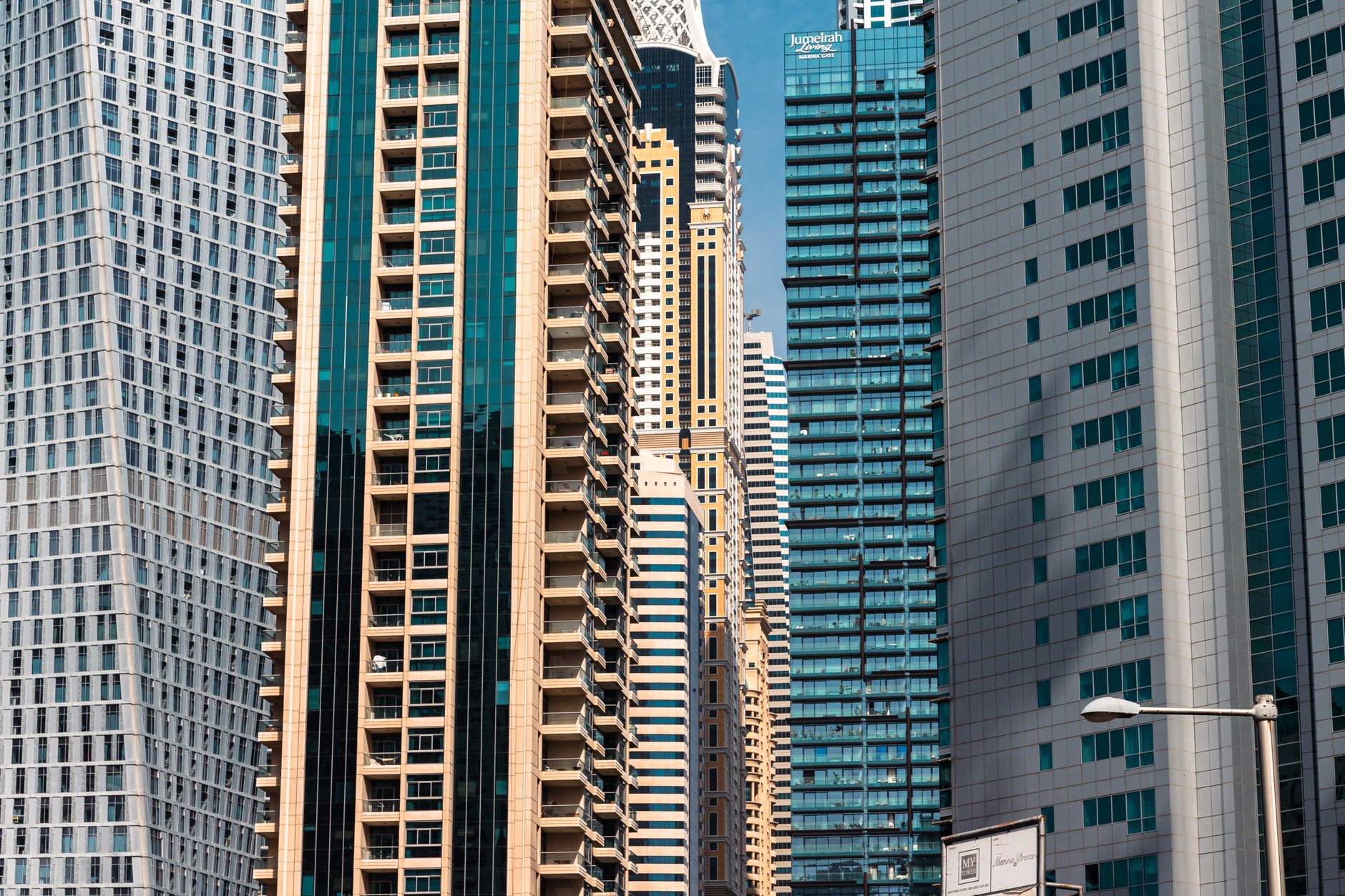
Investment activity across the UAE and wider Gulf continues to draw close attention from analysts and market participants, as the region maintains its position as a hub for capital seeking diversification away from traditional Western markets. While specific transaction details for the latest developments were not immediately available, the broader pattern reflects sustained interest from both institutional and private investors in sectors ranging from real estate and infrastructure to technology and renewable energy.
Market observers note that the UAE, and Dubai and Abu Dhabi in particular, have positioned themselves as gateways for capital moving between Asia, Europe and Africa. This strategic role has been reinforced by government initiatives aimed at easing business regulations, expanding free zones, and offering incentives to attract foreign direct investment. Sovereign wealth funds based in the Gulf, including those in Abu Dhabi, Saudi Arabia and Qatar, have also remained active participants in global markets, deploying capital into a wide range of asset classes as part of long-term economic diversification strategies tied to national visions such as the UAE’s own economic diversification agenda away from hydrocarbon dependence.
Why It Matters for GCC Investors
For UAE-based and Gulf investors, the continued flow of capital into and out of the region carries direct implications. Local investors benefit from a deepening ecosystem of financial products, exchanges, and investment vehicles that allow easier access to both regional and international opportunities. At the same time, expatriates and residents in the UAE, who form a significant share of the population, are increasingly exposed to investment decisions made by sovereign funds and private institutions that shape employment trends, real estate values and the broader cost of living.
Analysts covering the Gulf region have repeatedly pointed to the importance of transparency and regulatory clarity in sustaining investor confidence. The UAE’s regulatory bodies, including the Securities and Commodities Authority and free zone authorities such as the Dubai International Financial Centre and Abu Dhabi Global Market, have worked to align local frameworks with international standards, a factor that continues to be cited as central to attracting long-term institutional capital.
Global economic conditions, including interest rate trajectories set by major central banks and shifts in energy prices, remain key variables influencing investment sentiment in the region. Given the UAE’s continued reliance on energy exports alongside its diversification push, fluctuations in oil markets remain a factor that investors and policymakers alike continue to monitor closely.
As the region moves further into a period of economic transformation, stakeholders across the GCC are expected to continue prioritizing sectors aligned with national development plans, including technology, logistics, tourism and sustainable energy. For UAE and GCC-based investors, staying attuned to these evolving priorities remains essential in navigating both opportunities and risks in an increasingly interconnected global investment landscape.
TAI News will continue to monitor developments in this area and provide updates as further details become available.