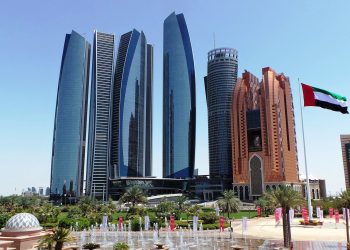
The United Arab Emirates remains a focal point for international investors seeking exposure to the Gulf region, as the country’s diversified economy and stable regulatory environment continue to attract capital across multiple sectors. Business leaders and analysts tracking capital flows into the Middle East point to the UAE’s positioning as a gateway between East and West, along with its expanding non-oil economy, as key factors sustaining investor interest.
Abu Dhabi and Dubai have each pursued distinct but complementary strategies to broaden their economic bases beyond hydrocarbons, with technology, financial services, tourism, logistics and renewable energy emerging as priority areas for both public and private investment. Sovereign wealth vehicles based in the Emirates have also maintained an active presence in global markets, allocating capital to sectors ranging from infrastructure to emerging technology ventures, reinforcing the country’s role as a significant source of outbound investment as well as a destination for inbound capital.
Diversification Efforts Reshape the Investment Narrative
Regulatory reforms introduced in recent years, including changes to foreign ownership rules and the establishment of specialised free zones, have been widely credited with making it easier for international firms to establish a presence in the UAE. These measures form part of a broader push by policymakers across the Gulf Cooperation Council to reduce dependence on oil revenues and build knowledge-based economies capable of competing globally in finance, technology and innovation.
For investors across the GCC and beyond, the UAE’s approach offers a case study in how a resource-rich economy can pursue structural diversification while maintaining macroeconomic stability. Analysts note that continued investment in infrastructure, digital transformation and human capital will likely remain central themes as the country works toward its longer-term economic diversification goals.
The broader Gulf region has similarly stepped up efforts to attract foreign direct investment, with several neighbouring states advancing their own national development plans aimed at reducing reliance on oil exports. This has created a more competitive environment among GCC economies, each seeking to position itself as the preferred hub for regional headquarters, financial services and emerging industries such as artificial intelligence and clean energy.
For UAE-based investors, expatriates and businesses monitoring the region’s economic trajectory, these developments carry direct relevance. Continued reforms and diversification initiatives are widely seen as factors that could shape job creation, property markets, and the broader cost and quality of living across the Emirates in the years ahead. As global capital continues to seek stable, well-regulated markets amid ongoing economic uncertainty elsewhere, the UAE’s trajectory as an investment destination is likely to remain a closely watched indicator for the wider Gulf economy.