
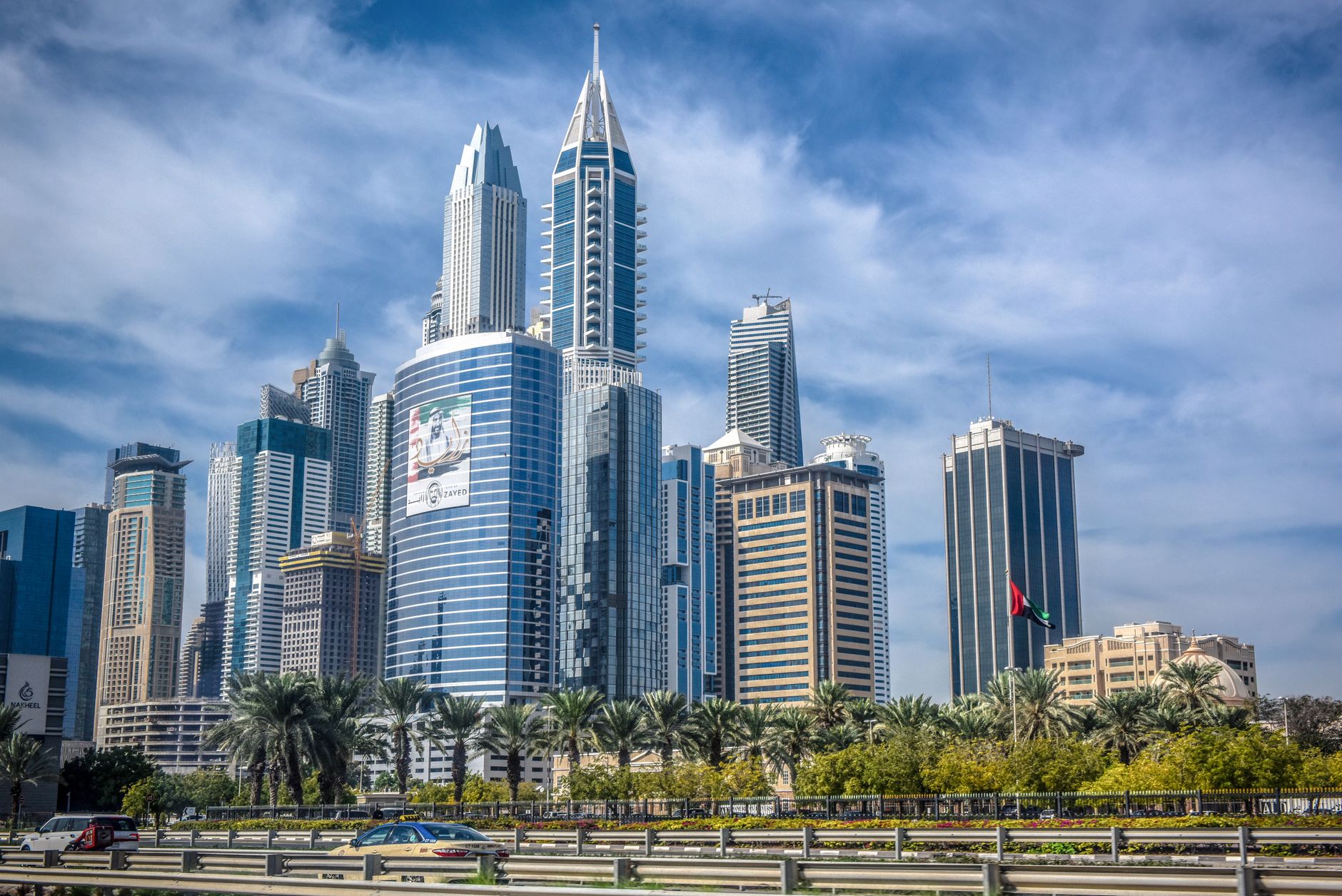
The UAE and its Gulf neighbours continue to navigate a global economic landscape marked by shifting monetary policy, volatile energy markets and an accelerating push toward diversification away from hydrocarbons. Policymakers across the region have repeatedly signalled that non-oil growth, foreign investment inflows and structural reform remain central to economic planning as the world’s major central banks recalibrate interest rate policy in response to inflation and growth concerns.
For businesses and investors in the UAE and wider GCC, developments in global markets are closely watched given the region’s deep integration with international trade, energy and capital flows. Analysts note that decisions taken by major economies on interest rates, trade policy and industrial strategy tend to ripple quickly through Gulf markets, affecting everything from sovereign wealth fund allocations to the cost of financing for local corporates and government-backed entities.
Diversification Efforts Take Centre Stage
The UAE has positioned itself as a regional leader in reducing reliance on oil revenue, expanding sectors such as technology, tourism, logistics, renewable energy and financial services. Free zones, streamlined licensing regimes and visa reforms have been cited by officials as part of a broader strategy to attract foreign direct investment and skilled talent to Abu Dhabi, Dubai and other emirates.
Other GCC states, including Saudi Arabia and Qatar, have pursued parallel diversification agendas under national transformation programmes, with large-scale infrastructure projects, sovereign wealth fund investments and public-private partnerships forming key pillars of their long-term economic roadmaps. Regional governments have also emphasised the importance of building resilient supply chains and deepening intra-GCC trade as a buffer against external shocks.
Economists in the region continue to stress that while oil and gas remain significant contributors to fiscal revenue, non-oil sectors are increasingly viewed as the primary engine of sustainable growth. This shift has implications for employment patterns, private sector participation and the broader business environment across the UAE and its neighbours.
Global Headwinds and Regional Resilience
Globally, uncertainty around inflation trajectories, geopolitical tensions and fluctuating energy prices has kept investors cautious, prompting many to look to the Gulf as a relatively stable destination for capital. The UAE, in particular, has benefited from its reputation as a safe haven for wealth and business activity amid instability elsewhere, drawing interest from multinational firms, family offices and institutional investors seeking exposure to a diversified, forward-looking economy.
At the same time, Gulf policymakers have acknowledged the need to remain vigilant about external risks, including the pace of monetary tightening in major economies, potential slowdowns in global trade, and the long-term trajectory of energy demand as the world transitions toward cleaner sources of power. Regional currency pegs to the US dollar mean that decisions taken by the US Federal Reserve continue to have a direct bearing on borrowing costs and liquidity conditions across the GCC.
Industry observers suggest that the coming period will be shaped by how effectively Gulf economies balance continued investment in mega-projects and infrastructure with prudent fiscal management, particularly as governments weigh spending commitments against revenue volatility tied to global commodity markets.
For UAE and wider GCC stakeholders, the broader takeaway is one of cautious optimism: while global economic conditions remain unsettled, the region’s ongoing diversification push, coupled with efforts to strengthen investor confidence and regulatory transparency, is widely seen as positioning the Gulf to withstand external pressures better than in previous economic cycles. Market participants say further clarity on global monetary policy and energy price trends in the months ahead will be key factors shaping regional economic performance.





